In this article, we’ll explore: BcozSheMatters: WHO Health Ministry roll out campaign on women and girls health and well-being and why it matters today.
Related:
👉 Yes Creatine Can Help With StrengthBut Its Wellness Benefits Go Way Beyond The Gym
👉 The Hidden Crisis: Understanding Period Poverty, Its Causes, and Why It Matters for Everyone
👉 The Silent Thief: Why Menopause and GLP-1 Drugs Are a Risky Mix for Your Bones
Learn more: BcozSheMatters: WHO Health Ministry roll out campaign on women and girls health and well-being on Wikipedia
Think about the women in your life for a moment. Your mother, your sister, your best friend, or the colleague who always has a spare pen. Now, think about the last time they truly prioritized their own health without feeling a hint of “caregiver guilt.” For many women around the world, health often takes a backseat to family, work, and community responsibilities.
This is exactly why the latest initiative has everyone talking. The BcozSheMatters: WHO Health Ministry roll out campaign on women and girls health and well-being is more than just a catchy hashtag. It is a global movement designed to shift the narrative from “survival” to “thriving.” By bringing together international expertise and local government action, this campaign aims to close the health gaps that have persisted for far too long.
In this post, we’re going to break down what this campaign actually means for the average woman, why the timing is so critical, and how it plans to change lives from the ground up.
What is the BcozSheMatters Campaign All About?
At its heart, the BcozSheMatters: WHO Health Ministry roll out campaign on women and girls health and well-being is a recognition that a woman’s health is the foundation of a healthy society. When a girl stays healthy, she stays in school. When a woman is healthy, she participates in the workforce and leads her community. The ripple effect is massive.
The campaign focuses on a “life-course approach.” This means it doesn’t just look at pregnancy or childbirth. Instead, it looks at the health of a female from the day she is born through her adolescent years, her reproductive years, and into her senior life. It’s about holistic well-being—physical, mental, and social.
A Shift from Maternal Health to Total Wellness
For decades, “women’s health” was often used as a synonym for “maternal health.” While making sure mothers survive childbirth is incredibly important, women are so much more than their ability to bear children. The #BcozSheMatters campaign is broadening the lens. It addresses issues like:
- Non-communicable diseases (NCDs) like diabetes and heart disease, which are often undiagnosed in women.
- Mental health support for postpartum depression and the “double burden” of work and home life.
- Preventative screenings for cervical and breast cancer.
- Nutritional needs for adolescent girls to prevent anemia and stunted growth.
The Story of Sarah: Why This Campaign Matters
To understand the impact of this rollout, let’s look at a story. Sarah is a 34-year-old mother of two living in a suburban neighborhood. She works a full-time job and spends her evenings managing her household. For months, Sarah felt an unusual lump in her breast and experienced persistent fatigue. But she kept putting off a doctor’s visit. “I don’t have time,” she told herself. “The kids need new shoes, and my project at work is due.”
By the time Sarah finally went to a clinic, her condition had progressed. Under the new BcozSheMatters: WHO Health Ministry roll out campaign on women and girls health and well-being, Sarah’s local clinic would have had a community outreach program specifically designed to reach women like her. Instead of Sarah having to find time, the “health would come to her” through mobile screening units and workplace wellness initiatives.
The campaign aims to remove the barriers—whether they are financial, time-based, or cultural—that prevent women from seeking care early.
The Four Pillars of the Campaign
The WHO and various Health Ministries aren’t just throwing words at the problem; they are implementing a structured four-pillar strategy to ensure the campaign’s success.
1. Accessible Preventative Care
The goal is to make screenings as routine as a grocery run. By integrating cervical cancer screenings and blood pressure checks into primary healthcare visits, the campaign ensures that “silent killers” are caught early.
2. Mental Health and Resilience
Society often expects women to be the emotional bedrock of the family. This takes a toll. The campaign is rolling out community-based support groups and digital mental health tools designed specifically for women dealing with anxiety, depression, and the stresses of caregiving.
3. Adolescent Empowerment
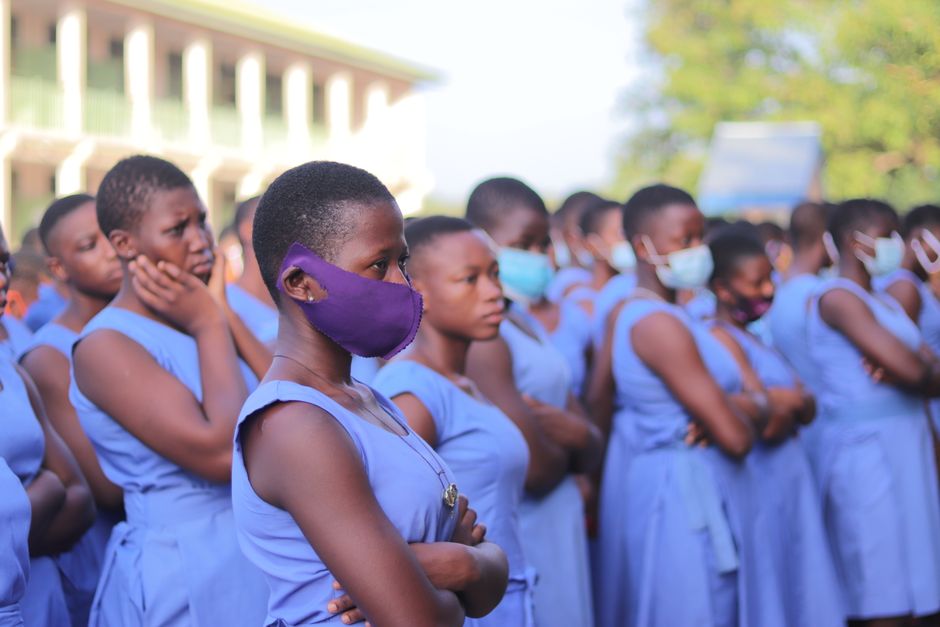
Health habits start young. The campaign works with schools to provide better menstrual hygiene management and nutritional education. When girls understand their bodies, they are empowered to make better decisions for their future.
4. Policy and Advocacy
This is where the “Health Ministry” part comes in. Governments are being urged to allocate more budget specifically for gender-responsive healthcare. This means training doctors to recognize that symptoms of a heart attack look different in a woman than in a man, and ensuring that clinical trials include female participants.
Why Is This Happening Now?
You might wonder, why the sudden push? The truth is, the last few years have been tough on women’s health. Global events and economic shifts have seen many women skipping routine checkups. We are seeing a rise in “preventable” illnesses because the focus was shifted elsewhere.
Furthermore, the data is finally catching up. We now know that women are more likely to suffer from certain autoimmune diseases and that their pain is often taken less seriously in clinical settings. The BcozSheMatters: WHO Health Ministry roll out campaign on women and girls health and well-being is a corrective measure to ensure that the healthcare system is actually built for everyone, not just a default “male” standard.
How Can We Support the Movement?
A government campaign can only go so far. For real change to happen, it needs to be embraced by the community. Here is how you can play a part:
- Educate Yourself: Learn about the specific health risks associated with different stages of a woman’s life.
- Encourage the Women You Know: If your friend has been complaining about a health issue, offer to watch her kids or help with her chores so she can go to the doctor.
- Spread the Word: Use the hashtag #BcozSheMatters to share reliable health information and personal stories.
- Advocate for Change: Support policies in your local community that provide better healthcare access for girls and women.
Breaking the Taboos
One of the most exciting parts of this campaign is its commitment to breaking taboos. Topics like menopause, menstruation, and sexual health are often whispered about. The WHO and Health Ministries are bringing these conversations into the light.
By normalizing these discussions, we reduce the shame that often prevents women from seeking help. For example, a woman going through menopause shouldn’t have to suffer in silence with hot flashes and mood swings that affect her quality of life. She should have access to medical advice and support without feeling embarrassed.
Key Takeaways
If you take away just a few things from the BcozSheMatters: WHO Health Ministry roll out campaign on women and girls health and well-being, let it be these:
- Holistic Focus: It’s about more than just reproduction; it’s about mental, physical, and social health across a lifetime.
- Early Detection: The campaign prioritizes screenings and preventative care to save lives.
- Equity: It aims to ensure that a woman’s zip code or income doesn’t determine her health outcomes.
- Empowerment: Knowledge is power. By educating girls early, we create a healthier future generation.
Conclusion: A Healthier Future for Everyone
At the end of the day, the #BcozSheMatters campaign isn’t just “for women.” It’s for everyone. When women are healthy, children are healthier, economies are stronger, and communities are more resilient. It’s an investment that pays dividends for generations.
The BcozSheMatters: WHO Health Ministry roll out campaign on women and girls health and well-being is a giant leap in the right direction. It reminds us that health is a fundamental right, not a luxury. So, let’s support this initiative, check in on the women in our lives, and remember that her health matters—today, tomorrow, and always.
Frequently Asked Questions (FAQ)
1. Who is behind the BcozSheMatters campaign?
The campaign is a collaborative effort between the World Health Organization (WHO) and various national Health Ministries around the globe. It involves policymakers, healthcare providers, and community leaders.
2. Does this campaign only focus on physical health?
No. A major pillar of the campaign is mental health and emotional well-being. It recognizes that psychological health is just as important as physical health for a woman’s overall quality of life.
3. How will the campaign reach women in rural areas?
The rollout includes mobile health clinics, community health workers, and digital health platforms to ensure that women in remote or underserved areas have access to the same quality of care as those in cities.
4. Can men participate in this campaign?
Absolutely! Men play a crucial role as allies, fathers, partners, and policymakers. Supporting the health of the women in their lives is a key part of the campaign’s success.
5. Where can I find more information about the campaign’s local activities?
You can check the official website of your national Health Ministry or the WHO’s regional office website for specific dates, screening locations, and educational resources in your area.
Written with love and assistance and refined for quality.
🔗 Related: A perfect storm for bone loss…
🔗 Related: Perineal muscle strength as a predictor…
🔗 Related: Yes Creatine Can Help With StrengthBut…