In this article, we’ll explore: Yes Creatine Can Help With StrengthBut Its Wellness Benefits Go Way Beyond The Gym and why it matters today.
Related:
👉 BcozSheMatters: Why the WHO and Health Ministry’s New Campaign is a Game-Changer for Women and Girls
👉 Why Getting Pregnant with PCOS is Harder Than It Should Be: The New Science of Endometrial Receptivity
👉 Yes, Creatine Can Help With Strength—But Its Wellness Benefits Go Way Beyond The Gym
Learn more: Yes Creatine Can Help With StrengthBut Its Wellness Benefits Go Way Beyond The Gym on Google Search
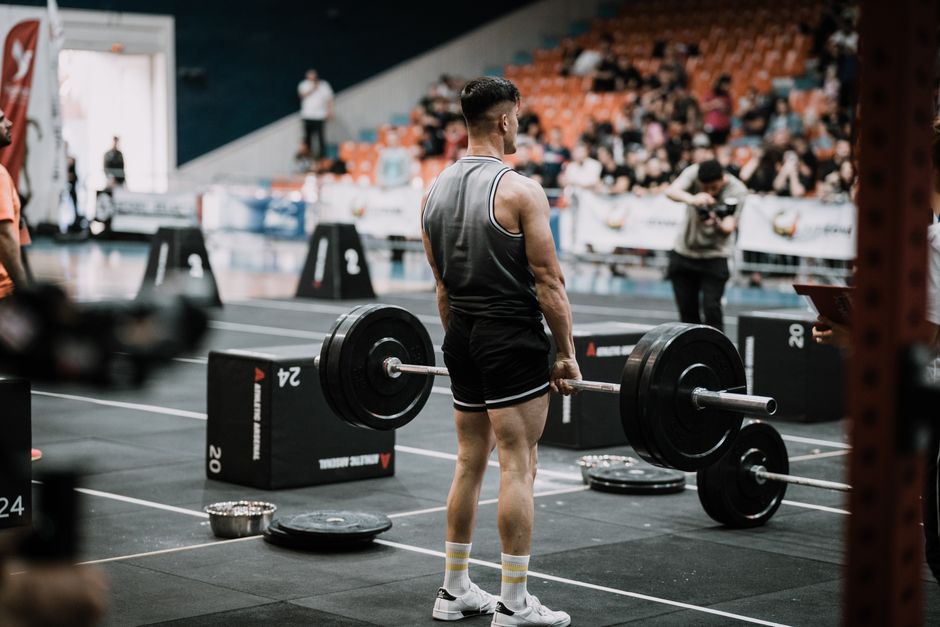
If you close your eyes and think of the word “creatine,” what do you see? For most people, the image is pretty specific: a sweaty gym, a massive guy with arms the size of tree trunks, and a giant plastic tub of white powder. For decades, creatine has been pigeonholed as a “meathead” supplement—something used exclusively by bodybuilders looking to add bulk or powerlifters trying to hit a new personal record.
And look, that reputation isn’t wrong. Yes Creatine Can Help With StrengthBut Its Wellness Benefits Go Way Beyond The Gym. While it is arguably the most researched and effective supplement for building muscle, we are currently living through a “creatine renaissance.” Scientists are discovering that this simple, affordable molecule is less of a “gym shortcut” and more of a “cellular battery” that supports your brain, your bones, and even your mood.
In this post, we’re going to look past the bicep curls and bench presses. We’re going to explore why creatine might just be the most underrated wellness supplement for everyone—from busy CEOs and tired parents to aging grandparents.
The “Gym Part” (Briefly Explained)
Before we dive into the unexpected wellness benefits, we have to acknowledge why it became famous in the first place. To understand why creatine helps your brain, you first have to understand how it helps your muscles.
Think of your body’s energy like a currency. The “cash” your cells use is a molecule called ATP (Adenosine Triphosphate). When you do something explosive—like sprinting for a bus or lifting a heavy box—your body burns through that cash incredibly fast. Once the ATP is used up, it turns into ADP (a spent version of the molecule). Creatine acts like a high-speed ATM; it “recharges” that spent ADP back into ATP almost instantly.
This is why creatine helps with strength. It gives you that extra 2% of energy to finish the last rep or run that last 50 yards. But here is the secret: your muscles aren’t the only things that need ATP. Your brain is an energy hog, and that’s where the real magic happens.
1. The Ultimate “Brain Fog” Fighter
Did you know that your brain, despite being only about 2% of your body weight, consumes roughly 20% of your total energy? It is constantly “on,” even when you’re sleeping. Just like your muscles, your neurons rely on ATP to fire signals, process information, and keep your memory sharp.
Recent studies have shown that creatine supplementation can significantly improve cognitive performance, especially in tasks that require speed and mental endurance. If you’ve ever felt “brain fog” after a long day of Zoom calls or struggled to focus after a bad night’s sleep, creatine might be your best friend.
Real-World Example: The Sleep-Deprived Parent
Imagine a new parent who hasn’t slept more than four hours at a time in three weeks. Their brain is struggling to recycle energy. Research has shown that in states of sleep deprivation, creatine can help maintain cognitive performance. It doesn’t replace sleep (nothing does), but it helps the brain manage its limited energy resources more efficiently, helping you stay “with it” when you’re running on fumes.
2. Protecting the Aging Brain
As we get older, our natural creatine levels tend to dip, and our brain’s ability to produce energy becomes less efficient. This is one reason why researchers are looking at creatine as a potential tool against neurodegenerative issues.
While we are still in the early stages of human trials, there is promising evidence that creatine may have neuroprotective qualities. By maintaining higher energy levels in the brain, it may help protect against the cellular stress that leads to cognitive decline. It’s not just about being “smart” today; it’s about keeping your brain resilient for the decades to come.
3. Sarcopenia: The Secret Enemy of Longevity
There is a word most people don’t know, but everyone should: Sarcopenia. It is the natural loss of muscle mass and strength as we age. Starting in our 30s, we begin to lose muscle if we aren’t careful. By the time someone reaches 70, this loss can lead to frailty, falls, and a loss of independence.
This is where the “strength” aspect of creatine becomes a massive wellness benefit for older adults. It isn’t about getting “jacked” for the beach; it’s about being able to get out of a chair, carry groceries, or play with grandkids. When combined with light resistance training, creatine helps older adults maintain the functional muscle they need to stay mobile and safe.
- Better Balance: Stronger legs mean fewer falls.
- Bone Density: Some studies suggest creatine may help support bone mineral density when paired with exercise.
- Metabolic Health: Muscle is “metabolically active” tissue, meaning it helps regulate blood sugar.
4. Mood and Mental Health Support
This is perhaps the most exciting frontier of creatine research. There is a growing body of evidence suggesting that creatine may play a role in supporting mental health, particularly for those struggling with low mood or depression.
The theory is that some forms of depression are linked to “bioenergetic impairment”—basically, the brain isn’t producing or using energy correctly. By supplementing with creatine, we may be able to provide the brain with the extra fuel it needs to maintain better neurotransmitter balance. While it is not a replacement for traditional therapy or medication, many people find it to be a helpful “add-on” to their mental wellness routine.
5. Blood Sugar Regulation
We usually talk about insulin and carbs when we discuss blood sugar, but creatine might have a seat at the table too. Some research indicates that creatine can improve glucose tolerance. It appears to help “shuttle” sugar from the bloodstream into the muscle cells more effectively. For anyone looking to maintain healthy blood sugar levels (which is almost everyone), this is a significant “beyond the gym” perk.
Story: Sarah’s Discovery
Sarah, a 45-year-old accountant, started taking creatine because her physical therapist recommended it for a lingering knee injury. She wasn’t a “gym rat,” but she noticed something unexpected after three weeks: her mid-afternoon energy slump disappeared. She used to reach for a third cup of coffee at 3:00 PM, but now she felt steady. She wasn’t getting “bulky,” but her brain felt like it had a fresh battery. This is the “wellness” side of creatine in action.
Key Takeaways
- Energy Currency: Creatine recharges ATP, the primary energy source for all your cells.
- Brain Power: It can reduce mental fatigue and improve focus, especially during sleep deprivation.
- Longevity: It helps fight age-related muscle loss (sarcopenia) and supports bone health.
- Mental Health: Emerging research shows potential benefits for mood and depression support.
- Accessibility: It is one of the safest, cheapest, and most tested supplements on the market.
Common Myths (Let’s Clear the Air)
“Will it make me look bloated?”
Creatine does draw water into the body, but it draws it into the muscle cell, not under the skin. This can actually make your muscles look more hydrated and healthy, not “puffy.” Most people don’t notice any visible change other than feeling a bit stronger.
“Is it bad for my kidneys?”
For healthy individuals, dozens of long-term studies have shown that creatine is perfectly safe. If you have pre-existing kidney disease, you should always talk to your doctor first, but for the general population, it is incredibly well-tolerated.
“Is it a steroid?”
Not even close. Creatine is a nitrogenous organic acid that occurs naturally in vertebrates. You actually get creatine from eating red meat and fish, and your body produces it naturally in your liver and kidneys. Supplementing just “tops off” your tank.
How to Use It for Wellness
If you’re interested in the wellness benefits, you don’t need a complicated “loading phase” or fancy colored drinks. Here is the simple approach:
- Choose Creatine Monohydrate: It’s the most researched and cheapest form. Don’t fall for “HCl” or “buffered” versions that cost three times as much.
- Take 3–5 Grams Daily: That’s about one small scoop. Consistency is more important than timing. You can put it in coffee, water, or a smoothie.
- Be Patient: It takes about 2-4 weeks for your cellular stores to fully saturate. You won’t feel it “kick in” like caffeine; it’s a gradual improvement in your baseline energy.
FAQ Section
Do I need to exercise to benefit from creatine?
While the muscle-building benefits require exercise, the cognitive and cellular energy benefits do not. Even sedentary individuals may see improvements in brain function and energy levels, though pairing it with movement is always recommended for overall health.
Can women take creatine?
Absolutely. In fact, some research suggests women may benefit more from creatine because they naturally have lower levels than men. It is excellent for women’s bone health and hormonal balance support.
Does it cause hair loss?
This is a persistent myth based on one very small study from years ago that has never been replicated. There is no current scientific evidence linking creatine to hair loss.
Should I take it on days I don’t work out?
Yes. Creatine works by “saturating” your cells over time. To keep those levels high for your brain and body, you should take it every day, regardless of your activity level.
Final Thoughts
It’s time to change the narrative. Yes Creatine Can Help With StrengthBut Its Wellness Benefits Go Way Beyond The Gym. It is a foundational supplement for human health. Whether you want to stay sharp during a stressful work week, protect your body as you age, or just have a little more “gas in the tank” for daily life, creatine is a safe, effective, and science-backed tool that belongs in your wellness cabinet.
You don’t have to be a bodybuilder to want a better-functioning brain and a more resilient body. You just have to be human.
Written with love and assistance and refined for quality.
🔗 Related: Women with polycystic ovary syndrome exhibit…
🔗 Related: BcozSheMatters: WHO Health Ministry roll out…
🔗 Related: A perfect storm for bone loss…