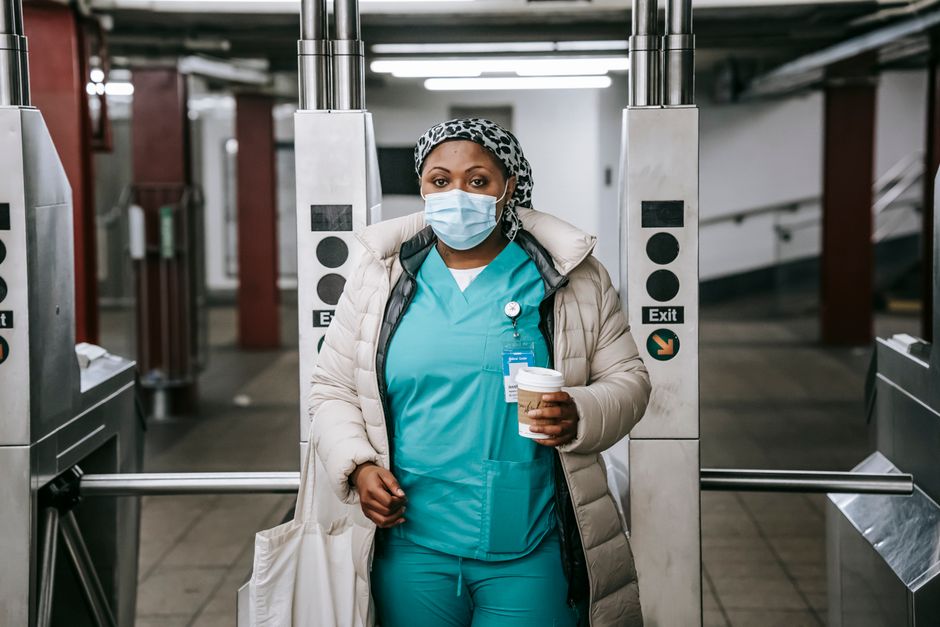
In this article, we’ll explore: BcozSheMatters: WHO Health Ministry roll out campaign on women and girls health and well-being and why it matters today.
Related:
👉 Yes Creatine Can Help With Strength But Its Wellness Benefits Go Way Beyond The Gym
👉 Understanding Perineal Muscle Strength as a Predictor of Stress Urinary Incontinence Among Young Parous Women in Mangaluru, India
👉 The Hidden Risk: Why Menopause and GLP-1 Drugs Create a "Perfect Storm" for Bone Loss
Learn more: BcozSheMatters: WHO Health Ministry roll out campaign on women and girls health and well-being on Wikipedia
Imagine a small village where a young mother named Sarah lives. Sarah spends her days tending to her children, working in the fields, and making sure everyone in her household is fed and healthy. But when Sarah feels a sharp pain in her chest or a lingering fatigue that won’t go away, she pushes it aside. “I don’t have time to be sick,” she tells herself. “The family needs me.”
This story isn’t unique to Sarah. It is the story of millions of women across the globe who consistently put their own health on the back burner to care for others. Recognizing this silent crisis, a powerful new initiative has taken center stage. The BcozSheMatters: WHO Health Ministry roll out campaign on women and girls health and well-being is more than just a headline; it is a movement designed to change the narrative around female health from “neglected” to “priority.”
In this post, we’re going to dive deep into what this campaign actually means, why it’s happening now, and how it aims to transform the lives of women and girls from every walk of life.
What Exactly is the BcozSheMatters Campaign?
At its core, the BcozSheMatters initiative is a collaborative effort between the World Health Organization (WHO) and regional Health Ministries. It was born out of a simple but profound realization: when you invest in a woman’s health, you aren’t just helping one person. You are stabilizing a family, strengthening a community, and boosting the economy.
The campaign focuses on a holistic approach. It’s not just about maternal health (though that is a huge part of it). It’s about the entire lifecycle of a female—from the nutritional needs of a young girl to the hormonal changes of menopause and the specific geriatric care required for elderly women.
The BcozSheMatters: WHO Health Ministry roll out campaign on women and girls health and well-being is designed to break down the barriers that prevent women from seeking care. These barriers are often a mix of financial constraints, social stigma, and a simple lack of information.
The Three Pillars of Change
To make a real dent in global health statistics, the campaign is built on three essential pillars. Let’s break them down in simple terms.
1. Preventive Care and Early Screening
We’ve all heard the saying, “Prevention is better than cure.” For women, this is life-saving advice. The campaign emphasizes regular screenings for conditions like cervical cancer and breast cancer. In many parts of the world, these are seen as “death sentences,” but when caught early, they are highly treatable. The initiative aims to make these screenings as routine as a common cold check-up.
2. Mental Health and Emotional Well-being
For too long, women’s mental health has been shrouded in silence. Whether it’s postpartum depression, the anxiety of balancing work and home, or the trauma of domestic issues, the BcozSheMatters campaign brings these “invisible” struggles into the light. It provides resources and reduces the shame associated with asking for help.
3. Nutritional Security and Education
Did you know that women are more likely to suffer from anemia and malnutrition, often because they eat last and least in many households? The campaign works with local Health Ministries to educate families on the importance of female nutrition, ensuring girls grow up strong and women have the energy to lead their lives.
Real-World Impact: Meet Ananya
To understand why this campaign is so vital, let’s look at a real-world scenario. Ananya is a 15-year-old girl living in a suburban neighborhood. For years, she missed school every month because of severe menstrual pain and a lack of proper hygiene products. She felt embarrassed and “unclean.”
Through the BcozSheMatters: WHO Health Ministry roll out campaign on women and girls health and well-being, Ananya’s local school received a visit from a mobile health clinic. They didn’t just provide supplies; they provided education. They explained that her body was doing something natural and healthy. They gave her the medical support she needed to manage her pain. Today, Ananya hasn’t missed a day of school in six months. That is the power of targeted health intervention.
Why Does This Matter Right Now?
You might be wondering, “Why now?” The truth is, the last few years have been tough on global health. The pandemic stretched resources thin, and unfortunately, women’s health services were often the first to be sidelined. Routine check-ups were cancelled, and maternal mortality rates saw a worrying spike in several regions.
The BcozSheMatters campaign is a “reset button.” It’s an urgent call to action to reclaim the progress we lost and push even further. It acknowledges that we cannot have a healthy society if 50% of the population is struggling with preventable health issues.
Breaking the Stigma: It’s Okay to Talk About It
One of the biggest hurdles the Health Ministry faces is culture. In many places, talking about reproductive health or menopause is considered “taboo.” This campaign uses “human-speak” to break those walls. By using relatable stories and local language, it encourages daughters to talk to their mothers and husbands to support their wives.
- Normalizing Periods: Moving away from the “hush-hush” culture around menstruation.
- Menopause Support: Recognizing that the “change of life” requires medical and emotional support, not just “toughing it out.”
- Sexual Health: Providing safe spaces for girls to learn about their bodies without fear of judgment.
The Role of Technology in the Campaign
We live in a digital age, and the BcozSheMatters: WHO Health Ministry roll out campaign on women and girls health and well-being is leaning heavily into tech. From “Tele-health” apps that allow women in remote areas to speak with doctors, to SMS alerts reminding pregnant mothers of their next prenatal appointment, technology is bridging the gap.
Imagine a woman in a rural area who can’t travel four hours to the nearest hospital. With this campaign, she can use a community tablet to have a video consultation. This isn’t just “cool tech”—it’s a lifeline.
Key Takeaways from the BcozSheMatters Initiative
- Holistic Focus: It covers everything from physical ailments to mental health and nutrition.
- Lifecycle Approach: Health support starts at birth and continues through old age.
- Community Driven: The campaign works with local leaders to ensure the message is culturally sensitive and effective.
- Accessibility: The main goal is to make healthcare affordable and physically reachable for every woman, regardless of her zip code.
- Empowerment: Knowledge is power. By educating women about their bodies, the campaign gives them the agency to make their own health decisions.
How Can You Support the Movement?
You don’t have to be a doctor or a government official to make a difference. The “She” in BcozSheMatters could be your mother, your sister, your daughter, or yourself.
Start by talking. Share information about health screenings with the women in your life. Support local clinics. Most importantly, if you are a woman, stop apologizing for taking time to see a doctor. Your health isn’t a luxury; it’s a necessity. The BcozSheMatters: WHO Health Ministry roll out campaign on women and girls health and well-being is here to support you, but the first step starts with valuing yourself.
Final Thoughts
The BcozSheMatters campaign is a beacon of hope. It’s a reminder that a woman’s health is the heartbeat of the world. When she is healthy, she can learn, she can lead, and she can thrive. By focusing on the unique needs of women and girls, the WHO and the Health Ministry are not just fixing a healthcare problem—they are building a stronger, more equitable future for everyone.
Let’s make sure that no woman ever feels like she has to choose between her family’s well-being and her own. Because at the end of the day, her health matters. It matters to her, it matters to us, and it matters to the world.
Frequently Asked Questions (FAQ)
What is the main goal of the BcozSheMatters campaign?
The primary goal is to improve the overall health and well-being of women and girls by providing better access to healthcare, education, and preventive services, while reducing the social stigma associated with female-specific health issues.
Who is organized by the BcozSheMatters initiative?
It is a joint effort between the World Health Organization (WHO) and various national Health Ministries, often supported by local NGOs and community health workers.
Does the campaign only focus on reproductive health?
No. While reproductive and maternal health are major components, the campaign also covers mental health, nutrition, chronic diseases (like diabetes and heart disease), and geriatric care for elderly women.
How can women in rural areas benefit from this?
The campaign rolls out mobile health clinics, community outreach programs, and telehealth services specifically designed to reach women who live far from major urban hospitals.
Is there a cost to access these services?
One of the campaign’s objectives is to advocate for low-cost or free essential services, such as cancer screenings and prenatal care, to ensure that financial status isn’t a barrier to health.
Written with love and assistance and refined for quality.
🔗 Related: A perfect storm for bone loss…
🔗 Related: Perineal muscle strength as a predictor…