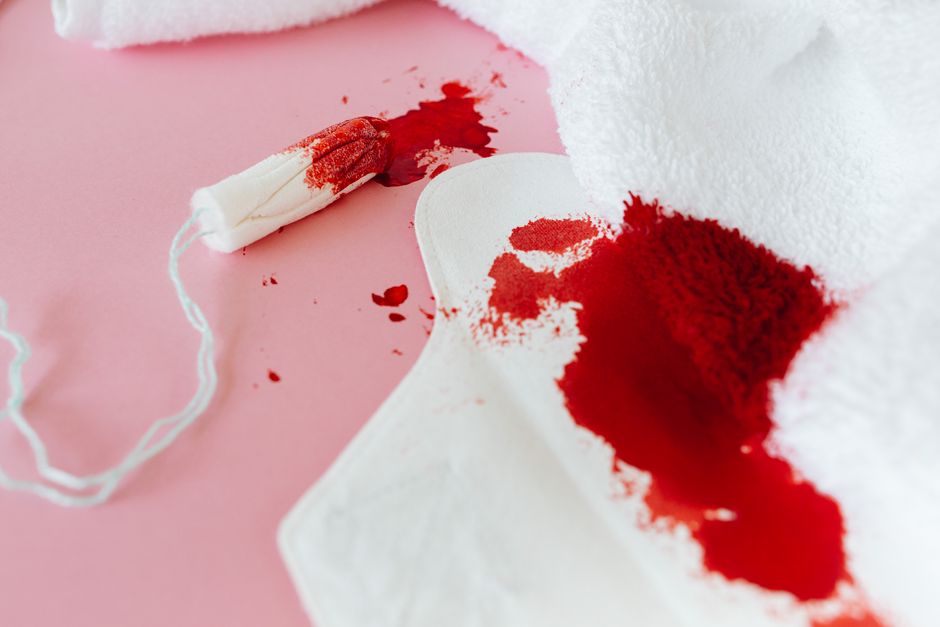
In this article, we’ll explore: Period poverty: causes and related issues and why it matters today.
Related:
👉 Understanding the Link: Perineal Muscle Strength and Stress Urinary Incontinence Among Young Mothers in Mangaluru
👉 Why Every Woman’s Health Is a Global Priority: Diving Into the #BcozSheMatters Campaign
👉 Reclaiming Your Rhythm: Why Pelvic Strength Matters for Young Moms in Mangaluru
Learn more: Period poverty: causes and related issues on Investopedia
Imagine for a moment that you are a teenage girl named Maya. Maya is bright, loves math, and dreams of becoming an engineer. But every month, for about five days, Maya’s world stops. She doesn’t go to school. She doesn’t hang out with her friends. She doesn’t even leave her room. Why? Because her family has to choose between buying a bag of rice or a pack of menstrual pads. Usually, the rice wins.
This isn’t just a scene from a movie; it is the daily reality for millions of people around the world. This phenomenon is known as period poverty. While it might sound like a distant issue, it is happening right in our backyards, in our schools, and in our workplaces. To truly address this, we need to dive deep into period poverty: causes and related issues and understand why a natural biological process has become a barrier to equality.
What Exactly is Period Poverty?
Before we look at the “why,” let’s define the “what.” Period poverty isn’t just about not having money for pads or tampons. It is a much broader issue that includes a lack of access to menstrual products, hygiene facilities, waste management, and even basic education about how the body works.
When someone experiences period poverty, they are often forced to use unsafe alternatives like old rags, newspapers, husks, or even sand. It is a struggle for dignity, health, and opportunity. It is a quiet crisis that many are too embarrassed to talk about, but the silence only makes the problem grow.
Period Poverty: Causes and Related Issues
There isn’t just one single reason why period poverty exists. It is a web of financial, social, and systemic problems that overlap. Let’s break down the primary drivers of this global issue.
1. Financial Hardship and the Cost of Living
The most obvious cause is the price tag. For many low-income families, menstrual products are a luxury they simply cannot afford. In some countries, a pack of pads can cost a significant portion of a daily wage. Even in wealthier nations, the “Pink Tax”—the tendency for products marketed toward women to be more expensive—makes these essential items harder to obtain.
2. The Lack of Clean Water and Private Spaces
You can have all the pads in the world, but if you don’t have a private bathroom with clean running water, managing a period becomes nearly impossible. In many parts of the world, schools and public spaces lack gender-segregated toilets. This lack of infrastructure forces people to stay home to avoid the risk of public accidents or infections.
3. Social Stigma and Cultural Taboos
In many cultures, menstruation is still seen as “dirty” or “shameful.” This stigma prevents open conversation. When we don’t talk about periods, we don’t talk about the need for products. This silence means that policy-makers (who are often men) don’t prioritize funding for menstrual health in schools or public budgets.
4. Lack of Education
Many young people start their periods without knowing what is happening to their bodies. Without proper menstrual health education, they may not know how to use products safely or understand that their pain is manageable. This lack of knowledge fuels fear and keeps the cycle of poverty spinning.
The Ripple Effect: How Period Poverty Impacts Lives
Period poverty doesn’t just end when the bleeding stops. It creates a “ripple effect” that impacts every area of a person’s life. Here are some of the most pressing related issues.
The Education Gap
When students miss school every month because they lack products, they fall behind. Over time, these missed days add up to weeks and months of lost learning. In many cases, this leads to girls dropping out of school entirely, which limits their future career opportunities and keeps them trapped in a cycle of poverty.
Serious Health Risks
When people are forced to use unhygienic materials like old socks or newspapers, they face a high risk of urogenital infections. Using a single tampon or pad for too long because you’re trying to “stretch” your supply can also lead to life-threatening conditions like Toxic Shock Syndrome (TSS).
Mental Health and Self-Esteem
The psychological toll of period poverty is heavy. Imagine the anxiety of sitting in a classroom, constantly checking your chair for leaks, knowing you have nothing to protect yourself. This leads to feelings of shame, isolation, and a loss of dignity. No one should feel “less than” because of a natural body function.
Economic Impact
It’s not just students. Adults in low-paying jobs often miss work because they can’t manage their periods at their workplace. This leads to lost wages, further deepening the financial struggle that caused the period poverty in the first place.
Real-World Examples of the Struggle
To put a face to these statistics, let’s look at two different scenarios:
- The Rural Context: In rural parts of sub-Saharan Africa, a girl might walk miles to school only to find there is no door on the toilet and no water to wash her hands. She chooses to stay home and use dried leaves wrapped in cloth, leading to painful rashes and infections.
- The Urban Context: In a major city like New York or London, a homeless woman might have to choose between a sandwich and a box of tampons. She might spend her day in a public library, trying to use toilet paper as a makeshift pad, which leaks and causes her immense public embarrassment.
These stories show that period poverty looks different depending on where you are, but the underlying pain and loss of opportunity are exactly the same.
How Can We Break the Cycle?
The good news is that the world is starting to wake up. We are seeing a movement toward “Menstrual Equity.” Here is how we can make a difference:
- Policy Changes: Governments can scrap the “Tampon Tax” and provide free menstrual products in schools, prisons, and homeless shelters. Scotland made history by becoming the first country to make menstrual products free for everyone.
- Normalizing the Conversation: We need to talk about periods as naturally as we talk about breathing. Breaking the taboo is the first step toward finding solutions.
- Better Infrastructure: Investing in clean water and private, safe sanitation facilities in schools and workplaces is essential.
- Supporting Local NGOs: Many organizations work to distribute reusable pads and menstrual cups while providing vital health education.
Key Takeaways
- It’s a Global Issue: Period poverty affects people in both developing and developed nations.
- Beyond Products: It includes a lack of water, toilets, and education, not just a lack of pads.
- The Cost of Silence: Stigma and shame prevent progress and keep the issue hidden.
- Education is Key: Keeping girls in school requires providing them with the tools to manage their periods with dignity.
- Action Works: Policy changes and community support can effectively end period poverty.
Frequently Asked Questions
Is period poverty only a problem in poor countries?
No. While it is very severe in developing nations, it is a significant issue in wealthy countries too. Many people using food banks also struggle to afford menstrual products.
What are the most common health risks of period poverty?
The most common risks include urinary tract infections (UTIs), bacterial vaginosis, and skin irritation. In extreme cases, using unsafe materials or leaving tampons in too long can lead to Toxic Shock Syndrome.
How can I help end period poverty?
You can donate products to local shelters, support organizations like Period.org or Days for Girls, and advocate for free products in your local schools or workplaces. Most importantly, speak up and help normalize the conversation!
Does period poverty affect men?
Yes, in several ways. Transgender men and non-binary individuals also menstruate and often face even greater barriers to accessing products and safe spaces. Additionally, period poverty affects fathers, brothers, and husbands whose family members are suffering from the economic and educational impacts.
Final Thoughts
Period poverty is a complicated issue, but it is one we can solve. It isn’t just a “woman’s issue”—it is a human rights issue. When we ensure that everyone can manage their period with dignity, we unlock potential. We keep kids in school, we keep workers on the job, and we protect the health of our communities.
The next time you see a donation bin for hygiene products, remember Maya. Remember that a simple pack of pads isn’t just about hygiene; it’s about her education, her future, and her dignity. Let’s keep talking, keep advocating, and finally put an end to period poverty once and for all.
Written with love and assistance and refined for quality.
🔗 Related: Perineal muscle strength as a predictor…
🔗 Related: Yes Creatine Can Help With StrengthBut…