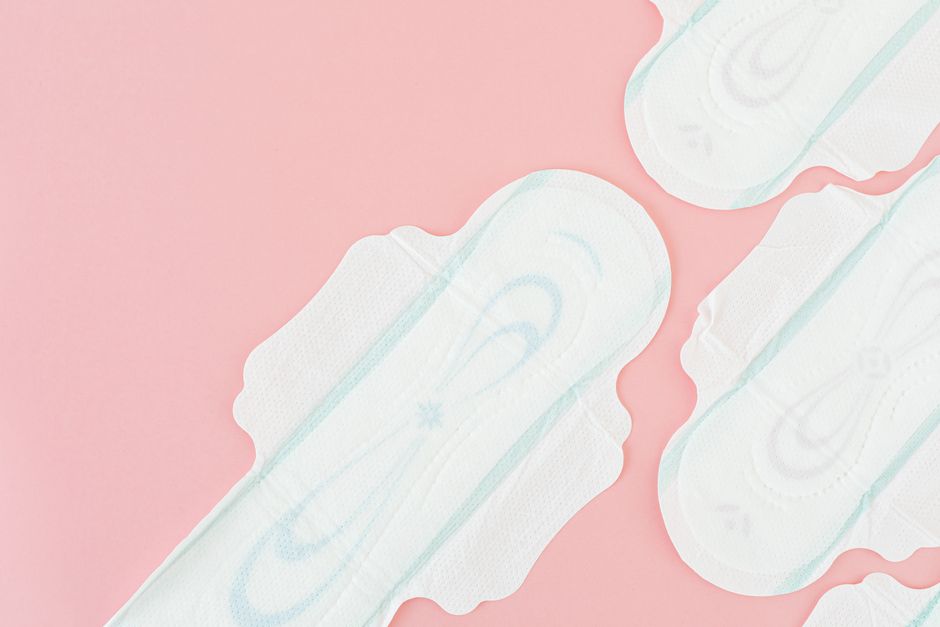
In this article, we’ll explore: Period poverty: causes and related issues and why it matters today.
Related:
👉 The Hidden Crisis: Understanding Period Poverty, Its Causes, and the Real-Life Impact on Millions
👉 The Silent Risk: Why Menopause and GLP-1 Drugs Are a Perfect Storm for Bone Loss in Women
👉 Why BcozSheMatters is the Health Revolution Women and Girls Have Been Waiting For
Learn more: Period poverty: causes and related issues on Wikipedia
Imagine for a second that you are a fifteen-year-old student sitting in a math class. You feel that familiar, dull ache in your lower abdomen. You realize your period has started. But instead of reaching into your bag for a pad or a tampon, you realize you don’t have any. You can’t ask your friends because they are in the same boat, and you certainly can’t ask your parents because you know they are currently choosing between buying groceries or paying the electricity bill.
So, what do you do? You fold up some rough toilet paper, or maybe you use an old sock, and you pray it doesn’t leak before the bell rings. Then, you decide it’s safer to just stay home for the next four days. You miss your lessons, you fall behind, and you feel a deep sense of shame for something your body does naturally.
This isn’t a scene from a historical novel. This is the daily reality for millions of people globally. This is period poverty: causes and related issues are much more complex than just a lack of money. It is a public health crisis, an education barrier, and a violation of human dignity.
What Exactly Is Period Poverty?
When we talk about period poverty, most people think it just means not being able to afford pads or tampons. While that is a huge part of it, the definition is actually much broader. Period poverty refers to the lack of access to menstrual products, hygiene facilities, waste management, and even the basic education needed to manage menstruation safely and with dignity.
It’s a global issue that affects people in low-income countries and wealthy nations alike. Whether it’s a girl in rural India, a trans man in a homeless shelter in New York, or a struggling mother in London, the struggle to manage a period safely is a heavy burden that many carry in silence.
Period Poverty: Causes and Related Issues Explained
To solve a problem, we first have to understand why it exists. The causes of period poverty are deeply rooted in economics, social structures, and even government policy.
1. The High Cost of Menstrual Products
Let’s look at the numbers. On average, a person spends about $20 a month on menstrual products. Over a lifetime, that adds up to thousands of dollars. For a family living below the poverty line, especially one with multiple menstruating members, this cost is staggering. When money is tight, “luxury” items are the first to go. Unfortunately, in many parts of the world, pads and tampons are still treated as luxuries rather than necessities.
2. The “Tampon Tax”
In many regions, menstrual products are taxed as “non-essential” or “luxury” goods. Meanwhile, items like Viagra or certain snacks are often tax-exempt. This systemic inequality makes products even more expensive for the people who need them most. While some countries have started to scrap this tax, many still profit off a biological process that people cannot control.
3. Lack of Clean Water and Sanitation
If you have a pad but no place to change it privately, or no clean water to wash your hands or body, you are still experiencing period poverty. In many schools and workplaces around the world, there are no private toilets or disposal bins. This lack of infrastructure forces people to stay home during their cycles to avoid embarrassment or infection.
4. Cultural Stigma and Taboos
This is perhaps one of the most difficult causes to tackle. In many cultures, menstruation is seen as “dirty” or “shameful.” People are taught to hide their periods, use hushed tones when talking about them, and feel embarrassed if a leak occurs. This silence prevents people from asking for help and stops governments from prioritizing menstrual health in their budgets.
The Ripple Effect: Related Issues That Stem from Period Poverty
Period poverty doesn’t exist in a vacuum. It triggers a chain reaction of problems that can derail a person’s life. When we discuss period poverty: causes and related issues, we have to look at the long-term consequences.
The Impact on Education
Education is often the first casualty. Studies show that one in ten girls in Africa misses school during their period. In the United States, a survey found that one in five teens has struggled to afford period products or has missed school entirely because of it. When a student misses a week of school every single month, they fall behind. This leads to higher dropout rates, which in turn limits their future job opportunities and keeps them trapped in the cycle of poverty.
Serious Health Risks
When people can’t afford proper products, they get creative—but not in a good way. People resort to using rags, newspapers, leaves, or even sand and ash to absorb menstrual blood. Others might wear a single tampon or pad for 24 to 48 hours to “save” money. These practices lead to severe health issues, including:
- Urinary Tract Infections (UTIs)
- Bacterial Vaginosis
- Toxic Shock Syndrome (TSS), which can be fatal
- Reproductive tract infections that can lead to infertility
Mental Health and Dignity
The psychological toll is immense. Living in fear of “leaking” or smelling causes chronic anxiety. Many people feel a loss of dignity when they have to beg for a pad or use unhygienic materials. This shame can lead to social isolation, where people withdraw from their communities and activities they love simply because they are menstruating.
Real-World Examples: Putting a Face to the Crisis
To understand the gravity of this, let’s look at two very different but equally heartbreaking examples.
Example 1: Sarah in the United States
Sarah is a college student working two part-time jobs. After paying rent and tuition, she has $50 left for the month for food. When her period arrives, she realizes she has to choose between buying a box of tampons or eating lunch for three days. She chooses food. She spends her week at school using wadded-up paper towels from the campus bathroom. She is constantly checking her clothes in the mirror, unable to focus on her lectures because she is terrified someone will notice.
Example 2: Amara in Rural India
In Amara’s village, menstruation is a forbidden topic. When she gets her period, she is not allowed to enter the kitchen or touch the water supply because she is considered “impure.” She doesn’t have access to pads, so she uses an old piece of cloth. Because there is no private place to wash and dry this cloth, she hides it in a dark, damp corner of her hut to keep it away from the men’s sight. The cloth never dries properly, develops mold, and causes Amara a painful infection that she is too embarrassed to tell anyone about.
How Can We Break the Cycle?
The good news is that the world is finally starting to wake up. Solving period poverty requires a multi-pronged approach that addresses both the “causes” and the “related issues.”
- Policy Changes: Governments should follow the lead of countries like Scotland, which became the first country to make period products free for everyone. Removing the “tampon tax” is another essential step.
- School Programs: Providing free pads and tampons in school bathrooms ensures that no student has to miss class. It treats period products like toilet paper—a basic necessity that should always be available.
- Education and Awareness: We need to normalize the conversation. Boys and men need to be included in these discussions so that the stigma can be dismantled. When we stop treating periods as a “secret,” we make it easier for those in need to seek help.
- Better Infrastructure: Investing in clean water and private sanitation facilities in schools and workplaces is crucial for menstrual health and safety.
Key Takeaways
- It’s not just about money: While cost is a major factor, period poverty also involves a lack of education and inadequate sanitation facilities.
- It’s a global problem: It affects people in every country, regardless of how “developed” that country is.
- The consequences are severe: It leads to missed education, serious physical health risks, and mental health struggles.
- Stigma is a barrier: The shame surrounding menstruation prevents effective policy changes and keeps people from asking for help.
- Action is possible: Through tax removal, free product distribution, and open conversation, we can end period poverty.
Frequently Asked Questions (FAQ)
What is the main cause of period poverty?
The primary cause is financial hardship, where the high cost of menstrual products makes them unaffordable for low-income individuals. However, cultural taboos and a lack of clean water/sanitation are also major contributing factors.
How does period poverty affect education?
Many students miss several days of school each month because they lack the products to manage their periods. Over time, this leads to significant gaps in learning and increases the likelihood of dropping out of school entirely.
Is period poverty only a problem in developing countries?
No. Period poverty is a significant issue in wealthy nations like the US, UK, and Canada. In these countries, it often affects students, homeless individuals, and low-wage workers who have to choose between food and hygiene products.
What are the health risks associated with period poverty?
Using unhygienic alternatives like rags or old clothes, or wearing products for too long, can lead to severe infections, including UTIs, yeast infections, and the potentially life-threatening Toxic Shock Syndrome (TSS).
How can I help end period poverty?
You can help by donating period products to local food banks and shelters, supporting organizations that provide menstrual education, and advocating for policies that make these products free in schools and public buildings.
Period poverty is a silent crisis, but it doesn’t have to stay that way. By understanding period poverty: causes and related issues, we can start to tear down the walls of shame and ensure that no one is held back by a natural bodily function. It’s time to make menstrual equity a reality for everyone, everywhere.
Written with love and assistance and refined for quality.
🔗 Related: Perineal muscle strength as a predictor…
🔗 Related: Yes Creatine Can Help With StrengthBut…