In this article, we’ll explore: Period poverty: causes and related issues and why it matters today.
Related:
👉 More Than Just Muscle: Why Creatine Is the Wellness Secret You’ve Been Missing
👉 Why We Need to Talk About Pelvic Health: Understanding Stress Urinary Incontinence in Young Mothers of Mangaluru
👉 More Than Just a Monthly Cycle: Understanding Period Poverty, Its Causes, and the Hidden Impact
Learn more: Period poverty: causes and related issues on Google Search
Imagine for a second that you are a fifteen-year-old student. You’re sitting in class, trying to focus on a math equation, but all you can think about is the fact that your period started this morning. Instead of a pad or a tampon, you’re using a wad of toilet paper or an old rag because your family couldn’t afford to buy supplies this month. You’re terrified of leaking, you’re uncomfortable, and you’re deeply embarrassed.
For many of us, period products are just another item on the grocery list. But for millions of people worldwide, they are a luxury they simply cannot afford. This is the reality of period poverty. It is a quiet, often invisible crisis that affects health, education, and dignity. To truly tackle this, we have to look closely at period poverty: causes and related issues and understand why this is still happening in the 21st century.
What Exactly is Period Poverty?
At its simplest, period poverty is the lack of access to sanitary products, menstrual hygiene education, toilets, water, and waste management. It’s not just about not having a pad; it’s about the systemic barriers that make managing a natural bodily function nearly impossible for those living in low-income situations.
While we often think of this as an issue only in developing nations, it is happening everywhere—from the rural villages of India to the inner cities of the United States and the United Kingdom. It is a global human rights issue that thrives on silence and stigma.
Period Poverty: Causes and Related Issues
Understanding the root of the problem is the first step toward fixing it. When we talk about period poverty: causes and related issues, we are looking at a complex web of economic, social, and structural factors.
1. Financial Hardship and the “Pink Tax”
The most obvious cause is the cost. In many parts of the world, menstrual products are expensive. When a family is forced to choose between buying a loaf of bread or a pack of pads, the food will always win. In some countries, these essential items are still taxed as “luxury goods,” a phenomenon often referred to as the “Pink Tax.” This makes an already expensive necessity even harder to reach for those living below the poverty line.
2. The Stigma and “Period Taboo”
In many cultures, menstruation is still seen as something “dirty” or “shameful.” This stigma prevents people from talking about it openly. When we don’t talk about it, we don’t advocate for better access. Girls are often told to hide their periods, which leads to a lack of education. If you don’t understand how your body works, you’re less likely to know how to manage it safely or ask for help when you need it.
3. Lack of Infrastructure
Even if someone has a pad, they need a safe, private place to change it and clean water to wash themselves. In many schools and workplaces around the world, there are no private toilets or even running water. Without these basic facilities, managing a period becomes a logistical nightmare that often results in people staying home altogether.
The Ripple Effect: How Period Poverty Changes Lives
Period poverty doesn’t exist in a vacuum. It triggers a chain reaction of “related issues” that can alter the course of a person’s life. Let’s look at how these issues manifest in the real world.
The Impact on Education
One of the most heartbreaking consequences is the “school gap.” Studies show that girls in various parts of the world miss up to 20% of their school year because of their periods. When a student misses a week of school every single month, they fall behind. Eventually, many drop out entirely. This limits their future job prospects and keeps the cycle of poverty spinning for another generation.
Physical Health Risks
When people cannot afford safe products, they turn to alternatives. This includes using old rags, newspapers, husks, or even sand and ash. These methods are not only uncomfortable; they are dangerous. They can lead to severe reproductive and urinary tract infections (UTIs). In extreme cases, using unhygienic materials or leaving a single tampon in for too long (to save money) can lead to life-threatening conditions like Toxic Shock Syndrome (TSS).
Mental Health and Dignity
The psychological toll is massive. Imagine the constant anxiety of “getting caught” or the shame of having a visible leak in public. Period poverty strips people of their dignity. It leads to social isolation, depression, and a sense of worthlessness. No one should feel ashamed of a biological process, yet millions are made to feel that way every month.
Real-World Examples: Putting a Face to the Crisis
To understand the gravity of the situation, we need to look at real stories. These aren’t just statistics; they are human experiences.
- The Student in London: A BBC report highlighted a story of a teenage girl in the UK who missed school every month because her mother, a single parent working two jobs, couldn’t afford the £5 for a box of tampons. The girl felt “less than” her peers and eventually lost interest in her favorite subjects because she was constantly playing catch-up.
- The Factory Worker in Bangladesh: Many garment workers in South Asia lose several days of pay every month because their workplaces lack clean toilets and disposal bins. For someone living on a few dollars a day, losing three days of wages is the difference between paying rent and being evicted.
- The Homeless Woman in New York: For those experiencing homelessness, access to a shower is a luxury, let alone a sanitary pad. Many have to resort to using discarded napkins from fast-food restaurants, leading to chronic health issues and a deep sense of social exclusion.
Breaking the Cycle: What Is Being Done?
The good news is that the world is starting to wake up. We are seeing a shift in how period poverty: causes and related issues are handled at a policy level.
- Scotland Leading the Way: In 2020, Scotland became the first country in the world to make period products free for everyone. This landmark legislation recognized that these products are a basic necessity, much like toilet paper in public restrooms.
- Ending the Tampon Tax: Several countries, including Australia, Canada, and parts of the US, have abolished the tax on menstrual products, making them slightly more affordable.
- Grassroots Movements: Organizations like “Period.” and “The Red Box Project” work tirelessly to distribute products to schools and shelters, ensuring that no one has to go without.
Key Takeaways
- It’s a global issue: Period poverty affects people in both wealthy and developing nations.
- It’s more than just money: While cost is a major factor, stigma and lack of infrastructure are equally significant causes.
- Education is at stake: Period poverty is a leading cause of school absenteeism for young girls.
- Health risks are real: Using unsafe alternatives leads to infections and long-term reproductive health problems.
- Policy changes work: Making products free in schools and public spaces can bridge the gap and restore dignity.
Frequently Asked Questions
Is period poverty only a problem in poor countries?
No. While it is more prevalent in developing nations due to extreme poverty and lack of infrastructure, it is a significant issue in wealthy countries like the US, UK, and Canada, particularly among low-income families and the homeless population.
How does period poverty affect gender equality?
Period poverty holds women and girls back. When they miss school or work, they lose opportunities for advancement. This widens the gender pay gap and ensures that men remain ahead in education and the workforce simply because they don’t have to manage a period.
What can I do to help end period poverty?
You can help by donating products to local food banks or shelters, supporting organizations that advocate for menstrual equity, and most importantly, talking about it. Breaking the silence helps reduce the stigma that keeps period poverty alive.
Are reusable products a solution?
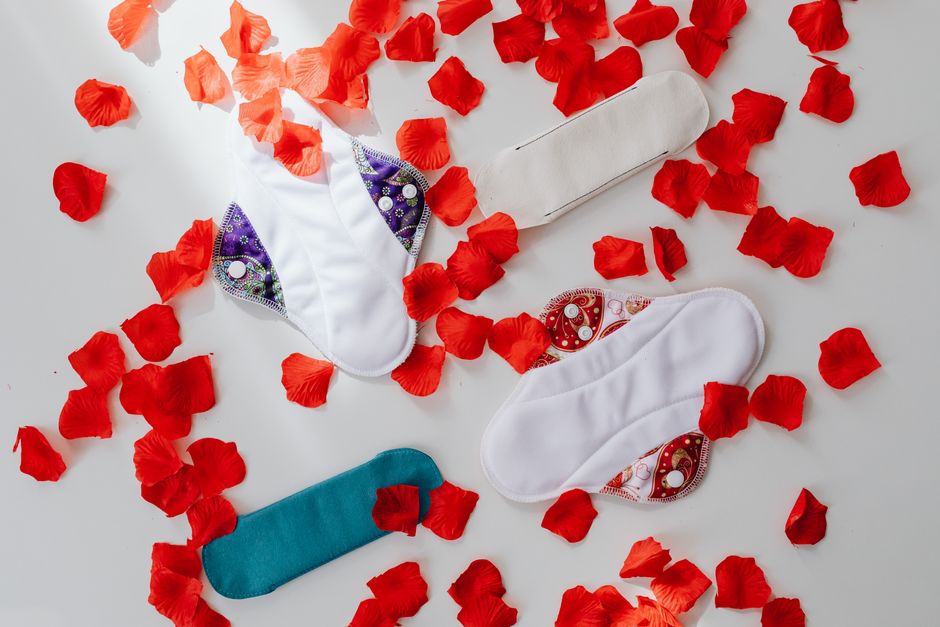
Reusable products like menstrual cups or washable pads can be a great long-term solution because they are cost-effective and eco-friendly. However, they require access to clean water and private spaces for washing, which isn’t always available to those in extreme poverty.
Final Thoughts
Period poverty is a complex issue, but it is one that we can solve. By addressing period poverty: causes and related issues through better policy, open conversation, and community support, we can ensure that menstruation is never a barrier to a person’s potential. It’s time to stop treating a natural bodily function as a luxury and start treating it as a basic human right. After all, dignity shouldn’t have a price tag.
Written with love and assistance and refined for quality.
🔗 Related: Perineal muscle strength as a predictor…
🔗 Related: Yes Creatine Can Help With StrengthBut…