In this article, we’ll explore: Perineal muscle strength as a predictor of stress urinary incontinence among young parous women in Mangaluru India and why it matters today.
Related:
👉 Understanding Why PCOS Affects Fertility: The Science of Endometrial Receptivity and Histone Lactylation
👉 More Than Just Muscles: Why Creatine Is the Wellness Secret You’ve Been Missing
👉 Beyond the "Oops" Moment: Understanding Pelvic Health for Young Mothers in Mangaluru
Imagine you’re at a beautiful wedding in a grand hall near Hampankatta. The air is filled with the scent of jasmine and the sound of laughter. You’re catching up with old friends, sharing a joke, and suddenly—you laugh a little too hard. In that split second, you feel a tiny, involuntary leak. Your heart sinks. You quickly check your saree or churidar, hoping no one noticed. You excuse yourself to the restroom, feeling a mix of embarrassment and confusion.
If this sounds familiar, you aren’t alone. For many young mothers in Mangaluru, this “oops” moment is a daily reality. It has a medical name: Stress Urinary Incontinence (SUI). While it’s often dismissed as a “normal part of being a mom,” modern research suggests we need to look closer at the root cause. Specifically, researchers are finding that perineal muscle strength as a predictor of stress urinary incontinence among young parous women in Mangaluru India is a vital area of study that every young mother should understand.
In this post, we’re going to dive deep into what this means, why it’s happening to women in our coastal city, and how you can take back control of your body.
What Exactly is Stress Urinary Incontinence (SUI)?
Before we talk about the muscles, let’s talk about the problem. Stress Urinary Incontinence isn’t about emotional stress. Instead, it refers to physical “stress” or pressure placed on the bladder. When you cough, sneeze, laugh, jump, or lift a heavy bag of groceries from the Central Market, that pressure can cause urine to leak if the muscles supporting the bladder are weak.
For young “parous” women—a medical term for women who have given birth—this is incredibly common. However, because of the cultural stigma in India, many women suffer in silence, thinking it’s just their “new normal” after having a baby.
The “Trampoline” Metaphor
Think of your pelvic floor (where the perineal muscles are located) as a trampoline. In your early 20s, that trampoline is tight and bouncy. It holds everything—your bladder, uterus, and bowels—firmly in place. But pregnancy and childbirth are like having someone heavy jump on that trampoline for nine months and then finally stretching it to its limit during delivery. If the trampoline loses its spring, things start to sag, and the “seal” of the bladder isn’t as tight as it used to be.
Why Mangaluru? Understanding the Local Context
Mangaluru is a unique blend of traditional values and a fast-paced, modern lifestyle. We have world-class healthcare facilities, yet many women still hesitate to discuss “down there” issues with their doctors.
In Mangaluru, young mothers are often incredibly active. Whether they are working in IT hubs, teaching in our many educational institutions, or managing a busy household, they are constantly on the move. The physical demand of climbing stairs in hilly areas like Kadri or carrying toddlers through the humid afternoon heat adds extra strain to the pelvic floor.
Research focusing on perineal muscle strength as a predictor of stress urinary incontinence among young parous women in Mangaluru India highlights that our local lifestyle, dietary habits, and even the lack of specific postpartum rehabilitation in traditional settings contribute to the prevalence of SUI.
The Science: Perineal Muscle Strength as a Predictor
You might wonder, “How do doctors know if I’m at risk?” This is where the concept of a “predictor” comes in. A predictor is a measurable factor that can tell us the likelihood of a condition occurring.
The perineal muscles are the specific group of muscles between the pubic bone and the tailbone. In clinical studies conducted right here in Mangaluru, physical therapists use tools like perineometers or digital palpation to measure the “squeeze” strength of these muscles.
What the Research Tells Us
- The Weakness Link: There is a direct correlation between low perineal muscle pressure and the frequency of leaks. If the pressure is below a certain threshold, SUI is almost guaranteed.
- The Parity Factor: “Parous” women (those who have given birth) show significantly different muscle tone compared to those who haven’t. Interestingly, it’s not just about how many children you have, but how the recovery was managed after the first one.
- Early Detection: By measuring muscle strength early in the postpartum period, healthcare providers in Mangaluru can predict who will suffer from SUI later in life, allowing for early intervention.
Real-Life Story: Meet Ananya
Ananya is a 29-year-old software professional living in Bejai. After her first son was born, she felt great—mostly. She returned to her yoga classes and started jogging at the Mangala Stadium. But every time she did a “Sun Salutation” or picked up her pace on the track, she felt a small leak.
“I thought it was just because I was drinking too much water,” Ananya shared. “I started avoiding social gatherings. I even stopped playing with my son because I was afraid to run.”
Ananya eventually visited a pelvic floor specialist in Mangaluru. They measured her perineal muscle strength and found it was significantly lower than the average for her age group. This measurement was the “predictor” they needed. Instead of surgery, Ananya was put on a dedicated pelvic floor rehabilitation program. Within three months, her leaks had stopped, and her confidence returned.
Why Young Women are Especially Vulnerable
We often associate incontinence with the elderly, but the study of perineal muscle strength as a predictor of stress urinary incontinence among young parous women in Mangaluru India focuses on the 20-40 age bracket. Why?
1. The Impact of Vaginal Delivery
While childbirth is a natural process, it involves significant stretching of the pelvic nerves and muscles. In some cases, small tears or “avulsions” occur that aren’t immediately obvious but manifest as SUI months later.
2. Lack of Postpartum “Rehab”
In many Indian households, the focus postpartum is on nutrition (like eating specific laddoos or ghee-based foods) and resting. While this is great for general recovery, it doesn’t address the physical “re-training” the pelvic muscles need. We train for marathons, but we don’t train our bodies to recover from the marathon of birth.
3. Modern Lifestyle Pressures
Young women today return to work sooner and take on high-impact exercises to “get their body back” without realizing their internal support system isn’t ready for the pressure yet.
How to Strengthen Your Perineal Muscles
The good news is that the perineal muscles are just like any other muscle—they can be strengthened! If a measurement shows your strength is a predictor for SUI, you can change that prediction.
The Power of Kegels
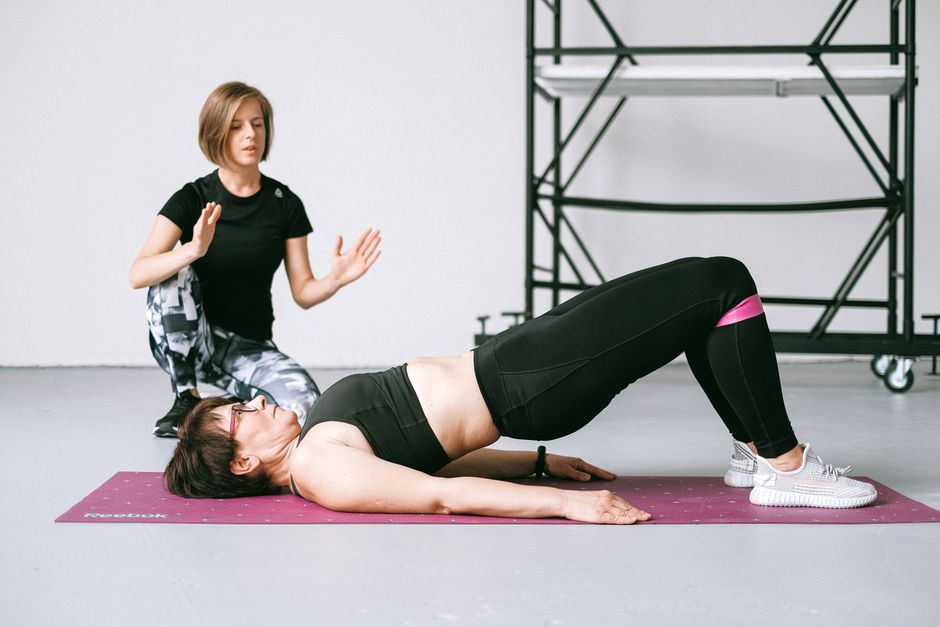
Kegel exercises are the gold standard. The trick is doing them correctly. It’s not about squeezing your butt or your thighs; it’s about lifting the internal muscles as if you are trying to stop the flow of urine or prevent passing gas.
Professional Physiotherapy
In Mangaluru, we have excellent women’s health physiotherapists. They use biofeedback—a method where you can actually see your muscle contractions on a screen—to ensure you are targeting the right area. This is much more effective than doing exercises blindly at home.
Lifestyle Adjustments
- Manage Constipation: Straining on the toilet puts immense pressure on the perineal muscles. Eat plenty of fiber-rich local fruits like papaya and guava.
- Correct Posture: Sitting slumped can weaken the pelvic floor over time. Stand tall!
- Hydrate Smartly: Don’t stop drinking water to avoid leaks; this just irritates the bladder. Drink consistently throughout the day.
Key Takeaways for Mangalorean Moms
- It’s Not Just You: SUI is a common medical condition, not a source of shame.
- Strength is Key: Perineal muscle strength is the best predictor of whether you will experience SUI.
- Get Tested: If you are a young mother in Mangaluru, consider a pelvic floor assessment even if you don’t have symptoms yet.
- Prevention is Better: Early pelvic floor exercises can prevent years of discomfort and social anxiety.
Conclusion: Taking the First Step
Living in a city as vibrant as Mangaluru means you should be able to enjoy every bit of it—from the spicy fish curry at a family lunch to a long walk on Ullal beach—without worrying about “leaking.”
Understanding perineal muscle strength as a predictor of stress urinary incontinence among young parous women in Mangaluru India is the first step toward empowerment. By acknowledging the importance of these hidden muscles, we can move away from the silence and toward a healthier, more confident future for all mothers in our community.
Don’t wait for the “oops” moments to become a daily hurdle. Talk to a healthcare professional today. Your body has done something amazing by bringing life into the world; now, it’s time to give that body the care and strength it deserves.
Frequently Asked Questions (FAQ)
1. Is stress urinary incontinence permanent after childbirth?
No, it doesn’t have to be! In many cases, with proper pelvic floor physical therapy and consistent exercise, SUI can be significantly improved or even completely cured.
2. Can I have SUI even if I had a C-section?
Yes. While vaginal delivery is a major factor, the weight of the baby during nine months of pregnancy also puts significant strain on the pelvic floor, which can lead to muscle weakness regardless of the delivery method.
3. How long does it take to see results from pelvic floor exercises?
Consistency is key. Most women start to notice a difference in 6 to 12 weeks of regular, correctly performed exercises.
4. Where can I get help in Mangaluru?
Mangaluru has several major hospitals and private physiotherapy clinics specializing in women’s health. Look for “Pelvic Floor Physiotherapists” or “Urogynecologists” in areas like Falnir, Kuntikan, or Deralakatte.
5. Are there any activities I should avoid if I have weak perineal muscles?
Until you build up your strength, try to avoid high-impact jumping, heavy weightlifting, or chronic coughing (if you have an allergy, treat it!). Always use the “Knack” technique—squeeze your pelvic floor muscles before you sneeze or lift something.
Written with love and assistance and refined for quality.
🔗 Related: Yes Creatine Can Help With StrengthBut…