In this article, we’ll explore: Period poverty: causes and related issues and why it matters today.
Related:
👉 The Hidden Risk to Your Skeleton: Why Menopause and GLP-1 Drugs Are a "Perfect Storm" for Bone Loss
👉 Why the #BcozSheMatters Campaign is the Wake-Up Call the World Needs for Women’s Health
👉 Beyond the "Oops" Moment: Why Pelvic Strength Matters for Young Moms in Mangaluru
Learn more: Period poverty: causes and related issues on Google Search
Imagine being a fourteen-year-old girl named Amara. Every month, for about five days, Amara stops going to school. She doesn’t have a fever, and she isn’t playing hooky. She stays home because her family has to choose between buying a bag of rice or a pack of menstrual pads. To avoid the embarrassment of leaking through her clothes in class, she stays in her room, using old scraps of cloth that never quite feel clean.
This isn’t just a scene from a movie; it is the daily reality for millions of people globally. This phenomenon is known as period poverty. While it might sound like a niche issue, it is a global health crisis that affects education, the economy, and basic human dignity. In this post, we’re going to dive deep into period poverty: causes and related issues, and look at how we can move toward a more equitable world.
What Exactly is Period Poverty?
Before we get into the “why,” we need to understand the “what.” Period poverty is much more than just not being able to afford pads or tampons. It is a lack of access to menstrual products, hygiene facilities, waste management, and education.
If you have a period but don’t have a private toilet with clean water to wash yourself, or if you don’t have a trash can to discretely dispose of used products, you are experiencing period poverty. It is a “triple threat” of financial, physical, and educational barriers that trap people in a cycle of shame and disadvantage.
Period Poverty: Causes and Related Issues
Understanding the root of the problem is the only way to fix it. The causes of period poverty are often layered, meaning a person rarely faces just one obstacle. Here are the primary drivers behind this crisis.
1. The Financial Burden and the “Pink Tax”
The most obvious cause is the cost. Menstrual products are expensive. In many parts of the world, these items are taxed as “luxury goods” rather than essential healthcare items. This is often referred to as the “Pink Tax.” When you are living on a tight budget, spending $10 a month on tampons can mean cutting back on groceries. For a family with multiple daughters, that cost multiplies, making it an impossible expense.
2. Lack of Infrastructure and Clean Water
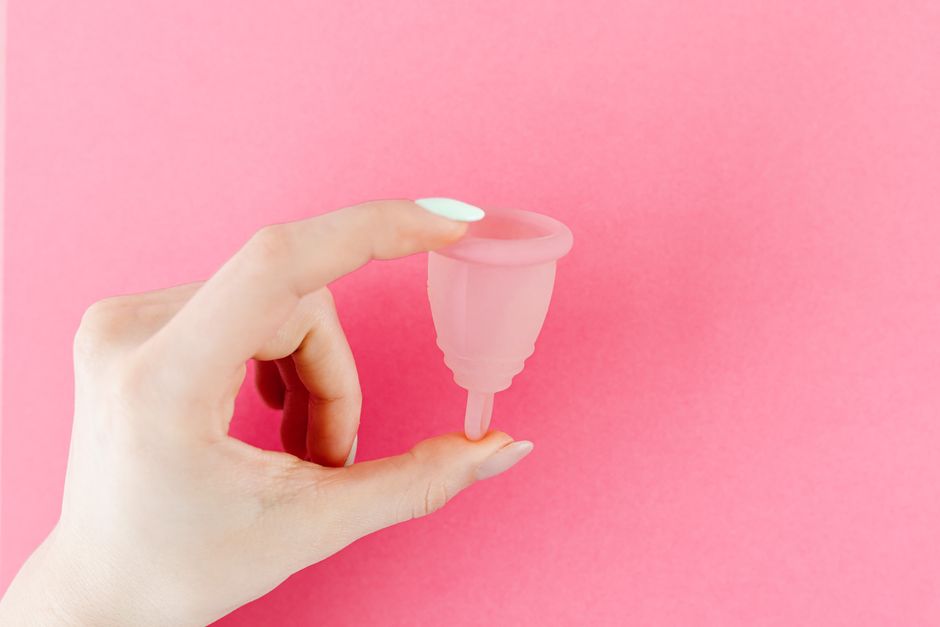
You can give someone a year’s supply of reusable menstrual cups, but if they don’t have access to clean, boiling water to sanitize them, those products become a health hazard. In many developing regions and even in some low-income urban areas, the lack of private, safe, and clean bathrooms makes managing a period nearly impossible.
3. Cultural Stigma and Silence
In many cultures, menstruation is still treated as “dirty” or “taboo.” When people are ashamed to talk about their periods, they don’t ask for help. This silence prevents policymakers from addressing the issue. If the people in charge (who are often men) don’t realize that students are dropping out because of their periods, they won’t build the necessary infrastructure to support them.
4. Lack of Education
Many young people start their first period without knowing what is happening to their bodies. Without proper menstrual health education, they may use unsafe materials or feel that their bodies are “broken.” This lack of knowledge extends to teachers and employers, who may not understand why a student or employee needs extra breaks or a day off.
The Ripple Effect: Related Issues Stemming from Period Poverty
Period poverty doesn’t exist in a vacuum. It triggers a domino effect that touches almost every aspect of a person’s life. When we talk about period poverty: causes and related issues, we have to look at the long-term consequences.
- Education Gaps: According to UNESCO, one in ten girls in Sub-Saharan Africa misses school during their menstrual cycle. Over time, these missed days lead to falling behind and, eventually, dropping out entirely.
- Health Risks: When forced to use substitutes like old rags, newspapers, leaves, or even sand, individuals are at a high risk for urogenital infections, such as yeast infections or bacterial vaginosis. In extreme cases, using a single tampon for too long because you can’t afford another one can lead to Toxic Shock Syndrome (TSS).
- Mental Health and Dignity: The constant fear of “leaking” or “smelling” causes intense anxiety and depression. It strips away a person’s sense of dignity and self-worth, making them feel like their natural bodily functions are a burden to society.
- Economic Impact: If a woman has to miss work every month because she cannot manage her period, she loses income. This keeps her trapped in the cycle of poverty, making it even harder to afford the products she needs.
Real-World Examples of the Crisis
To truly understand the gravity, let’s look at how this plays out in different parts of the world.
The United Kingdom: Choosing Between Food and Hygiene
Even in wealthy nations, period poverty is rampant. A study by Plan International UK found that 1 in 10 girls in the UK have been unable to afford sanitary products. Many girls reported using toilet paper or socks to manage their flow. In response, the UK government eventually abolished the “tampon tax,” but the economic struggle for low-income families remains a hurdle.
Rural India: The Padman Revolution
In rural India, the stigma was so great that women were often banished to “period huts” outside their homes during their cycles. Arunachalam Muruganantham, famously known as “Padman,” realized his wife was using dirty rags because they couldn’t afford pads. He went on to invent a low-cost pad-making machine, proving that local, affordable solutions can change the cultural narrative and improve health outcomes.
The United States: The Homelessness Crisis
For individuals experiencing homelessness in the US, periods are a monthly nightmare. Most shelters receive plenty of food and clothing donations, but menstrual products are rarely donated. Imagine trying to navigate a heavy flow while living in a car or on the street with limited access to a shower. It is a matter of basic human rights that is often overlooked in social services.
How Can We End Period Poverty?
The good news is that this is a solvable problem. It doesn’t require a scientific breakthrough; it requires political will and empathy.
Policy Changes
Governments can follow the lead of countries like Scotland, which became the first country in the world to make period products free for everyone. Removing taxes on these products and mandating that schools and public buildings provide them for free is a massive step forward.
Breaking the Silence
We need to talk about periods. The more we normalize the conversation, the less power the stigma holds. This includes educating boys and men so they can be allies in the fight for menstrual equity.
Supporting Grassroots Organizations
Many non-profits work tirelessly to distribute reusable pads, menstrual cups, and education kits. Supporting these organizations through donations or volunteering can have an immediate impact on someone’s life.
Key Takeaways
- Period poverty is a global issue: It affects people in both developing and developed nations.
- It’s about more than money: Lack of water, sanitation, and education are just as critical as the cost of pads.
- Education is the victim: Millions of students miss school every year because they cannot manage their periods safely.
- Stigma kills progress: The “taboo” nature of menstruation prevents effective policy changes.
- Solutions exist: From tax removal to free products in schools, the roadmap to ending period poverty is clear.
Frequently Asked Questions
Is period poverty only a problem in “poor” countries?
No. While it is more prevalent in developing regions due to infrastructure issues, it is a significant problem in the US, UK, and Europe, especially among students, low-income workers, and the homeless population.
What are the most common health risks associated with period poverty?
The most common risks include bacterial and yeast infections from using unhygienic materials. In rare cases, it can lead to life-threatening conditions like Toxic Shock Syndrome (TSS) if products are used for too long.
How can I help someone experiencing period poverty?
You can donate menstrual products to local food banks or homeless shelters. You can also advocate for “period equity” by asking your workplace or local school board to provide free products in their restrooms.
Are menstrual cups a solution to period poverty?
They can be, as they are reusable and last for years. However, they require access to clean water and a private space to boil and sanitize them. Without those resources, a cup may not be a safe option for everyone.
Period poverty is a quiet crisis, but it doesn’t have to be. By understanding the period poverty: causes and related issues, we can start demanding better for the half of the population that menstruates. No one should have to choose between their education and their dignity.
Written with love and assistance and refined for quality.
🔗 Related: Perineal muscle strength as a predictor…
🔗 Related: Yes Creatine Can Help With StrengthBut…