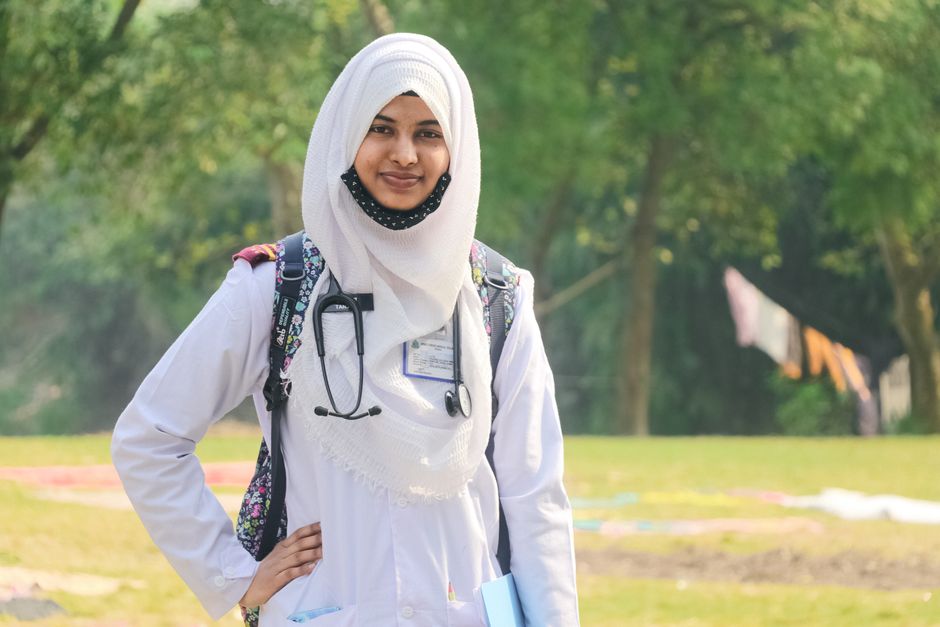
In this article, we’ll explore: BcozSheMatters: WHO Health Ministry roll out campaign on women and girls health and well-being and why it matters today.
Related:
👉 Yes, Creatine Can Help With Strength, But Its Wellness Benefits Go Way Beyond The Gym
👉 The Two Cents Problem: Why Small Barriers Lead to the Long Tail of Period Poverty
👉 The Silent Risk: A Perfect Storm for Bone Loss in Women: Menopause and GLP-1 Weight-Loss Drugs
Learn more: BcozSheMatters: WHO Health Ministry roll out campaign on women and girls health and well-being on Wikipedia
Imagine a world where every woman, regardless of where she lives or how much she earns, has the support she needs to thrive. Think about the women in your life—your mother, your sister, your best friend, or the woman you see every morning at the coffee shop. They are the backbone of our families and the heartbeat of our communities. Yet, for too long, their specific health needs have been pushed to the sidelines.
That is finally changing. With the launch of BcozSheMatters: WHO Health Ministry roll out campaign on women and girls health and well-being, we are seeing a massive shift in how the world views female healthcare. This isn’t just another government initiative filled with dry statistics and complex jargon. It is a movement rooted in the belief that when a woman is healthy, her entire world prospers.
In this post, we’re going to break down what this campaign is all about, why it’s a game-changer, and how it’s going to impact real lives on the ground. Grab a cup of tea, and let’s talk about why she matters.
The Heart of the Movement: What is BcozSheMatters?
At its core, the BcozSheMatters: WHO Health Ministry roll out campaign on women and girls health and well-being is a collaborative effort designed to bridge the gap in healthcare equity. For decades, medical research and healthcare systems were designed with a “one-size-fits-all” approach, often overlooking the unique biological and social needs of women.
The campaign focuses on a holistic view of health. It’s not just about treating an illness; it’s about prevention, mental well-being, nutritional support, and reproductive rights. By bringing together the global expertise of the World Health Organization (WHO) and the localized power of national Health Ministries, the campaign aims to reach the most remote corners of the globe.
Why now? Because the data is clear. We’ve seen a rise in non-communicable diseases among women, a stagnation in maternal mortality improvements in certain regions, and a growing mental health crisis that disproportionately affects girls. The BcozSheMatters campaign is the loud, clear answer to these challenges.
Breaking Down the Pillars of the Campaign
The campaign isn’t just a slogan; it’s built on several key pillars that address the lifecycle of a woman. Let’s look at what these actually look like in practice.
1. Maternal and Reproductive Health
While we’ve made strides in safe childbirth, many women still lack access to basic prenatal and postnatal care. The campaign is rolling out mobile clinics and training thousands of community midwives. The goal is simple: no woman should lose her life while bringing another life into the world.
2. Mental Health and Emotional Well-being
For too long, the “strong woman” trope has forced many to suffer in silence. Whether it’s postpartum depression, the anxiety of balancing work and home, or the trauma of gender-based violence, the BcozSheMatters initiative is setting up dedicated counseling centers and digital helplines. It’s about saying, “It’s okay not to be okay.”
3. Nutritional Security
Anemia and malnutrition still plague millions of girls, affecting their ability to learn and grow. The Health Ministry is working with schools to provide fortified meals and education on balanced diets. When a girl is well-nourished, she has the energy to chase her dreams.
4. Adolescent Health and Education
The campaign recognizes that health starts early. By focusing on menstrual hygiene and reproductive education in schools, the initiative empowers young girls to understand their bodies and demand the care they deserve.
A Story of Change: Meet Amina
To understand the impact of the BcozSheMatters: WHO Health Ministry roll out campaign on women and girls health and well-being, we have to look at the human stories. Let’s talk about Amina, a 28-year-old mother of two living in a rural village.
Before the campaign reached her area, Amina had to walk five miles to the nearest clinic, which was often understaffed. When she felt a persistent lump in her breast, she ignored it—partly out of fear and partly because she couldn’t afford the day off from her farm work. She thought, “My children need to eat; my health can wait.”
Under the BcozSheMatters initiative, a mobile screening van visited Amina’s village. Within thirty minutes, she was screened, and within a week, she was connected to a specialist in the city. The campaign didn’t just provide the medical tech; it provided the transport and the childcare support she needed to attend her appointments. Today, Amina is healthy and back with her family. That is the power of a healthcare system that finally says: “You matter.”
Why This Campaign is Different from the Rest
We’ve seen health campaigns come and go. So, what makes this one special? It’s the “human-first” approach. The WHO and various Health Ministries aren’t just handing out pamphlets; they are changing policy. Here is how they are doing it differently:
- Localization: They aren’t using a “Geneva-style” solution for a village in Southeast Asia. They are working with local leaders to respect cultural nuances while providing modern care.
- Digital Integration: From tele-medicine apps to SMS health alerts, the campaign is using technology to reach women who can’t leave their homes.
- Involving Men and Boys: The campaign recognizes that for women’s health to improve, men need to be allies. Educational programs for men on supporting their partners’ health are a core part of the rollout.
- Long-term Funding: This isn’t a one-month “awareness” drive. It’s a multi-year commitment with dedicated budgets from participating Health Ministries.
The Economic Ripple Effect
There’s a saying in economics: “Invest in a woman, and you invest in a nation.” The BcozSheMatters: WHO Health Ministry roll out campaign on women and girls health and well-being isn’t just a moral imperative; it’s an economic one.
When women are healthy, they participate more fully in the workforce. They are able to ensure their children stay in school. They contribute to the local economy. By reducing the burden of disease and improving maternal outcomes, countries can see a significant boost in their GDP. Health is the foundation of prosperity, and by focusing on the 50% of the population that has been historically underserved, we are unlocking massive global potential.
How Can You Get Involved?
You might be thinking, “This sounds great for governments, but what can I do?” The truth is, a campaign like BcozSheMatters thrives on community support. Here is how you can play a part:
- Spread the Word: Use the hashtag #BcozSheMatters on social media to share stories and information. Awareness is the first step toward advocacy.
- Support Local NGOs: Many local organizations are the “boots on the ground” for this campaign. A small donation or some volunteer time can go a long way.
- Educate Yourself: Read up on the specific health challenges women face in your own community. Knowledge is power.
- Advocate for Change: Talk to your local representatives about supporting health policies that prioritize women and girls.
Key Takeaways
- Holistic Approach: The campaign covers everything from physical health to mental well-being and nutrition.
- Global and Local: A partnership between the WHO and national Health Ministries ensures both expertise and local relevance.
- Breaking Taboos: The initiative tackles sensitive subjects like menstrual health and mental illness head-on.
- Empowerment: By focusing on health, the campaign empowers women to take control of their lives and futures.
- Economic Impact: Better health for women leads to stronger, more resilient economies.
Frequently Asked Questions (FAQ)
What exactly is the BcozSheMatters campaign?
It is a global initiative led by the WHO in partnership with national Health Ministries to prioritize and improve the health and well-being of women and girls through better policy, increased funding, and direct community action.
Who is the primary target of this campaign?
While the campaign aims to benefit all women and girls, there is a specific focus on underserved communities, adolescent girls, and women in rural areas who lack access to traditional healthcare.
How does the campaign address mental health?
BcozSheMatters integrates mental health into primary care. This includes training doctors to recognize signs of depression and anxiety, providing community-based counseling, and launching awareness campaigns to reduce the stigma surrounding mental illness.
Is this campaign only for developing nations?
No. While the challenges might differ, women in developed nations also face health disparities, such as higher maternal mortality rates among minority groups and a lack of focus on menopause. The campaign is a global call to action.
How can I track the progress of the campaign?
The WHO and participating Health Ministries will be releasing annual reports and data dashboards. You can also follow their official social media channels for real-time updates and success stories.
The Bottom Line
The BcozSheMatters: WHO Health Ministry roll out campaign on women and girls health and well-being is more than just a policy shift; it is a promise. It’s a promise to the young girl who wants to stay in school, to the mother who wants to see her children grow up, and to the grandmother who deserves to age with dignity.
We often talk about “changing the world,” but change doesn’t happen in a vacuum. It happens when we realize that the health of a society is measured by how it treats its most vulnerable and its most essential members. It’s time we stop treating women’s health as an afterthought. It’s time we invest, support, and listen. Why? Because she matters. Simple as that.
Written with love and assistance and refined for quality.
🔗 Related: Perineal muscle strength as a predictor…
🔗 Related: Yes Creatine Can Help With StrengthBut…