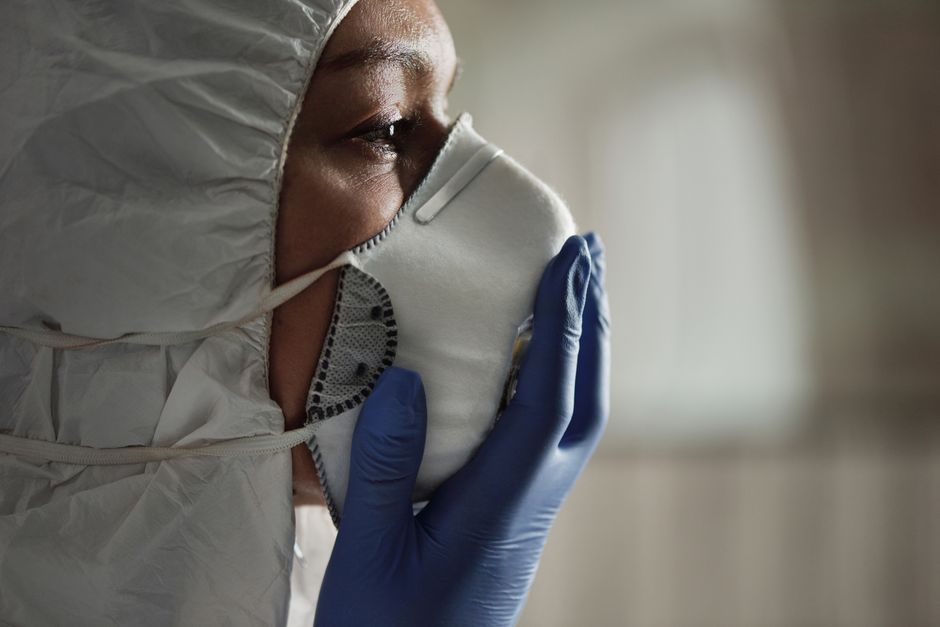
In this article, we’ll explore: BcozSheMatters: WHO Health Ministry roll out campaign on women and girls health and well-being and why it matters today.
Related:
👉 Yes Creatine Can Help With Strength But Its Wellness Benefits Go Way Beyond The Gym
👉 Why Perineal Muscle Strength is the Secret to Post-Baby Confidence for Young Moms in Mangaluru
👉 The Silent Risk: Why Menopause and GLP-1 Drugs Might Be a Perfect Storm for Bone Loss in Women
Think about the strongest woman you know. Maybe it’s your mother, who somehow managed a full-time job and a household without ever seeming to sit down. Maybe it’s a sister, a friend, or a colleague who is always the first to offer help but the last to ask for it. For generations, women have been the backbone of our families and societies, yet ironically, their own health often takes a backseat. They are the caregivers, the nurturers, and the workers, but when it comes to their own well-being, the phrase “I’ll deal with it later” is all too common.
That narrative is finally starting to shift. Recently, a major global movement has taken center stage: BcozSheMatters: WHO Health Ministry roll out campaign on women and girls health and well-being. This isn’t just another government program or a collection of dusty brochures in a clinic. It is a loud, clear, and necessary declaration that the health of women and girls is not a luxury—it is a fundamental human right and a cornerstone of a thriving society.
In this post, we’re going to dive deep into what this campaign actually means, why it’s happening now, and how it aims to change lives from the grassroots level all the way to global policy.
What Exactly is the BcozSheMatters Initiative?
At its heart, the BcozSheMatters: WHO Health Ministry roll out campaign on women and girls health and well-being is a collaborative effort designed to bridge the gap in healthcare equity. For too long, medical research and healthcare delivery have been “male-centric.” From the way drugs are tested to the symptoms we are taught to recognize for heart attacks, women’s unique biological and psychological needs have often been overlooked.
The World Health Organization (WHO), in partnership with national Health Ministries, has launched this campaign to address these disparities. The goal is simple yet ambitious: to ensure that every girl and woman, regardless of where she lives or how much she earns, has access to comprehensive, respectful, and high-quality healthcare.
But it goes beyond just doctors and hospitals. The campaign recognizes that “health” isn’t just the absence of disease. It’s about nutrition, mental clarity, safety from violence, and the power to make decisions about one’s own body. It’s about creating a world where a young girl in a rural village has the same health opportunities as a woman in a bustling metropolis.
The Core Pillars: More Than Just a Checkup
The campaign is built on several key pillars that address the lifecycle of a woman. It’s not just about maternal health—though that remains vital—it’s about every stage of life, from puberty to old age.
1. Maternal and Reproductive Health
While we’ve made strides in reducing maternal mortality, the numbers are still far too high in many parts of the world. The campaign focuses on providing “dignified care.” This means not just surviving childbirth, but having a positive, supported experience. It also emphasizes access to family planning and reproductive education, allowing women to choose their own paths.
2. Mental Health and Emotional Well-being
This is perhaps one of the most “human” parts of the initiative. Women are statistically more likely to experience anxiety and depression, often linked to societal pressures, caregiving burdens, and hormonal changes. BcozSheMatters aims to destigmatize mental health struggles, providing counseling and support systems that are easily accessible at the community level.
3. Preventive Screenings and Non-Communicable Diseases (NCDs)
Conditions like breast cancer, cervical cancer, and heart disease are leading causes of death among women. The campaign is rolling out massive screening drives. The idea is to catch issues early when they are most treatable. Imagine a mobile clinic visiting a remote town to provide free Pap smears and mammograms—that is the BcozSheMatters campaign in action.
4. Nutrition and Adolescent Health
Healthy women start as healthy girls. By focusing on nutrition and iron deficiencies (anemia) in adolescent girls, the campaign is investing in the future. It’s about teaching young girls that their bodies are worth taking care of long before they become mothers or workers.
Breaking the Silence: Menstruation and Menopause
One of the most refreshing aspects of the BcozSheMatters: WHO Health Ministry roll out campaign on women and girls health and well-being is its willingness to talk about things that were once considered “taboo.”
Take menstruation, for example. In many cultures, girls still miss school because they lack sanitary products or feel ashamed. The campaign works to provide “period dignity” by ensuring access to clean water, private facilities, and affordable supplies. By normalizing these conversations, we empower girls to stay in school and reach their full potential.
Then there’s menopause. For decades, women were expected to just “suffer through” the hot flashes, mood swings, and bone density loss associated with the end of their reproductive years. BcozSheMatters is bringing menopause into the spotlight, providing medical guidance and workplace support for women navigating this transition. It’s a recognition that a woman’s value doesn’t end when her childbearing years do.
Real-World Impact: Sarah’s Story
To understand why this matters, let’s look at a hypothetical—but very realistic—example. Meet Sarah, a 34-year-old mother of three living in a semi-urban area. Sarah works at a local retail store and spends her evenings caring for her kids and her aging father-in-law.
For months, Sarah felt a persistent fatigue and a dull ache in her chest. She brushed it off as “just being tired.” She didn’t want to take a day off work or spend money on a doctor’s visit that might be “nothing.”
Under the BcozSheMatters initiative, Sarah’s local community center hosted a “Women’s Wellness Saturday.” There was free childcare, and the atmosphere was welcoming rather than clinical. Sarah went, thinking she’d just get her blood pressure checked. The healthcare providers there, trained through the campaign’s new protocols, recognized her fatigue as a potential symptom of a thyroid issue and early-stage hypertension. They didn’t just give her pills; they gave her a nutrition plan and connected her with a local support group for working moms.
Because the campaign made healthcare accessible and relatable, Sarah caught a problem before it became a crisis. She stayed healthy for her kids, stayed productive at her job, and felt seen by her community. That is the ripple effect of BcozSheMatters.
Why This Campaign is Different
We’ve seen health campaigns before, so what makes this one special? It’s the “human-centric” approach. The WHO and various Health Ministries aren’t just talking at women; they are listening to them. The campaign involves community leaders, grandmothers, and young activists to ensure the message resonates locally.
Moreover, it leverages technology. From SMS health reminders to tele-health consultations for women in conservative areas who might feel uncomfortable visiting a male doctor, the campaign is using 21st-century tools to solve age-old problems.
Key Takeaways from the BcozSheMatters Campaign
- Holistic Approach: It covers physical, mental, and social well-being across all ages.
- Equity: It focuses on reaching the most vulnerable—rural women, refugees, and those in low-income brackets.
- Taboo Breaking: It tackles menstruation, menopause, and domestic violence head-on.
- Prevention-First: A heavy emphasis on early screening for cancers and chronic diseases.
- Community-Led: Success depends on local involvement and changing societal attitudes toward women’s health.
How Can You Support the Movement?
You don’t have to be a doctor to be part of the BcozSheMatters: WHO Health Ministry roll out campaign on women and girls health and well-being. Change starts with conversation.
- Educate Yourself: Learn about the specific health risks women face at different ages.
- Encourage the Women in Your Life: If your mother or friend has been putting off a checkup, offer to go with them or watch their kids so they can go.
- Speak Up: Use your social media platforms to share information and destigmatize topics like mental health or menstrual hygiene.
- Support Local Initiatives: Look for clinics or NGOs in your area that align with the campaign’s goals and volunteer or donate.
Final Thoughts
The launch of the BcozSheMatters campaign is a milestone in global health. It is a reminder that when we invest in a woman’s health, we aren’t just helping one person. We are helping her children, her family, her workplace, and her community. A healthy woman is a powerful force for change. It’s time we stopped expecting women to be “superheroes” who don’t need care, and started providing them with the support they’ve earned. Because, truly, she matters.
Frequently Asked Questions (FAQ)
1. What is the main goal of the BcozSheMatters campaign?
The main goal is to improve the overall health and well-being of women and girls globally by ensuring equal access to healthcare, promoting preventive screenings, and addressing mental health and reproductive rights.
2. Who is behind this initiative?
The campaign is a collaborative effort between the World Health Organization (WHO) and national Health Ministries across various participating countries.
3. Does the campaign only focus on pregnancy?
No. While maternal health is a major component, the campaign covers the entire lifespan of a woman, including adolescent health, preventive care for chronic diseases, and elderly care (including menopause support).
4. How can I find BcozSheMatters services in my area?
You can check with your local government health department or visit the official WHO website for updates on regional rollouts and participating community clinics.
5. Why is the campaign called “BcozSheMatters”?
The name is a call to action and a reminder that for too long, women’s health has been secondary. It emphasizes that a woman’s well-being is a priority for the entire world.
6. Is there a focus on mental health?
Yes, mental health is one of the core pillars. The campaign aims to provide better access to counseling and to reduce the stigma surrounding issues like postpartum depression and anxiety.
Written with love and assistance and refined for quality.
🔗 Related: A perfect storm for bone loss…
🔗 Related: Perineal muscle strength as a predictor…
🔗 Related: Yes Creatine Can Help With StrengthBut…