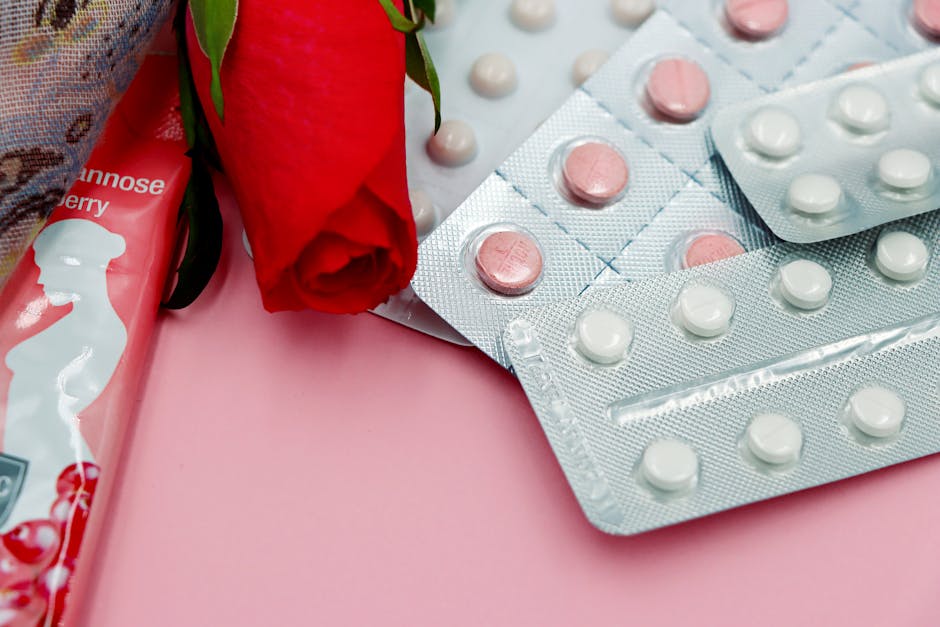
In this article, we’ll explore: Hormonal mechanisms of womens risk in the face of traumatic stress and why it matters today.
Related:
👉 PCOS and Fertility: Unpacking the Endometrial Mystery of ER and Histone Lactylation
👉 Navigating the Queasy: 8 Foods To Avoid With an Upset Stomach and What To Eat Instead
👉 Unlocking the Mystery: Why Women with PCOS Face Fertility Challenges, and What New Research Reveals About Endometrial Receptivity, ER, and Histone Lactylation
Learn more: Hormonal mechanisms of womens risk in the face of traumatic stress on Wikipedia
Life throws curveballs at all of us. Sometimes, those curveballs are devastatingly sharp, leaving wounds far deeper than what the eye can see. We call these experiences trauma, and their aftermath, whether it’s anxiety, depression, or the more specific diagnosis of Post-Traumatic Stress Disorder (PTSD), can feel like an invisible burden. While trauma doesn’t discriminate based on gender, the way our bodies and minds respond to it often does. Have you ever wondered why women are almost twice as likely as men to develop PTSD after experiencing a traumatic event? Why does the lingering shadow of a past trauma seem to cling more stubbornly to some women, affecting their daily lives, their relationships, and their overall well-being?
It’s a complex question, one that goes far beyond social factors or societal expectations. While those certainly play a role, there’s a powerful, often overlooked player in this drama: our hormones. Deep within the intricate symphony of the female body, a delicate dance of chemical messengers—estrogen, progesterone, cortisol, and others—is constantly unfolding. These hormonal fluctuations don’t just dictate our menstrual cycles or reproductive health; they profoundly influence our brain chemistry, our mood, our memory, and crucially, our vulnerability and resilience when confronted with overwhelming stress. Understanding the **hormonal mechanisms of women’s risk in the face of traumatic stress** isn’t just academic; it’s a crucial step towards better support, more targeted treatments, and a deeper empathy for the unique challenges women face in healing from trauma.
The Unseen Battle: Why Trauma Hits Women Differently
Imagine two people, a man and a woman, both witnessing a horrific car accident. Both are shaken, both experience fear. Yet, statistics tell us that the woman is significantly more likely to develop lasting symptoms of PTSD. This isn’t to say men don’t suffer profoundly; they absolutely do. But the *pattern* of response, the *likelihood* of developing chronic symptoms, shows a clear gender disparity.
For years, the focus was often on the types of trauma women disproportionately experience (e.g., sexual assault, domestic violence), which are often interpersonal and carry complex layers of betrayal and powerlessness. While these factors are undeniably critical, research increasingly points to a biological underpinning that amplifies women’s vulnerability. Our biology isn’t a destiny, but it’s a powerful predisposition, and ignoring it means missing a huge piece of the puzzle in understanding and treating trauma.
Estrogen, Progesterone, and the Stress Response – A Hormonal Dance
At the heart of this biological difference lie the primary female sex hormones: estrogen and progesterone. These aren’t just for reproduction; they are potent neurosteroids, meaning they act directly on the brain, influencing everything from mood to memory to how we process fear.
Estrogen: A Double-Edged Sword?
Estrogen, often celebrated for its role in female health, is a fascinating and complex hormone when it comes to stress. On one hand, it can be protective. It tends to enhance the activity of serotonin, a “feel-good” neurotransmitter, and can even boost brain-derived neurotrophic factor (BDNF), which is like fertilizer for brain cells, promoting growth and repair. This might sound like it should make women *less* vulnerable, right?
However, estrogen’s effects are highly dependent on its levels and the specific brain regions it’s acting upon. When estrogen levels are *high* (like during the follicular phase of the menstrual cycle, leading up to ovulation), it can actually make the amygdala – our brain’s fear center – more active and sensitive. This means that during certain times of the month, women might be more prone to experiencing fear, anxiety, and a heightened stress response. Imagine being in a stressful situation, and your internal alarm system is already dialed up to 11 because of your hormonal state – it’s a recipe for a more intense and potentially lasting impact.
Conversely, fluctuating estrogen levels, particularly drops, can disrupt the delicate balance of stress hormones and neurotransmitters, potentially making the brain less resilient to trauma’s impact. It’s like a finely tuned instrument that’s constantly being retuned; sometimes it hits a perfect note, other times it’s slightly off-key, making it harder to play a harmonious tune when faced with a sudden storm.
Progesterone and its Calming Counterpart, Allopregnanolone
If estrogen is the conductor of the orchestra, progesterone often plays a more calming, background role. Progesterone itself doesn’t directly calm us, but its metabolite, allopregnanolone (ALLO), is a superstar when it comes to anxiety reduction. ALLO acts like a natural Valium in our brains, enhancing the effects of GABA, the primary inhibitory neurotransmitter that puts the brakes on overactive brain activity. It helps us feel calm, centered, and less reactive to stress.
Here’s where the plot thickens for trauma:
* **Drops in Progesterone:** After ovulation, during the luteal phase of the menstrual cycle, progesterone levels rise and then fall dramatically just before menstruation. Similarly, progesterone plummets after childbirth. During these periods of low progesterone, ALLO levels also drop. Without this natural calming agent, the brain’s stress response system can become overactive, making women more susceptible to anxiety, panic, and the lasting impacts of trauma.
* **Implications for Trauma:** If a traumatic event occurs when progesterone/ALLO levels are low, a woman might have less natural internal resilience to buffer the shock. Her brain might struggle more to “turn off” the fear response, leading to a more entrenched trauma memory and a higher risk of PTSD. This could explain why some women experience heightened anxiety or even flashbacks during specific phases of their cycle.
The Cortisol Connection: Fight, Flight, or Freeze – and How Hormones Tune It
When we encounter danger, our bodies unleash a cascade of stress hormones, primarily cortisol, through what’s known as the HPA (hypothalamic-pituitary-adrenal) axis. This is our ancient “fight, flight, or freeze” system, designed to help us survive. While men and women both have this system, female hormones significantly influence its function.
Research suggests that women’s HPA axis can react differently to stress. Sometimes, women might have a more robust initial cortisol response, meaning they flood their system with stress hormones more quickly. Other times, the HPA axis in women might become *dysregulated* after trauma, leading to either chronically high cortisol or, paradoxically, blunted cortisol responses. Both extremes can be problematic:
* **High Cortisol:** Can lead to chronic anxiety, difficulty sleeping, impaired memory consolidation (making it harder to process the trauma), and even physical health issues.
* **Blunted Cortisol:** Might mean the body isn’t effectively “turning off” the stress response, leading to a persistent feeling of being on edge, or it could impair the ability to learn from fear, making it harder to overcome avoidance behaviors.
Furthermore, women are also more likely to exhibit a “tend and befriend” response to stress, characterized by protecting offspring and seeking social support, rather than the classic “fight or flight.” This response is mediated in part by oxytocin, often called the “love hormone,” which is influenced by estrogen. While tend and befriend can be adaptive, it can also lead to different types of stress and trauma responses, such as hypervigilance for the safety of others or difficulty setting boundaries.
The Lifespan Lens: Hormonal Shifts and Vulnerability
The impact of hormones on trauma risk isn’t static; it changes throughout a woman’s life, corresponding to major hormonal shifts.
Adolescence: A Time of Heightened Sensitivity
Puberty is a period of dramatic hormonal changes, with fluctuating levels of estrogen and progesterone. The adolescent brain is also still developing, particularly the prefrontal cortex, which is responsible for reasoning and emotional regulation. This combination of hormonal volatility and an immature regulatory system can make adolescent girls particularly vulnerable to the long-term effects of trauma. A traumatic event during these formative years can leave a profound and lasting imprint.
Pregnancy and Postpartum: A Rollercoaster of Hormones
Pregnancy brings about massive hormonal surges, followed by an equally dramatic drop in estrogen and progesterone immediately after childbirth. This postpartum period is a time of immense physical and emotional change, making women incredibly susceptible to mood disorders and heightened stress responses. If a traumatic birth experience or other traumatic event occurs during this window, the sudden hormonal crash can exacerbate the risk of developing postpartum PTSD or severe anxiety, making it harder to bond with the baby or navigate the demands of new motherhood.
Perimenopause and Menopause: Another Critical Window
As women approach perimenopause and menopause, estrogen and progesterone levels begin to decline erratically and eventually stabilize at much lower levels. This period can bring about hot flashes, sleep disturbances, and mood swings, but it can also re-open a window of vulnerability to stress and trauma. The loss of estrogen’s neuroprotective effects and the reduction in progesterone’s calming influence can make women more susceptible to anxiety, depression, and a resurgence of past trauma symptoms. It’s not uncommon for women to experience anxiety or panic attacks for the first time during perimenopause, or find that old trauma memories resurface with renewed intensity.
Beyond Biology: The Interplay of Hormones, Environment, and Experience
It’s crucial to remember that while hormonal mechanisms are powerful, they don’t exist in a vacuum. A woman’s unique genetic makeup, her personal history of stress and trauma, her social support system, cultural factors, and even nutritional status all interact with her hormonal landscape. For instance, chronic stress from adverse life circumstances can further dysregulate hormonal systems, creating a vicious cycle that makes healing even more challenging.
Understanding these biological underpinnings isn’t about reducing women to their hormones; it’s about empowering us with knowledge. It allows us to advocate for more personalized, gender-informed approaches to mental health care, recognizing that a treatment plan that works for a man might need adjustments for a woman, especially one navigating significant hormonal transitions.
Key Takeaways
- Women are almost twice as likely as men to develop PTSD after trauma, a disparity partly explained by unique biological factors.
- Estrogen and progesterone, the primary female sex hormones, profoundly influence brain regions involved in fear, mood, and memory.
- Fluctuating estrogen levels can impact the amygdala’s sensitivity, potentially increasing vulnerability to fear and anxiety during certain menstrual cycle phases.
- Progesterone’s metabolite, allopregnanolone (ALLO), acts as a natural calming agent. Drops in ALLO (e.g., pre-menstrually, postpartum) can reduce resilience to stress and trauma.
- Female hormones interact with the HPA axis (stress response system), potentially leading to prolonged or dysregulated cortisol responses after trauma.
- Key life stages with significant hormonal shifts—adolescence, pregnancy/postpartum, and perimenopause/menopause—represent critical windows of heightened vulnerability to traumatic stress.
- Understanding these hormonal mechanisms is vital for developing more effective, gender-sensitive trauma treatments and support strategies for women.
Frequently Asked Questions (FAQ)
Q1: Can birth control pills affect how a woman responds to trauma?
A1: Yes, potentially. Birth control pills introduce synthetic hormones that can suppress natural hormonal fluctuations. While this might stabilize mood for some, for others, it could alter the brain’s natural response to stress. Research is ongoing, but some studies suggest that synthetic hormones might impact how the brain processes fear and memory, which could influence trauma vulnerability or recovery.
Q2: If I’m going through menopause, am I more likely to experience PTSD symptoms?
A2: While not all women will, the perimenopausal and menopausal periods are indeed times of increased vulnerability. The decline in estrogen and progesterone can make the brain less resilient to stress and more prone to anxiety and mood disturbances. If you have a history of trauma, these hormonal shifts can sometimes trigger a re-emergence or intensification of PTSD symptoms. Seeking support during this time is especially important.
Q3: What can women do to mitigate the hormonal impact on trauma risk?
A3: While you can’t stop natural hormonal cycles, you can support overall hormonal balance and stress resilience. This includes maintaining a healthy lifestyle (balanced diet, regular exercise, adequate sleep), managing chronic stress through practices like mindfulness or yoga, and building a strong support system. If you’ve experienced trauma, seeking trauma-informed therapy (like EMDR or CBT) that considers your unique biological and life stage factors can be incredibly beneficial. Discussing your hormonal health with your doctor is also a great step.
Q4: Does this mean men don’t have hormonal responses to trauma?
A4: Not at all! Men also have hormonal responses to trauma, primarily involving testosterone and cortisol. However, the *patterns* and *mechanisms* often differ. For example, some research suggests that lower testosterone levels in men after trauma might be linked to increased PTSD risk. Both genders experience a complex interplay of hormones and stress, but the specific dynamics and vulnerabilities often diverge.
Understanding the intricate interplay between our hormones and our brain’s response to traumatic stress is a powerful step forward. It allows us to move beyond simply acknowledging gender differences to truly appreciating the profound biological underpinnings that shape a woman’s journey through trauma and healing. By shedding light on these often-invisible mechanisms, we can foster greater empathy, develop more effective and personalized treatments, and ultimately empower women to navigate the path to recovery with greater strength and understanding.
Written with love and assistance and refined for quality.
{“@context”:”https://schema.org”,”@type”:”Article”,”headline”:”Unpacking the Invisible Burden: How Hormonal Mechanisms Shape Women’s Risk in the Face of Traumatic Stress”,”description”:”In this article, weu2019ll explore: Hormonal mechanisms of womens risk in the face of traumatic stress and why it matters…”,”author”:{“@type”:”Person”,”name”:”rahuljait”},”datePublished”:”2026-05-14T12:37:12+00:00″,”dateModified”:”2026-05-14T12:37:12+00:00″,”mainEntityOfPage”:”https://healthyworldz.com/unpacking-the-invisible-burden-how-hormonal-mechanisms-shape-womens-risk-in-the-face-of-traumatic-stress-2/”,”image”:[“https://healthyworldz.com/wp-content/uploads/2026/05/hormonal-mechanisms-of-womens-risk-in-the-face-of-traumatic-stress-104.jpg”]}
🔗 Related: 8 Foods To Avoid With an…
🔗 Related: Women with polycystic ovary syndrome exhibit…
🔗 Related: Hormonal mechanisms of womens risk in…