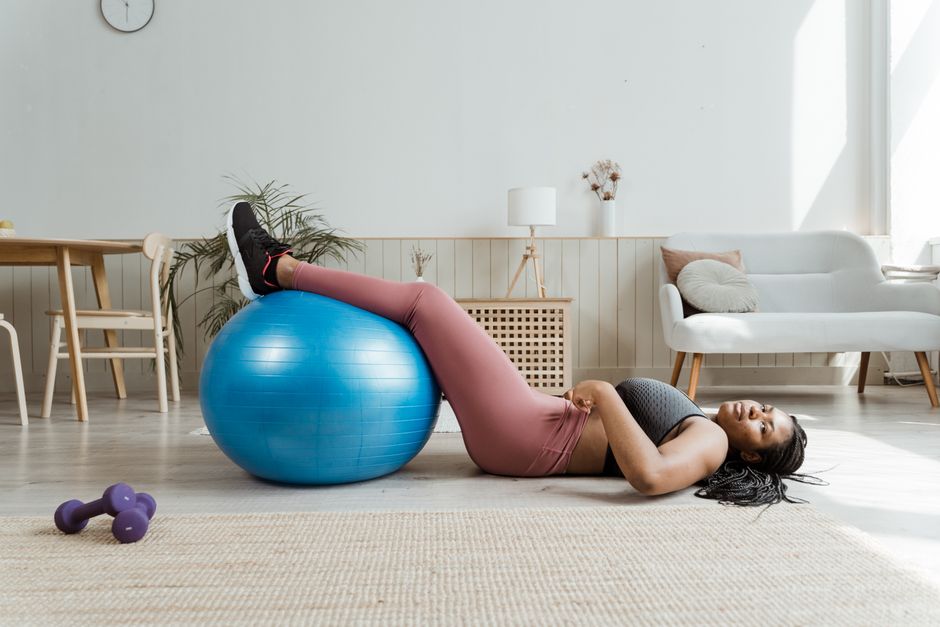
In this article, we’ll explore: Perineal muscle strength as a predictor of stress urinary incontinence among young parous women in Mangaluru India and why it matters today.
Related:
👉 Why Young Moms in Mangaluru Shouldn't Ignore "The Leak": Understanding Perineal Muscle Strength and SUI
👉 AAX Biotech Enters Next Phase of Collaboration with Daiichi Sankyo Following Initial Evaluation of Opti-mAb Technology
👉 Sip Your Way to a Happy Belly: The Best Late-Night Drink for Gut Health According to a Dietitian
Imagine you’re enjoying a sunny afternoon at Panambur Beach with your family. Your toddler does something hilarious, and you burst out laughing. But in that moment of joy, you feel a familiar, uncomfortable dampness. You quickly cross your legs, the laughter fading into a flush of embarrassment. If this sounds like your reality, you aren’t alone—and it’s time we started talking about it openly.
In the coastal city of Mangaluru, known for its vibrant culture and prestigious healthcare institutions, thousands of young mothers are quietly dealing with a condition called Stress Urinary Incontinence (SUI). While it’s often dismissed as a “normal part of motherhood,” the truth is more nuanced. Recent focus on perineal muscle strength as a predictor of stress urinary incontinence among young parous women in Mangaluru India has shed light on how we can identify, treat, and even prevent this issue.
In this post, we’re going to dive deep into what’s happening with your body, why Mangalurean women might be particularly affected, and how understanding your muscle strength can be the key to reclaiming your confidence.
What Exactly is Stress Urinary Incontinence (SUI)?
Before we get into the science, let’s clear up the name. “Stress” in this context doesn’t mean emotional stress (though it certainly causes that!). It refers to physical pressure. SUI is the involuntary leakage of urine when you cough, sneeze, laugh, jump, or lift something heavy.
For young parous women—women who have given birth—the pelvic floor undergoes a massive transformation. Think of your perineal muscles as a sturdy hammock that holds your bladder, uterus, and bowel in place. During pregnancy and childbirth, that hammock is stretched, sometimes to its limit. If that hammock loses its “bounce” or strength, it can no longer support the urethra properly when sudden pressure (like a sneeze) occurs. The result? A leak.
The Reality for Young Mothers in Mangaluru
Mangaluru is a unique hub. We have a mix of traditional lifestyles and a fast-paced modern environment. Many young mothers here are juggling professional careers in IT or healthcare while managing traditional household expectations. Often, in the hustle of caring for a newborn and returning to work, “self-care” falls to the bottom of the list.
Culturally, many women in our region are taught to be stoic. We don’t talk about “down there” problems at the dinner table. But by ignoring the weakening of these muscles, many women in Mangaluru are living with a lower quality of life than they deserve.
Why Perineal Muscle Strength is the Ultimate Predictor
You might wonder, “Why does one woman leak after one baby, while another doesn’t after three?” This is where the concept of perineal muscle strength as a predictor of stress urinary incontinence among young parous women in Mangaluru India becomes so important.
Researchers and physiotherapists have found that the actual strength and “tone” of the perineal muscles (the muscles between the vagina and the anus) are the most reliable indicators of whether a woman will develop SUI. It’s not just about the fact that you gave birth; it’s about how those specific muscles recovered afterward.
If we can measure this strength early—perhaps during a six-week postpartum checkup at a local clinic in Kuntikan or Hampankatta—we can predict who is at risk. This allows for early intervention before the problem becomes a daily struggle.
Real-Life Story: Priya’s Journey in Bejai
Let’s look at Priya (name changed), a 29-year-old software engineer living in Bejai. After her first son was born via a normal vaginal delivery, she noticed she couldn’t join her friends for their usual badminton sessions at the local club. Every time she lunged for the shuttlecock, she leaked.
“I thought I was just ‘broken’ after the baby,” Priya shared. “I stopped playing sports, I stopped wearing light-colored leggings, and I even started drinking less water, which made me feel exhausted.”
Priya eventually consulted a specialist who focused on pelvic floor health. They assessed her perineal muscle strength and found it was significantly lower than average for her age. By focusing on targeted exercises rather than just “waiting for it to get better,” Priya was back on the badminton court within four months. Her story highlights that weakness is a predictor, but it doesn’t have to be a permanent sentence.
Factors That Weaken the “Hammock”
In the context of Mangaluru’s demographic, several factors contribute to weakened perineal muscles:
- Multiple Pregnancies: Each pregnancy adds cumulative strain to the pelvic floor.
- Mode of Delivery: While SUI happens to both C-section and vaginal birth moms, prolonged pushing phases can specifically stretch the perineal tissues.
- Lifting Habits: In many Indian households, young moms are back to lifting heavy buckets of water or large grocery bags shortly after delivery.
- Nutritional Factors: A lack of collagen-supporting nutrients in the diet can affect how tissues heal.
- Lack of Awareness: Many women in Mangaluru are unaware that pelvic floor physiotherapy even exists.
How Can You Test Your Own Strength?
While a professional assessment using a perineometer (a medical device) is the most accurate way to measure perineal muscle strength as a predictor of stress urinary incontinence among young parous women in Mangaluru India, you can do a simple “awareness check” at home.
Next time you are using the restroom, try to stop the flow of urine mid-stream. If you can do it easily, your muscles have decent tone. If you can’t stop it at all, or if it feels very difficult, your perineal muscles likely need some attention. (Note: Don’t do this regularly as it can confuse your bladder; just do it once to check!)
The “Squeeze and Lift” Test
Sit comfortably and try to squeeze the muscles you would use to avoid passing gas. You should feel a “squeeze and lift” sensation. If you feel a “pushing down” sensation instead, you might be using the wrong technique, which can actually make SUI worse.
Steps to Stronger Muscles and a Leak-Free Life
If you suspect your perineal muscle strength is low, don’t panic. The body is incredibly resilient. Here is how you can start improving things today:
1. Master the Kegel
Kegels are the gold standard for perineal strength. The key is consistency. Squeeze for 5 seconds, relax for 5 seconds, and repeat 10 times, thrice a day. You can do these while waiting in traffic at Jyothi Circle or while cooking your favorite fish curry!
2. Watch Your Posture
Slumping puts extra pressure on your pelvic floor. Sitting tall helps align your organs so the perineal muscles don’t have to work overtime just to hold everything up.
3. Manage Your “Pressure”
If you have a chronic cough (common during the monsoon season in Mangaluru) or suffer from constipation, you are putting constant pressure on your pelvic floor. Treat the cough and eat plenty of fiber (like local red rice and vegetables) to avoid straining on the toilet.
4. Seek Professional Help
Mangaluru is home to some of the best physiotherapists in the country. Don’t be shy about asking your OB-GYN for a referral to a pelvic floor specialist. They can provide biofeedback sessions that show you exactly how your muscles are performing.
Key Takeaways
- Strength is Key: Perineal muscle strength is the best predictor of whether you will experience SUI.
- It’s Common, Not Normal: Just because your mother or aunt had “leaks” doesn’t mean you have to live with them.
- Early Detection: Identifying weakness early in young parous women can prevent long-term complications.
- Mangaluru Resources: We have excellent healthcare facilities; utilize them to get a proper assessment.
- Exercise Works: Targeted pelvic floor training can significantly improve or even cure SUI.
Frequently Asked Questions (FAQ)
1. Can I have SUI even if I had a C-section?
Yes. While vaginal delivery can stretch the perineal muscles, the pregnancy itself puts nine months of weight and pressure on the pelvic floor. Many women who have C-sections still experience SUI due to this prolonged strain.
2. Is it ever too late to start pelvic floor exercises?
Never! Whether you gave birth six months ago or sixteen years ago, your muscles can still respond to training. However, the earlier you start, the faster you’ll see results.
3. How long does it take to see results?
Most women notice a difference in 6 to 12 weeks of consistent pelvic floor exercises. Like any other muscle, it takes time to build strength and coordination.
4. Will losing weight help my SUI?
Yes, often. Excess weight around the abdomen puts extra pressure on the bladder and the pelvic floor. Combining weight management with muscle strengthening is a very effective strategy.
5. Is SUI only a problem for older women?
Absolutely not. This is a common myth. Many young, fit, parous women in Mangaluru experience SUI. Age is a factor, but muscle strength is the more important predictor.
Final Thoughts
Living in a beautiful city like Mangaluru means enjoying life to the fullest—from the spicy aromas of the street food to the laughter shared with friends at a café. Don’t let the fear of a leak hold you back from these moments. By understanding that perineal muscle strength as a predictor of stress urinary incontinence among young parous women in Mangaluru India is a scientific reality, you can take the first step toward strengthening your body and regaining your freedom.
You’ve done the incredible work of bringing life into the world. Now, it’s time to do a little work for yourself. Start your exercises today, talk to a professional, and let’s make “the laugh-leak” a thing of the past!
Written with love and assistance and refined for quality.
🔗 Related: Yes Creatine Can Help With StrengthBut…