In this article, we’ll explore: 8 Foods To Avoid With an Upset Stomachand What To Eat Instead and why it matters today.
Related:
👉 Unpacking the Invisible Burden: How Hormonal Mechanisms Shape Women's Risk in the Face of Traumatic Stress
👉 PCOS and Fertility: Unpacking the Endometrial Mystery of ER and Histone Lactylation
👉 Navigating the Queasy: 8 Foods To Avoid With an Upset Stomach and What To Eat Instead
Learn more: 8 Foods To Avoid With an Upset Stomachand What To Eat Instead on Wikipedia
Ah, the dreaded upset stomach. We’ve all been there, haven’t we? That uncomfortable churning, the unsettling gurgles, the sudden dash to the bathroom… It’s a truly miserable experience that can throw your entire day (or night!) off course. When your tummy is feeling tender, the last thing you want to do is make it worse. Yet, it’s surprisingly easy to accidentally fuel the fire with the wrong food choices, even when you’re trying to be helpful.
Think about it: have you ever reached for a comforting bowl of chili only to regret it deeply an hour later? Or perhaps you thought a fizzy drink would settle things, only to feel more bloated than before? You’re not alone. Our digestive system is a complex beast, and when it’s out of whack, it needs gentle care, not a culinary challenge. The good news? Making smart food choices can significantly speed up your recovery and bring much-needed relief.
That’s why we’re diving deep today into the critical topic of what to put on your plate (and what to steer clear of) when your stomach is staging a protest. We’re going to explore the 8 foods to avoid with an upset stomach and what to eat instead, arming you with the knowledge to soothe your gut and get back to feeling like yourself again. So, grab a warm cup of herbal tea (already a good choice!), and let’s get started on your path to digestive peace.
The Culinary Culprits: 8 Foods to Sidestep When Your Stomach is Sour
When your gut is feeling delicate, certain foods act like unwelcome guests, stirring up trouble and prolonging your discomfort. Let’s identify these troublemakers so you can avoid them like the plague until your stomach is back on track.
1. Spicy Foods: The Fiery Foe
There’s a time and a place for a kick of chili, but an upset stomach is definitely not it. Capsaicin, the compound that gives peppers their heat, can irritate the delicate lining of your stomach and intestines, leading to increased burning, pain, and even diarrhea. Imagine pouring hot sauce on an open wound – that’s essentially what you’re doing to your inflamed digestive tract.
- What to Eat Instead: Opt for bland, comforting foods. Think plain rice, boiled potatoes, or toast. If you need flavor, a pinch of salt or a mild herb like parsley or oregano (in moderation) is your best bet.
2. Fried and Fatty Foods: The Heavy Hitters
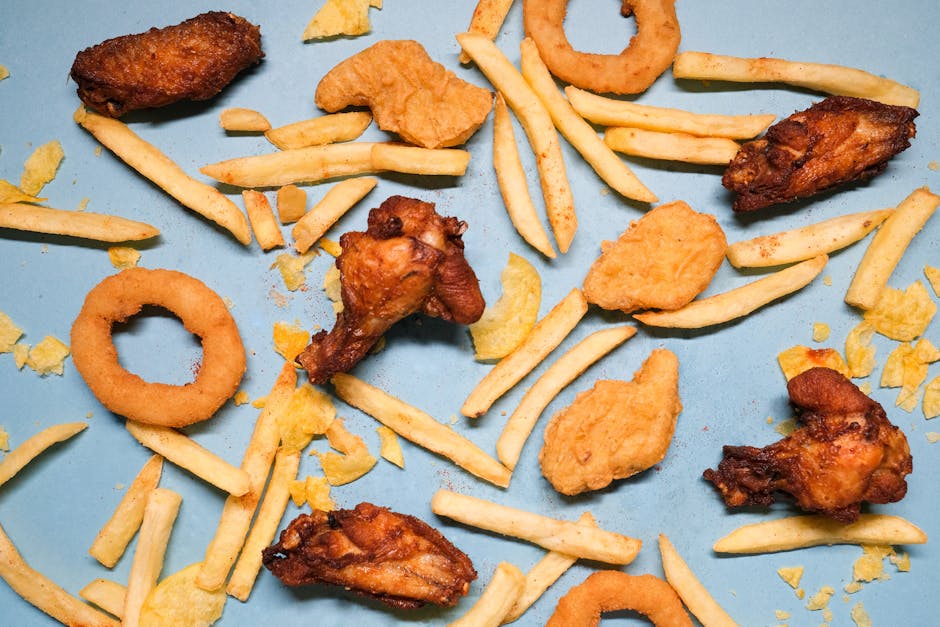
Oh, the allure of crispy fried chicken or a greasy burger! But when your stomach is upset, these foods are a major no-go. Foods high in fat are notoriously difficult for your body to digest. They sit in your stomach for longer, requiring more digestive effort, which can exacerbate nausea, bloating, and indigestion. It’s like asking a tired engine to tow a heavy load up a steep hill.
- What to Eat Instead: Focus on lean proteins prepared gently. Baked chicken breast, steamed fish, or scrambled eggs are excellent choices. For healthy fats, a small amount of avocado might be tolerated, but always listen to your body.
3. Dairy Products (Especially for the Lactose Intolerant)
While dairy can be a source of comfort for many, it can be a significant problem for an upset stomach, particularly if you’re lactose intolerant (even mildly so). Lactose, the sugar in milk, requires a specific enzyme (lactase) to break down. When your digestive system is already compromised, lactase production can be temporarily reduced, leading to gas, bloating, cramps, and diarrhea. Even if you don’t normally have issues, a sensitive stomach might react poorly.
- What to Eat Instead: If you suspect dairy is an issue, try lactose-free alternatives like almond milk or oat milk. Small amounts of plain yogurt with live cultures might be tolerated by some, as the probiotics can actually help, but start very small.
4. Caffeinated Beverages and Alcohol: The Dehydrators & Irritants
That morning coffee might be your ritual, but caffeine is a stimulant that can increase stomach acid production and act as a diuretic, leading to dehydration – both bad news for an upset tummy. Alcohol is an even bigger culprit. It’s a direct irritant to the stomach lining, can cause inflammation, and seriously dehydrates you, making nausea and discomfort much worse. Remember that terrible hangover feeling? That’s your stomach protesting!
- What to Eat Instead: Stick to plain water, clear broths, or soothing herbal teas like ginger tea or peppermint tea. These help hydrate you and can have natural anti-nausea properties.
5. Acidic Foods (Citrus Fruits, Tomatoes, etc.): The Acid Attackers
While healthy in moderation, highly acidic foods like oranges, grapefruits, lemons, limes, and tomatoes (especially in sauces) can be a nightmare for an upset stomach. They can increase stomach acid, potentially worsening heartburn, acid reflux, and overall stomach irritation. If your stomach lining is already sensitive, adding more acid is like rubbing salt in the wound.
- What to Eat Instead: Opt for low-acid fruits like bananas, melons (cantaloupe, honeydew), or cooked apples (like applesauce). Cooked carrots or green beans are also gentle options.
6. Raw Vegetables and High-Fiber Foods (Temporarily)
Wait, aren’t vegetables good for you? Absolutely! But when your stomach is upset, the very fiber that makes them healthy can become a challenge. Raw vegetables, especially cruciferous ones like broccoli, cabbage, and cauliflower, are harder to digest due to their complex fibers. They can lead to increased gas and bloating, which is the last thing you need. Even too much fiber from whole grains can be overwhelming.
- What to Eat Instead: Stick to well-cooked, soft vegetables like steamed carrots, zucchini, or potatoes (skin removed). For grains, white rice, plain toast, or crackers are easier to digest temporarily. As you feel better, gradually reintroduce cooked vegetables and then whole grains.
7. Processed Sugary Foods and Artificial Sweeteners: The Gut Disruptors
When you’re feeling down, a sweet treat can seem like a comforting idea. However, highly processed sugary foods like candy, pastries, and sodas can cause rapid spikes in blood sugar, potentially leading to discomfort. The sugar can also feed “bad” bacteria in your gut, leading to gas and bloating. Artificial sweeteners like aspartame and sucralose are even worse; many people report digestive distress, including diarrhea and gas, after consuming them, as they can be difficult for the gut to process.
- What to Eat Instead: If you crave something sweet, a small amount of natural sugar from a banana or a spoonful of honey in your tea is a better choice.
8. Carbonated Drinks: The Fizzy Foes
Many people reach for a soda when they have an upset stomach, believing the fizz will help. In reality, carbonated drinks introduce extra gas into your digestive system, which can lead to increased bloating, burping, and discomfort. The sugars (and artificial sweeteners) in sodas only compound the problem, as discussed above. It’s like inflating a balloon inside an already sensitive space.
- What to Eat Instead: Plain, still water is always the best choice for hydration. If you need a little flavor, diluted fruit juice (like apple juice, if tolerated) or herbal teas are much gentler.
Key Takeaways for a Happy Tummy
Navigating an upset stomach can feel overwhelming, but remember these simple principles:
- Listen to Your Body: Everyone is different. What works for one person might not work for another. Pay attention to how foods make you feel.
- Go Bland: When in doubt, stick to bland, easy-to-digest foods. Think the BRAT diet (Bananas, Rice, Applesauce, Toast) as a starting point, and expand from there.
- Stay Hydrated: Water, clear broths, and herbal teas are your best friends.
- Small, Frequent Meals: Instead of large meals, try eating smaller portions more often to reduce the load on your digestive system.
- Cook It Gently: Steaming, boiling, and baking are preferred over frying.
- Reintroduce Slowly: As you start to feel better, gradually reintroduce other foods, starting with well-cooked vegetables and lean proteins, before moving onto more complex items.
Frequently Asked Questions About Upset Stomachs and Food
Q1: How long should I avoid these “bad” foods?
A: Generally, you should avoid these foods until your symptoms have completely subsided for at least 24-48 hours. If you’re recovering from a stomach bug, it might take a few days for your digestive system to fully reset. When you do reintroduce them, do so one at a time and in small quantities to see how your body reacts.
Q2: What if I can’t eat anything at all?
A: If you’re experiencing severe nausea or vomiting and can’t keep any solids down, focus on hydration. Sip small amounts of water, clear broths, or electrolyte solutions frequently. Once you can tolerate liquids, gradually introduce very bland solids like crackers or plain toast. If you can’t keep liquids down for more than a few hours, or if symptoms worsen, it’s time to contact a doctor.
Q3: Are probiotics helpful for an upset stomach?
A: Yes, in many cases, probiotics can be very beneficial! They help restore the balance of good bacteria in your gut, which can be disrupted by illness, antibiotics, or stress. Look for probiotic-rich foods like plain yogurt (if tolerated) or consider a high-quality probiotic supplement. Always check with your doctor before starting any new supplements.
Q4: When should I see a doctor for an upset stomach?
A: While most upset stomachs resolve on their own with rest and dietary adjustments, certain symptoms warrant medical attention. See a doctor if you experience severe abdominal pain, high fever, bloody or black stools, persistent vomiting (especially if it lasts more than 24 hours), signs of dehydration (reduced urination, extreme thirst, dizziness), or if your symptoms don’t improve after a few days.
Taking care of an upset stomach is all about giving your digestive system a much-needed break and providing it with the right fuel to heal. By understanding which 8 foods to avoid with an upset stomach and what to eat instead, you’re empowering yourself to recover faster and feel better sooner. So, be kind to your gut, nourish it wisely, and here’s to a happier, healthier you!
Written with love and assistance and refined for quality.
{“@context”:”https://schema.org”,”@type”:”Article”,”headline”:”Navigating the Niggles: 8 Foods To Avoid With an Upset Stomach and What To Eat Instead for Soothing Relief”,”description”:”In this article, weu2019ll explore: 8 Foods To Avoid With an Upset Stomachand What To Eat Instead and why it…”,”author”:{“@type”:”Person”,”name”:”rahuljait”},”datePublished”:”2026-05-14T12:37:35+00:00″,”dateModified”:”2026-05-14T12:37:35+00:00″,”mainEntityOfPage”:”https://healthyworldz.com/navigating-the-niggles-8-foods-to-avoid-with-an-upset-stomach-and-what-to-eat-instead-for-soothing-relief/”,”image”:[“https://healthyworldz.com/wp-content/uploads/2026/05/8-foods-to-avoid-with-an-upset-stomachand-what-to-eat-instead-46.jpg”]}
🔗 Related: Women with polycystic ovary syndrome exhibit…
🔗 Related: Hormonal mechanisms of womens risk in…
🔗 Related: 8 Foods To Avoid With an…