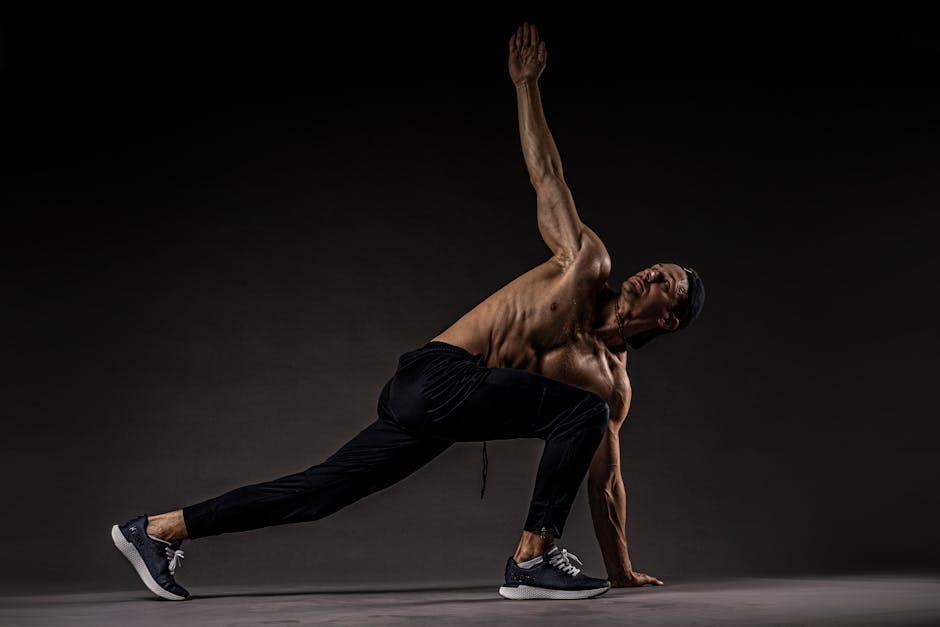
In this article, we’ll explore: fitness and why it matters today.
Related:
👉 pcod, period, menstrual, fitness, sleep, stress (2026) – What You Must Know
👉 PayPal says its becoming a technology company again that means AI (2026) – Full Breakdown
👉 Empowering Women’s Wellness: A Holistic Approach
Learn more: fitness on Wikipedia
Fitness for the Rest of Us: How to Get Healthy Without Hating Your Life
We’ve all been there. It’s Monday morning, your brand-new sneakers are laced up tight, and you’ve got a “no excuses” playlist blasting in your ears. You’re ready to conquer the world. But by Wednesday, the sneakers are buried under a pile of laundry, and the only thing you’re conquering is a family-sized bag of chips while binge-watching a sitcom.
Why does this happen? Usually, it’s because we treat fitness like a punishment for what we ate or a chore we have to check off a list. We see influencers on social media waking up at 4:00 AM to drink green juice and run ten miles, and we think, “If that’s what it takes, I’m out.”
But here’s a secret: fitness doesn’t have to be miserable. In fact, if you want it to last, it can’t be miserable. Fitness is simply about moving your body in a way that makes you feel alive, strong, and capable. It’s about being able to carry your groceries without getting winded or playing tag with your kids without needing a twenty-minute nap afterward.
In this guide, we’re going to strip away the complicated jargon and the “hustle culture” nonsense. We’re going to talk about how to build a healthy lifestyle that actually fits into your real, messy, busy life.
The Great Fitness Myth: You Don’t Need a Six-Pack to Be Fit
Before we go any further, let’s bust a major myth. Somewhere along the line, we started equating fitness with having a shredded midsection or bulging biceps. While there’s nothing wrong with wanting to look good, those things are often just “side effects” or specific aesthetic goals. They aren’t the definition of health.
Real fitness is functional. It’s about your heart health, your lung capacity, your bone density, and your mental clarity. When you focus on how your body performs rather than just how it looks, something magical happens: you stop obsessing over the scale and start celebrating what your body can do.
Finding Your “Why”
If your only reason for exercising is “to lose ten pounds,” you’ll probably quit the moment the scale doesn’t move for three days. You need a deeper “why.” Think about it: Do you want to have more energy for your job? Do you want to reduce your stress? Do you want to live long enough to see your grandkids grow up? When your motivation is internal, it’s much harder to ignore.
Movement: The “Choose Your Own Adventure” of Fitness
The biggest mistake people make is choosing an exercise they hate because they think it’s the “best” one. If you hate running, don’t run! There is no prize for suffering through a workout you despise. The best exercise for fitness is the one you will actually do consistently.
Think of movement like a menu at a restaurant. You don’t have to order the salad if you’d rather have the soup. Here are a few ways to get moving that don’t involve a treadmill:
- Walking: Never underestimate the power of a brisk walk. It’s low-impact, clears your head, and you can do it anywhere.
- Strength Training: This doesn’t mean you have to be a bodybuilder. Lifting weights or using your own body weight (like push-ups) keeps your bones strong and boosts your metabolism.
- Dancing: Put on your favorite songs and move around your living room. It counts as cardio, and it’s impossible to be in a bad mood while doing it.
- Hiking: Getting out into nature provides a double dose of health—physical exertion plus the mental “reset” of being outdoors.
- Sports: Pick up a pickleball paddle, join a local soccer league, or go swimming. When it feels like a game, it doesn’t feel like work.
The Story of Sarah
Take my friend Sarah, for example. Sarah spent years joining gyms and quitting them within a month. She felt like a failure. One day, she realized she loved being in the water but hated lifting weights. She stopped trying to be a “gym rat” and started going to water aerobics twice a week. Two years later, she’s in the best shape of her life. Why? Because she finally found a version of fitness that she actually enjoyed.
Nutrition: Fueling the Machine (Without the Stress)
You can’t talk about fitness without talking about food. But let’s keep it simple. You don’t need to track every single calorie or banish bread from your life forever. In fact, extreme restriction almost always leads to a “rebound” where you eat everything in sight.
Instead of thinking about what you need to remove from your diet, think about what you can add. This is called the “crowding out” method. If you focus on adding more colorful vegetables, lean proteins, and water to your plate, you’ll naturally have less room for the processed stuff that makes you feel sluggish.
The 80/20 Rule
A sustainable approach to fitness nutrition is the 80/20 rule. Eat nutritious, whole foods 80% of the time. The other 20%? Enjoy your life. Have the pizza on Friday night. Eat the birthday cake. When you stop labeling foods as “good” or “bad,” you remove the guilt that usually causes people to give up on their health goals.
The Secret Ingredient: Consistency Over Intensity
If you work out for five hours once a month, it won’t do much for you. But if you walk for twenty minutes every single day, your life will transform. Fitness is built in the small, boring moments. It’s the choice to take the stairs instead of the elevator. It’s the choice to drink a glass of water before your coffee.
We often fall into the “all or nothing” trap. We think if we can’t do a full hour-long workout, there’s no point in doing anything at all. That’s a lie! A ten-minute workout is 100% better than a zero-minute workout. On the days when you’re tired or busy, just do something. Keep the habit alive.
The Power of the 1% Rule
In his book Atomic Habits, James Clear talks about getting 1% better every day. If you improve your fitness by just 1% each day, the results compound over time. You don’t need to be a hero today; you just need to be slightly better than you were yesterday.
Don’t Forget the “Invisible” Side of Fitness
When we think of fitness, we think of sweat. But two of the most important parts of a healthy lifestyle happen when you aren’t moving at all: sleep and stress management.
Sleep is Your Superpower
You could have the perfect diet and the best workout routine, but if you’re only sleeping four hours a night, your body cannot recover. Sleep is when your muscles repair themselves and your brain flushes out toxins. Aim for 7–9 hours. Think of it as a mandatory part of your training.
Managing the Mental Load
High stress levels produce cortisol, a hormone that can make it harder to lose weight and easier to get sick. Fitness isn’t just physical; it’s mental. Whether it’s meditation, reading a book, or just sitting quietly with a cup of tea, find a way to lower your stress levels daily.
Key Takeaways for Your Fitness Journey
- Start Small: Don’t try to change your whole life in one day. Pick one habit and master it before adding another.
- Focus on Feeling: Notice how much more energy you have when you move. Use that as your motivation.
- Forget Perfection: You will have bad days. You will eat “junk” food. You will miss workouts. That’s okay. Just get back to it the next day.
- Hydrate: Most of the time when we feel tired or hungry, we’re actually just dehydrated. Drink more water!
- Listen to Your Body: If you’re in pain (not just “sore,” but actual pain), stop and rest. Longevity is the goal.
Frequently Asked Questions (FAQ)
1. How often should I work out to see results?
For general fitness, aim for at least 150 minutes of moderate aerobic activity or 75 minutes of vigorous activity per week, along with two days of strength training. However, even three 20-minute sessions a week can make a huge difference if you’re just starting out.
2. Do I need to join a gym?
Absolutely not. You can get incredibly fit using bodyweight exercises at home, walking in your neighborhood, or following free workout videos on YouTube. The gym is a tool, but it’s not a requirement.
3. What is the best time of day to exercise?
The best time is the time when you are most likely to actually do it. Some people love the energy of a morning workout, while others use an evening session to de-stress after work. Experiment and see what feels best for your rhythm.
4. How long does it take to see progress?
Mentally, you might feel better after just one workout. Physically, most people start noticing changes in their energy levels within two weeks and visible changes in their body within 8 to 12 weeks of consistent effort.
5. Can I get fit just by walking?
Yes! Walking is one of the most underrated forms of exercise. It improves cardiovascular health, strengthens bones, and helps with weight management. To progress, you can try walking faster, adding hills, or wearing a weighted vest.
Final Thoughts
Fitness isn’t a destination you reach and then stop. It’s a lifelong relationship with your body. Some days that relationship will be easy and exciting; other days it will require a little more patience and grace.
The most important thing to remember is that you are doing this for you. Not for your doctor, not for your spouse, and certainly not for strangers on the internet. You deserve to feel good. You deserve to be strong. So, lace up those sneakers—or don’t! Put on some music, take a deep breath, and just start moving. You’ve got this.
Written with love and assistance and refined for quality.
🔗 Related: stress
🔗 Related: fitness