In this article, we’ll explore: 8 Foods To Avoid With an Upset Stomachand What To Eat Instead and why it matters today.
Related:
👉 Muscle Plays a Role in Weight Loss… But Not How You Think
👉 Why Her Health is Our Future: A Deep Dive into the BcozSheMatters: WHO Health Ministry roll out campaign on women and girls health and well-being
👉 Why Getting Pregnant with PCOS Can Be Hard: The Hidden Role of Histone Lactylation and ER Stress
Learn more: 8 Foods To Avoid With an Upset Stomachand What To Eat Instead on Wikipedia
We’ve all been there. You’re sitting on the couch, clutching a pillow to your midsection, wondering if that third slice of spicy pepperoni pizza was really worth the internal war currently being waged in your gut. Whether it’s a stomach flu, a bout of food poisoning, or just a generic “disagreeable” meal, an upset stomach can bring your entire life to a grinding halt.
When your digestive system is on strike, the last thing you want to do is make it work harder. Think of your stomach right now like a bruised knee—you wouldn’t go for a five-mile run on a bruised knee, right? You’d rest it. Your gut needs the same courtesy. But knowing exactly what to put in your body (and what to keep far, far away) can be the difference between a quick recovery and a long, miserable weekend in the bathroom.
In this guide, we’re going to break down the 8 Foods To Avoid With an Upset Stomach and What To Eat Instead so you can get back to feeling like yourself again.
The Golden Rule: Listen to Your Gut
Before we dive into the list, remember that everyone’s body is different. What works for your best friend might not work for you. However, science tells us that certain foods are universal “irritants” when the lining of your stomach is inflamed. The goal is to choose foods that are easy to break down, low in fiber, and gentle on the stomach lining.
1. Dairy Products (Milk, Cheese, and Ice Cream)
Even if you aren’t normally lactose intolerant, you might become “temporarily” intolerant when your stomach is upset. When the lining of your small intestine is irritated—especially by a virus or bacteria—it loses the ability to produce lactase, the enzyme needed to digest milk sugar.
Why it’s bad: If you consume dairy while your gut is compromised, the lactose goes undigested, leading to even more gas, bloating, and diarrhea. It’s like adding fuel to a fire.
What to eat instead:
Stick to clear liquids or dairy-free alternatives if you must. A small amount of plain, low-fat Greek yogurt can sometimes be okay because the probiotics help, but if you’re in the “emergency phase,” it’s best to skip dairy entirely for 24–48 hours.
2. Spicy Foods
I love a good hot sauce as much as the next person, but capsaicin (the compound that makes peppers hot) is a major irritant to the digestive tract. When your stomach is already sensitive, spicy foods can trigger acid reflux and cause a burning sensation that travels all the way down.
Example: Imagine my friend Dave. Dave had a mild stomach bug but thought a bowl of spicy ramen would “clear his sinuses.” Instead, he spent the next six hours regretting every life choice he’d ever made. Don’t be like Dave.
What to eat instead:
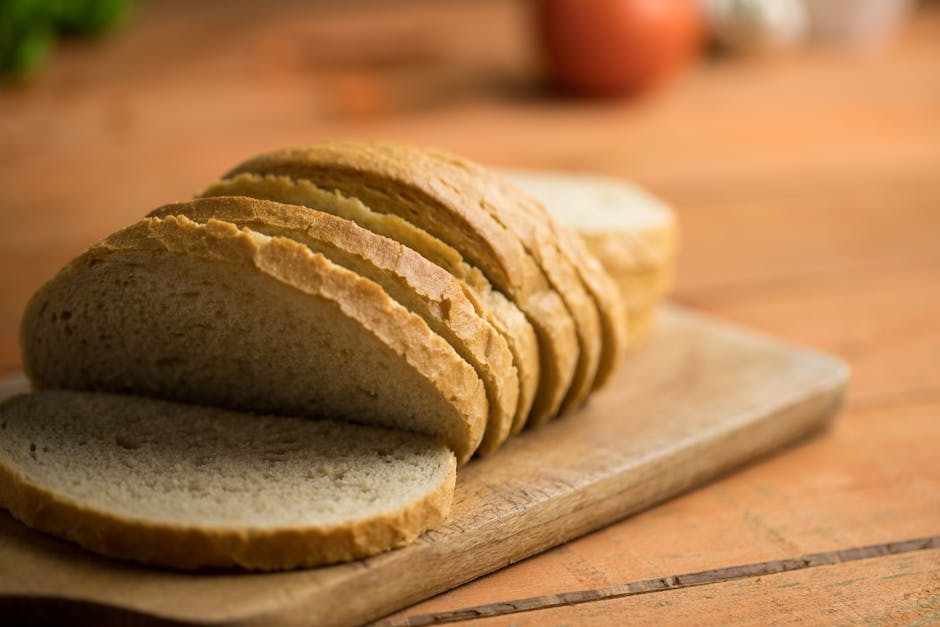
Keep things bland. Think “white and tan” foods. Saltine crackers or plain toast are your best friends here. They provide a bit of sodium to help with hydration without the heat.
3. Fried and Fatty Foods
Greasy burgers, french fries, and heavy cream sauces are incredibly hard for the body to process. Fat slows down “gastric emptying,” which is just a fancy way of saying the food sits in your stomach for a long time. When you’re sick, you want food to move through gently, not sit there like a heavy brick.
Why it’s bad: High-fat foods can trigger contractions in the digestive tract, which can lead to cramping or—worse—an immediate trip to the restroom.
What to eat instead:
If you need protein, go for something boiled, poached, or steamed. A plain piece of boiled chicken breast or a soft-boiled egg is much easier on the system than anything dropped in a deep fryer.
4. Acidic Fruits and Vegetables
You might think a glass of orange juice is a good idea to get some Vitamin C while you’re sick, but the high acidity can actually aggravate an already sour stomach. Tomatoes (and tomato sauce), oranges, lemons, and grapefruits can cause acid reflux and irritate the stomach lining.
What to eat instead:
Reach for a banana. Bananas are the “B” in the famous BRAT diet (Bananas, Rice, Applesauce, Toast). they are low-acid, easy to chew, and full of potassium, which you likely lost if you’ve been dealing with vomiting or diarrhea.
5. Artificial Sweeteners
Many “sugar-free” candies, gums, and diet sodas contain sugar alcohols like sorbitol, xylitol, or erythritol. These are notorious for causing digestive distress even in healthy people. In a sensitive stomach, they act as a laxative.
Why it’s bad: Your body doesn’t fully absorb these sweeteners, so they pull water into your intestines, leading to the “runs” and painful gas.
What to eat instead:
If you need a bit of sweetness, a small amount of natural honey in herbal tea is much safer. Or, better yet, stick to plain water or an electrolyte drink that uses real sugar (in moderation) to help with absorption.
6. Raw Vegetables and High-Fiber Foods
Usually, fiber is the hero of the story. But when you have an upset stomach, fiber is the villain. Raw vegetables like broccoli, cauliflower, and kale are “cruciferous,” meaning they produce a lot of gas during digestion. Their tough fibers require a lot of work from your stomach to break down.
What to eat instead:
Cooked vegetables are much easier to handle. Think peeled, boiled carrots or a well-cooked potato (without the skin). Peeling the skin off fruits and veggies is key because the skin holds most of the hard-to-digest insoluble fiber.
7. Caffeine and Alcohol
This one hurts, I know. You might feel like you need a coffee to wake up after a rough night, but caffeine is a stimulant that speeds up the digestive system. If you’re already dealing with diarrhea, caffeine will only make it more frequent. Alcohol, on the other hand, is a toxin that irritates the stomach lining and dehydrates you further.
What to eat (or drink) instead:
Sip on lukewarm peppermint or ginger tea. Ginger is a world-renowned natural remedy for nausea. It helps move food along the digestive tract and calms the “spasms” that cause cramping.
8. Processed and Sugary Foods
Boxed snacks, sugary cereals, and sodas are often loaded with preservatives and chemicals that your body has to work hard to identify and process. High levels of refined sugar can also cause a “spike” in your gut bacteria, leading to more fermentation and gas.
What to eat instead:
Plain white rice. It’s the ultimate “safe” food. It’s easy to digest, contains very little fiber, and helps “bind” things together if your digestion is a bit too loose.
Summary Table: What to Swap
- Avoid: Fried Chicken -> Eat: Boiled Chicken
- Avoid: Orange Juice -> Eat: Coconut Water
- Avoid: Raw Broccoli -> Eat: Boiled Carrots
- Avoid: Ice Cream -> Eat: Applesauce
- Avoid: Coffee -> Eat: Ginger Tea
Key Takeaways for a Happy Gut
- Keep it Bland: Follow the BRAT diet (Bananas, Rice, Applesauce, Toast) for the first 24 hours.
- Hydration is King: Sip small amounts of water or electrolytes frequently rather than gulping a large glass at once.
- Small Portions: Don’t overwhelm your stomach. Eat five or six tiny “snacks” instead of three large meals.
- Temperature Matters: Avoid ice-cold or piping-hot foods. Room temperature or lukewarm is gentlest on the stomach.
Frequently Asked Questions (FAQ)
Can I eat eggs with an upset stomach?
Yes, but keep them simple. Scrambled or poached eggs are great sources of protein and are generally easy to digest. Just avoid using butter, oil, or milk when preparing them.
Is oatmeal good for an upset stomach?
Oatmeal can be hit or miss. For some, the fiber in oatmeal is too much. If you do try it, make sure it’s plain (no sugar or cream) and cooked thoroughly with water to make it as soft as possible.
How long should I wait before eating “normal” food again?
Wait at least 24 to 48 hours after your symptoms have completely stopped. Introduce “normal” foods slowly. Start with a little lean protein, then some cooked veggies, and save the greasy pizza for much later!
Should I drink soda to settle my stomach?
Old-fashioned advice says ginger ale or lemon-lime soda helps. However, the carbonation can cause bloating, and the high sugar can cause diarrhea. If you use ginger ale, let it go flat first and take small sips.
Final Thoughts
Dealing with an upset stomach is never fun, but you don’t have to make it worse by eating the wrong things. By focusing on the 8 Foods To Avoid With an Upset Stomach and What To Eat Instead, you give your body the space and rest it needs to heal. Be patient with yourself, stay hydrated, and remember: when in doubt, keep it bland!
Disclaimer: This article is for informational purposes only and does not constitute medical advice. If you have severe pain, a high fever, or can’t keep liquids down for more than 24 hours, please consult a healthcare professional immediately.
Written with love and assistance and refined for quality.
{“@context”:”https://schema.org”,”@type”:”Article”,”headline”:”Tummy Troubles? 8 Foods To Avoid With an Upset Stomach and What To Eat Instead”,”description”:”In this article, weu2019ll explore: 8 Foods To Avoid With an Upset Stomachand What To Eat Instead and why it…”,”author”:{“@type”:”Person”,”name”:”Dr. Cuterus”},”datePublished”:”2026-05-24T09:26:40+00:00″,”dateModified”:”2026-05-24T09:26:40+00:00″,”mainEntityOfPage”:”https://healthyworldz.com/tummy-troubles-8-foods-to-avoid-with-an-upset-stomach-and-what-to-eat-instead-13/”,”image”:[“https://healthyworldz.com/wp-content/uploads/2026/05/8-foods-to-avoid-with-an-upset-stomachand-what-to-eat-instead-135.jpg”]}
🔗 Related: Women with polycystic ovary syndrome exhibit…
🔗 Related: BcozSheMatters: WHO Health Ministry roll out…
🔗 Related: Muscle Plays a Role in Weight…