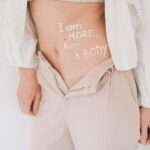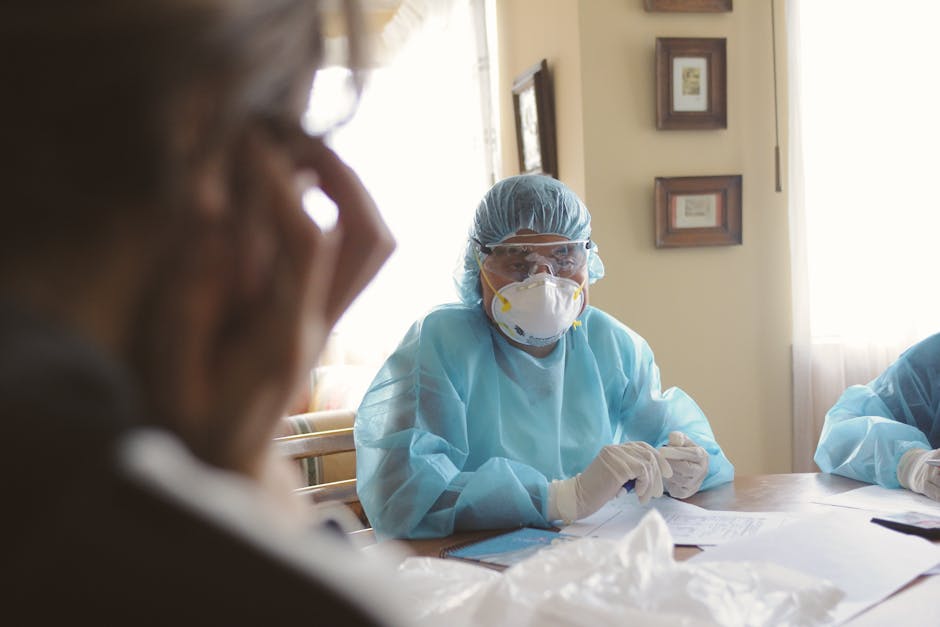
In this article, we’ll explore: BcozSheMatters: WHO Health Ministry roll out campaign on women and girls health and well-being and why it matters today.
Related:
👉 8 Foods To Avoid With an Upset Stomach and What To Eat Instead
👉 BcozSheMatters: Why the New WHO and Health Ministry Campaign is a Game-Changer for Women Everywhere
👉 Why Getting Pregnant with PCOS is Harder Than It Should Be: The New Science of Endometrial Receptivity
Imagine a world where every woman, regardless of where she lives or how much she earns, has the right to feel healthy, safe, and supported. For too long, women’s health has been treated as a secondary thought—a “niche” topic that only comes up during specific months of the year. But the reality is that when a woman is healthy, her family thrives, her community prospers, and the entire nation grows stronger.
This is the driving force behind the latest global initiative. We are seeing a massive shift in how we approach healthcare with the BcozSheMatters: WHO Health Ministry roll out campaign on women and girls health and well-being. This isn’t just another government program with a catchy name; it is a comprehensive movement designed to dismantle the barriers that have kept women and girls from achieving their full health potential for decades.
In this post, we’ll explore what this campaign really means, why it’s happening now, and how it aims to change the lives of millions of women around the globe.
What Exactly is the BcozSheMatters Campaign?
At its core, the “BcozSheMatters” initiative is a collaborative effort between the World Health Organization (WHO) and various national Health Ministries. The campaign focuses on a “lifecycle approach.” This means it doesn’t just look at pregnancy or maternal health—though those are vital—but instead looks at the health of a female from the moment she is born until her senior years.
The campaign recognizes that a girl’s nutrition at age five affects her bone density at age fifty. It acknowledges that mental health struggles in adolescence can impact career and family life in adulthood. By taking this holistic view, the BcozSheMatters: WHO Health Ministry roll out campaign on women and girls health and well-being aims to create a continuous safety net of care.
The Core Pillars of the Initiative
- Preventive Care: Moving from “treating sickness” to “maintaining wellness” through regular screenings and vaccinations.
- Mental Health Support: Breaking the stigma surrounding anxiety, depression, and postpartum struggles.
- Nutritional Security: Ensuring girls have access to the vitamins and minerals they need to grow and thrive.
- Digital Health Access: Using technology to bring doctor consultations to women in remote areas.
Why Now? The Urgent Need for Change
You might be wondering, “Why is this happening today?” The truth is, the last few years have been incredibly tough on global health systems. The pandemic stretched resources thin, and unfortunately, women’s health services were often the first to be sidelined. Routine screenings for cervical cancer dropped, maternal mortality rates in some regions saw a worrying uptick, and the “shadow pandemic” of mental health issues took a heavy toll on women who were balancing work and home life.
The BcozSheMatters: WHO Health Ministry roll out campaign on women and girls health and well-being is a direct response to these gaps. It’s a “reset” button. It’s the global community saying, “We cannot afford to leave half the population behind if we want a resilient future.”
Let’s look at a real-world example. Meet Anjali, a 34-year-old mother of two living in a rural area. For years, Anjali ignored a persistent pain in her abdomen because the nearest clinic was hours away and she couldn’t afford to take a day off from her farm work. Under the new campaign, mobile health units are now visiting her village twice a month. Anjali was able to get a screening that caught a minor issue before it became a life-threatening disease. This is the “BcozSheMatters” impact in action.
Breaking the Taboos: Menstruation, Menopause, and Beyond
One of the most refreshing aspects of this campaign is its willingness to talk about things that were previously whispered about in the shadows. For a long time, topics like menstrual hygiene and menopause were considered “private matters” that didn’t belong in public health policy.
The WHO and Health Ministries are changing that narrative. They are rolling out educational programs in schools to teach girls about their bodies without shame. Simultaneously, they are training healthcare providers to better support women going through menopause—a stage of life that affects millions but is often met with a “just deal with it” attitude from the medical community.
Addressing the “Silent” Health Crises
There are several issues that this campaign is bringing to the forefront:
- Anemia: A massive percentage of women and girls suffer from iron deficiency, which leads to chronic fatigue and lowered immunity.
- Cervical Cancer: A largely preventable disease that still claims too many lives due to lack of screening.
- Reproductive Rights: Ensuring every woman has the autonomy to make decisions about her own body and family planning.
The Role of Technology: A Digital Revolution for Women
In the modern age, health isn’t just about stethoscopes and hospitals; it’s about smartphones and data. A significant part of the BcozSheMatters: WHO Health Ministry roll out campaign on women and girls health and well-being involves digital literacy.
By empowering women with health apps, tele-consultation platforms, and digital health records, the campaign is putting the power back into their hands. Imagine a young woman in a conservative community who is too shy to ask about reproductive health in person. Through a verified, campaign-backed app, she can get accurate information and talk to a professional privately. This level of access is a game-changer.
Real-World Impact: Stories from the Ground
In various regions where the campaign has begun its pilot phase, the results are already showing. In parts of Southeast Asia, the introduction of “Wellness Hubs” in local markets—where women already gather—has seen a 40% increase in blood pressure and glucose checks.
In Sub-Saharan Africa, the campaign’s focus on adolescent nutrition has led to higher school attendance rates because girls are healthier and have better access to menstrual hygiene products. These aren’t just statistics; these are lives transformed. When a girl stays in school because she’s healthy, she’s more likely to earn a higher income later in life, breaking the cycle of poverty for her entire family.
Key Takeaways from the BcozSheMatters Campaign
- Holistic Approach: It covers everything from physical health to mental well-being across all ages.
- Equity in Access: The goal is to reach the most marginalized women who have been historically ignored.
- Education is Key: It’s not just about providing medicine; it’s about providing knowledge and agency.
- Global Collaboration: By joining forces, the WHO and national ministries can pool resources and expertise more effectively.
How Can You Support the Movement?
You don’t have to be a doctor or a politician to make a difference. The spirit of BcozSheMatters: WHO Health Ministry roll out campaign on women and girls health and well-being starts at home and in our local communities.
We can support this by:
- Encouraging the women in our lives to prioritize their health screenings.
- Speaking openly about mental health to reduce stigma.
- Supporting local organizations that provide hygiene products to girls in need.
- Staying informed and sharing accurate health information on social media.
Conclusion
The launch of the BcozSheMatters: WHO Health Ministry roll out campaign on women and girls health and well-being marks a pivotal moment in global history. It is a recognition that women’s health is not a “special interest” group—it is the foundation of a healthy society. By investing in the well-being of girls and women today, we are ensuring a more stable, prosperous, and equitable world for everyone tomorrow.
It’s time we stop asking women to pour from an empty cup. It’s time we make sure their health matters, not just in words, but in every policy, every clinic, and every home. Because, truly, she matters.
Frequently Asked Questions (FAQ)
1. What is the main goal of the BcozSheMatters campaign?
The main goal is to improve the overall health and well-being of women and girls globally by providing better access to healthcare, education, and preventive services throughout their entire lives.
2. Who is behind this initiative?
The campaign is a collaborative effort between the World Health Organization (WHO) and the Health Ministries of participating nations.
3. Does the campaign only focus on physical health?
No, the campaign places a very strong emphasis on mental health, nutritional well-being, and social safety, recognizing that “health” is more than just the absence of physical illness.
4. How can rural communities benefit from this?
The campaign includes the deployment of mobile health units, telemedicine services, and the training of community health workers to ensure that even the most remote areas have access to essential care.
5. Why is the campaign focused specifically on women and girls?
While general healthcare is important for everyone, women and girls face unique biological, social, and economic barriers to health. This campaign seeks to address those specific disparities to create a level playing field.
Written with love and assistance and refined for quality.
{“@context”:”https://schema.org”,”@type”:”Article”,”headline”:”Why Her Health is Our Future: A Deep Dive into the BcozSheMatters: WHO Health Ministry roll out campaign on women and girls health and well-being”,”description”:”In this article, weu2019ll explore: BcozSheMatters: WHO Health Ministry roll out campaign on women and girls health and well-being and…”,”author”:{“@type”:”Person”,”name”:”Dr. Cuterus”},”datePublished”:”2026-05-24T08:27:30+00:00″,”dateModified”:”2026-05-24T08:27:30+00:00″,”mainEntityOfPage”:”https://healthyworldz.com/why-her-health-is-our-future-a-deep-dive-into-the-bcozshematters-who-health-ministry-roll-out-campaign-on-women-and-girls-health-and-well-being/”,”image”:[“https://healthyworldz.com/wp-content/uploads/2026/05/bcozshematters-who-health-ministry-roll-out-campaign-on-women-and-girls-health-and-well-being-17.jpg”]}
🔗 Related: Muscle Plays a Role in Weight…
🔗 Related: Hormonal mechanisms of womens risk in…
🔗 Related: 8 Foods To Avoid With an…