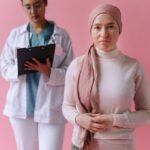
In this article, we’ll explore: BcozSheMatters: WHO Health Ministry roll out campaign on women and girls health and well-being and why it matters today.
Related:
👉 Tummy Troubles? 8 Foods To Avoid With an Upset Stomach and What To Eat Instead
👉 Why Women Experience Trauma Differently: The Science of Hormones and Stress
👉 Why Her Health Changes the World: A Closer Look at the BcozSheMatters: WHO Health Ministry roll out campaign on women and girls health and well-being
Learn more: BcozSheMatters: WHO Health Ministry roll out campaign on women and girls health and well-being on Wikipedia
Imagine a world where every girl, regardless of where she is born, has the same chance to grow up healthy, educated, and empowered. Imagine a world where a mother doesn’t have to choose between her own health and the well-being of her children. It sounds like a dream, doesn’t it? But today, that dream is getting a massive boost. The World Health Organization (WHO) and the Health Ministry have officially joined forces to launch a groundbreaking initiative: BcozSheMatters: WHO Health Ministry roll out campaign on women and girls health and well-being.
This isn’t just another government program with a fancy acronym. It is a heartfelt, deeply necessary movement designed to put the spotlight back where it belongs—on the women and girls who hold our families, communities, and economies together. Let’s dive into why this matters, what it actually looks like on the ground, and how it’s going to change lives.
The Heart of the Matter: Why “She” Matters
For too long, women’s health has been treated as a niche topic, often narrowed down to just “maternal health.” While making sure mothers survive childbirth is vital, a woman’s health is so much more than that. It starts when she is a young girl and continues through her teenage years, her working life, and into her senior years.
Let’s look at a real-world example. Meet Anjali. Anjali is a 28-year-old teacher who balances a full-time job with raising two toddlers. Like many women, Anjali often puts herself last. She skips her own doctor’s appointments to take her kids to theirs. She ignores her persistent fatigue because “that’s just part of being a mom.” She suffers in silence with her mental health because she doesn’t want to seem “weak.”
The BcozSheMatters: WHO Health Ministry roll out campaign on women and girls health and well-being is designed for the Anjalis of the world. It’s a reminder to society—and to women themselves—that their health is not a secondary priority. It is the foundation of everything else.
Breaking Down the Campaign: What’s Inside?
The WHO and the Health Ministry aren’t just putting up posters. They are rolling out a multi-layered strategy that tackles the most pressing issues facing women today. Here is a look at the core pillars of the campaign:
1. Comprehensive Reproductive and Maternal Care
While we have made strides in reducing maternal mortality, the numbers are still too high in many regions. This campaign focuses on “Continuum of Care.” This means supporting a woman from the moment she thinks about starting a family, through pregnancy, a safe delivery, and—crucially—the postpartum period, which is often neglected.
2. Mental Health and Emotional Well-being
This is perhaps the most exciting part of the initiative. For the first time, we are seeing a massive push to destigmatize mental health issues like postpartum depression, anxiety, and the stress of the “double burden” (working and caregiving). The campaign aims to provide accessible counseling services and community support groups.
3. Nutrition and Preventive Screenings
Did you know that anemia affects nearly one-third of all women of reproductive age? The campaign introduces “Health Hubs” where girls and women can get screened for nutritional deficiencies, cervical cancer, and breast cancer at no or low cost. Prevention is always better (and cheaper) than a cure.
4. Adolescent Health and Education
To change the future, we have to start with the girls of today. The campaign includes school-based programs that teach girls about menstrual hygiene, body positivity, and the importance of physical activity. By empowering girls early, we build a generation of women who know how to advocate for their own health.
Real Stories, Real Impact
When the Health Ministry pilot-tested some of these programs in smaller districts, the results were moving. In one village, a group of “Health Sisters” (community volunteers) started a weekly walking club. It wasn’t just about exercise; it was a safe space for women to talk about their struggles. One participant, Maria, discovered through a routine screening at a campaign pop-up clinic that she had early-stage hypertension. Because it was caught early, she was able to manage it with simple lifestyle changes rather than expensive medication later in life.
This is the “BcozSheMatters” effect. It’s about catching the small things before they become big things. It’s about making health a conversation, not a chore.
How the Campaign Uses Technology
We live in a digital age, and the BcozSheMatters: WHO Health Ministry roll out campaign on women and girls health and well-being is leaning into it. The rollout includes:
- A Dedicated Mobile App: Women can track their cycles, get pregnancy tips, and even chat with a virtual health assistant.
- Telemedicine Services: For women in rural areas, getting to a specialist can be a day-long journey. Telemedicine brings the doctor to their smartphone.
- SMS Alerts: Simple text reminders for vaccination dates, screening appointments, and health tips.
The Role of Men and Boys
You might be wondering, “If the campaign is about women, where do men fit in?” The answer is: everywhere. A woman’s health journey is often influenced by the support she gets at home. The campaign includes workshops for men on how to be supportive partners and fathers. When men understand the importance of maternal nutrition or mental health, the whole family thrives.
Key Takeaways from the BcozSheMatters Campaign
- Holistic Approach: It’s not just about physical health; mental and emotional well-being are equally prioritized.
- Life-Cycle Focus: The campaign supports women from adolescence through old age.
- Accessibility: By using mobile clinics and digital tools, the campaign reaches the most vulnerable populations.
- Community-Led: Success depends on local volunteers and “Health Sisters” who understand the specific needs of their neighborhoods.
- Empowerment through Knowledge: Education is a key tool in helping women take charge of their own medical journeys.
Challenges and the Road Ahead
Of course, no campaign is without its hurdles. Changing deep-seated cultural norms takes time. In some areas, talking about reproductive health is still considered taboo. In others, the infrastructure (like clean water and electricity) is still lacking. However, the partnership between the WHO and the Health Ministry provides the political will and the funding necessary to tackle these obstacles head-on.
The success of the BcozSheMatters: WHO Health Ministry roll out campaign on women and girls health and well-being won’t be measured just by numbers on a spreadsheet. It will be measured by the girl who stays in school because she has proper menstrual care, and the mother who feels seen and supported during her darkest days.
Conclusion: A Call to Action
The launch of this campaign is a victory for every woman who has ever felt ignored by the healthcare system. But the government and the WHO can’t do it alone. We all have a part to play. Whether it’s encouraging a friend to go for a check-up, educating ourselves on women’s health issues, or simply sharing the message of this campaign, every action counts.
Because at the end of the day, when a woman is healthy, her family is healthy. When a family is healthy, a nation prospers. We do this because she is the backbone of our world. We do this #BcozSheMatters.
Frequently Asked Questions (FAQ)
What is the main goal of the BcozSheMatters campaign?
The primary goal is to improve the overall health and well-being of women and girls by providing better access to healthcare, focusing on mental health, nutrition, and preventive screenings, and empowering them through education.
Who is eligible to benefit from this campaign?
The campaign is designed to support all women and girls, with a special focus on those in underserved or rural communities who often face the greatest barriers to quality healthcare.
How can I access the services offered by the campaign?
Services can be accessed through local government health centers, mobile clinics, and the official BcozSheMatters mobile app. Keep an eye out for local “Health Hub” pop-up events in your community.
Is the campaign only about pregnancy and childbirth?
No! While maternal health is a big part of it, the campaign covers a wide range of issues including adolescent health, menopause, mental health, and non-communicable diseases like cancer and diabetes.
How can men support the BcozSheMatters initiative?
Men can support the initiative by becoming “Health Allies”—learning about the health needs of the women in their lives, sharing the domestic workload to reduce stress on partners, and encouraging regular health screenings.
Written with love and assistance and refined for quality.
{“@context”:”https://schema.org”,”@type”:”Article”,”headline”:”BcozSheMatters: Why the New WHO and Health Ministry Campaign is a Game-Changer for Women Everywhere”,”description”:”In this article, weu2019ll explore: BcozSheMatters: WHO Health Ministry roll out campaign on women and girls health and well-being and…”,”author”:{“@type”:”Person”,”name”:”Dr. Cuterus”},”datePublished”:”2026-05-24T07:26:29+00:00″,”dateModified”:”2026-05-24T07:26:29+00:00″,”mainEntityOfPage”:”https://healthyworldz.com/bcozshematters-why-the-new-who-and-health-ministry-campaign-is-a-game-changer-for-women-everywhere-4/”,”image”:[“https://healthyworldz.com/wp-content/uploads/2026/05/bcozshematters-who-health-ministry-roll-out-campaign-on-women-and-girls-health-and-well-being-16.jpg”]}
🔗 Related: Muscle Plays a Role in Weight…
🔗 Related: Hormonal mechanisms of womens risk in…
🔗 Related: 8 Foods To Avoid With an…