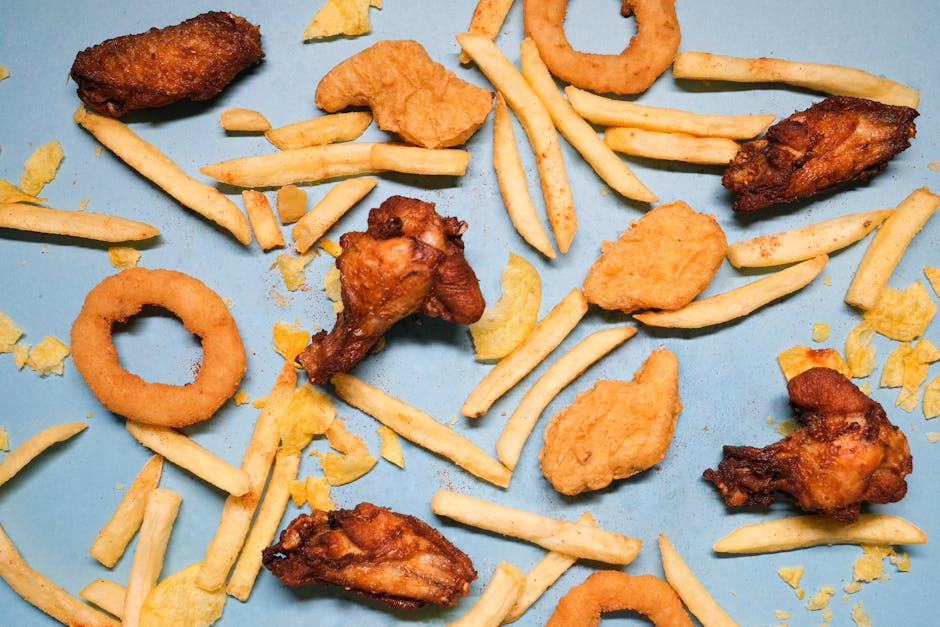
In this article, we’ll explore: 8 Foods To Avoid With an Upset Stomachand What To Eat Instead and why it matters today.
Related:
👉 Unlocking the Uterine Mystery: How PCOS Impacts Endometrial Receptivity, and What Excessive ER and Histone Lactylation Reveal
👉 Navigating Tummy Troubles: Your Guide to 8 Foods To Avoid With an Upset Stomach and What To Eat Instead for Quick Relief
👉 Unpacking the Invisible Forces: How Hormones Shape Women's Journey Through Traumatic Stress
Learn more: 8 Foods To Avoid With an Upset Stomachand What To Eat Instead on Wikipedia
Ah, the dreaded upset stomach. We’ve all been there, right? That familiar gurgle, the sudden cramp, the general feeling of “ugh.” It hits you when you least expect it – maybe after a particularly indulgent meal, a stressful day, or just out of the blue. When your tummy is doing its own dramatic monologue, the last thing you want to do is make it worse. But what *do* you eat when everything feels wrong? And, perhaps more importantly, what should you absolutely steer clear of?
As someone who’s had their fair share of digestive dramas (who hasn’t?), I’ve learned that making smart food choices during these times isn’t just about temporary relief; it’s about helping your body heal and get back to its happy self. In this guide, we’re going to dive deep into **8 foods to avoid with an upset stomach and what to eat instead**, arming you with the knowledge to soothe your gut and feel better, faster. So, let’s get comfortable, grab a cup of ginger tea (we’ll get to that!), and figure out how to be kind to your tummy.
The “No-Go” List: Foods to Avoid When Your Stomach is Grumpy
When your digestive system is already in distress, think of it like a delicate flower. You wouldn’t douse a delicate flower with harsh chemicals, would you? Similarly, you shouldn’t bombard your sensitive stomach with foods that are difficult to process, irritating, or likely to cause further discomfort. Here are the top offenders:
1. Spicy Foods: The Fiery Foe
* **Why to Avoid:** While a spicy curry might be your go-to on a regular day, when your stomach is upset, it’s like adding fuel to a fire. Capsaicin, the compound that gives chili peppers their heat, can irritate the lining of your esophagus and stomach, leading to heartburn, indigestion, and even nausea. It can also speed up digestion in an uncomfortable way.
* **Story Time:** I once had a friend who, feeling a bit under the weather, decided a “spicy cleanse” was a good idea. He ended up regretting that extra hot sauce for days. His stomach, already protesting, escalated its complaints with a vengeance!
* **What to Eat Instead:** Stick to bland, non-spicy options like plain boiled chicken, white rice, or steamed potatoes. Think gentle, not fiery.
2. High-Fat and Greasy Foods: The Slow-Down Culprits
* **Why to Avoid:** Burgers, fries, pizza, fried chicken – oh, how delicious they are normally! But when your stomach is upset, these high-fat foods are a major no-no. Fat takes longer to digest than carbohydrates or protein, meaning it sits in your stomach for extended periods, which can worsen nausea and indigestion. It can also trigger acid reflux.
* **Real-World Example:** Imagine trying to run a marathon with weights tied to your ankles. That’s what your digestive system feels like trying to process a greasy meal when it’s already struggling.
* **What to Eat Instead:** Opt for lean proteins like baked chicken breast or white fish, and complex carbohydrates like plain toast or crackers. These are much easier for your body to break down.
3. Dairy Products (Especially for the Lactose Sensitive)
* **Why to Avoid:** For many people, especially those who are lactose intolerant (even mildly so), dairy products can be a nightmare when their stomach is already acting up. Lactose, the sugar in milk, can be difficult to digest without enough lactase enzyme, leading to gas, bloating, cramps, and diarrhea. Even if you don’t usually have a problem, an upset stomach can temporarily reduce lactase production, making dairy a risky choice.
* **Personal Anecdote:** I’ve seen countless friends reach for a comforting bowl of ice cream when feeling sick, only to regret it an hour later as their stomach churned even more violently.
* **What to Eat Instead:** If you’re craving something creamy, try lactose-free milk alternatives like almond or oat milk, or stick to plain water or herbal teas. Small amounts of plain yogurt with live cultures might be okay for some, but proceed with caution.
4. Acidic Foods and Drinks: The Irritation Station
* **Why to Avoid:** Citrus fruits (oranges, lemons, grapefruit), tomatoes, tomato-based sauces, coffee, and sodas are all highly acidic. This acidity can irritate the already sensitive lining of your stomach and esophagus, exacerbating heartburn, acid reflux, and general stomach discomfort.
* **The Science Bit:** Think of your stomach lining as a tender, wounded area. Pouring acid on it isn’t going to help it heal, is it?
* **What to Eat Instead:** Reach for alkaline-friendly foods like bananas, melon, or plain boiled vegetables. For drinks, water, diluted herbal teas (ginger or peppermint are great), or coconut water are much better choices.
5. Raw Vegetables (Especially Cruciferous Ones)
* **Why to Avoid:** While raw vegetables are usually super healthy, their high fiber content can be a double-edged sword when your stomach is upset. Raw, fibrous veggies like broccoli, cabbage, and cauliflower (cruciferous vegetables) are particularly hard to digest and can lead to excessive gas and bloating, making an already uncomfortable situation much worse.
* **The Digestive Effort:** Your body has to work extra hard to break down raw plant fibers. When it’s already feeling weak, this extra effort can be overwhelming.
* **What to Eat Instead:** Opt for cooked, soft vegetables instead. Think well-steamed carrots, boiled potatoes (skin removed), or very ripe zucchini. Cooking breaks down some of the tough fibers, making them easier on your system.
6. Processed and Sugary Foods: The Gut Disruptors
* **Why to Avoid:** Candy, cookies, sugary cereals, and highly processed snacks often contain refined sugars, artificial sweeteners, and unhealthy fats. These ingredients can disrupt the delicate balance of your gut microbiome, feed “bad” bacteria, and lead to inflammation, gas, and bloating. They also offer little to no nutritional value when your body needs it most.
* **The Sugar Crash:** Beyond the gut issues, sugary foods can cause blood sugar spikes and crashes, leaving you feeling even more drained and unwell.
* **What to Eat Instead:** Focus on whole, unprocessed foods. If you need a touch of sweetness, a ripe banana or a small serving of applesauce is a much better choice.
7. Alcohol: The Dehydrator and Irritant
* **Why to Avoid:** This might seem obvious, but it’s worth stating clearly. Alcohol is a known irritant to the stomach lining. It can increase stomach acid production, leading to heartburn and nausea. Furthermore, alcohol is a diuretic, meaning it promotes fluid loss and can lead to dehydration, which will only worsen your overall feeling of illness and slow down recovery.
* **The Morning After Effect:** Ever noticed how you often feel queasy after a night of drinking? That’s your stomach protesting the alcohol.
* **What to Eat Instead:** Absolutely stick to non-alcoholic, hydrating beverages. Water, clear broths, and electrolyte drinks (diluted) are your best friends here.
8. Carbonated Drinks: The Bubbling Bloaters
* **Why to Avoid:** Sodas, sparkling water, and other carbonated beverages introduce a lot of gas into your digestive system. This extra gas can lead to uncomfortable bloating, burping, and even stomach pain, especially when your gut is already sensitive. The sugar and artificial sweeteners in many sodas also contribute to the issues mentioned in point #6.
* **The Balloon Feeling:** Imagine inflating a balloon inside your already sensitive stomach. That’s what carbonation can feel like.
* **What to Eat Instead:** Flat, still water is always the best choice. If you want a little flavor, try unsweetened herbal tea or water with a slice of cucumber or a few mint leaves.
Key Takeaways for a Happier Tummy
* **Bland is Best:** When your stomach is upset, think plain, simple, and unseasoned.
* **Hydrate Wisely:** Stick to water, clear broths, and soothing herbal teas.
* **Listen to Your Body:** Everyone is different. Pay attention to how certain foods make *you* feel.
* **Small, Frequent Meals:** Don’t overload your digestive system. Small portions are easier to handle.
* **Prioritize Gentle Foods:** Focus on easily digestible options like the BRAT diet (Bananas, Rice, Applesauce, Toast).
Frequently Asked Questions About Eating with an Upset Stomach
Q1: Is the BRAT diet really effective for an upset stomach?
A: Yes, the BRAT diet (Bananas, Rice, Applesauce, Toast) is often recommended because these foods are bland, low in fiber, and easy to digest. They can help firm up stools and provide some essential nutrients without irritating your stomach. However, it’s a very restrictive diet, so it’s best for short-term use (1-2 days).
Q2: What kind of tea is best for an upset stomach?
A: Ginger tea and peppermint tea are excellent choices. Ginger is well-known for its anti-nausea properties, while peppermint can help relax the digestive muscles and ease cramping. Chamomile tea can also be soothing and help with relaxation.
Q3: How long should I avoid these “bad” foods after my stomach feels better?
A: It’s a good idea to reintroduce foods slowly and gradually. Once you start feeling better, try adding in one new food at a time to see how your body reacts. Give yourself at least 24-48 hours of feeling completely well before going back to your regular diet, and even then, start with smaller portions of potentially irritating foods.
Q4: Can probiotics help when I have an upset stomach?
A: Probiotics can be beneficial for restoring the balance of good bacteria in your gut, especially after an upset stomach or a course of antibiotics. However, it’s best to introduce them when your stomach is starting to settle, rather than in the acute phase of severe discomfort. Consult with a doctor or dietitian for personalized advice.
Bringing It All Together
Dealing with an upset stomach is never fun, but making informed choices about what you eat (and what you don’t!) can make a huge difference in your recovery. By avoiding the **8 foods to avoid with an upset stomach and what to eat instead** that we’ve discussed, you’re giving your digestive system the best chance to heal and get back on track.
Remember, your body is a remarkable machine, but it needs a little TLC when it’s feeling under the weather. So, next time your tummy starts to rumble with discontent, reach for those gentle, soothing options, and give your gut the peace it deserves. You’ll be feeling better and back to enjoying your favorite foods in no time!
Written with love and assistance and refined for quality.
{“@context”:”https://schema.org”,”@type”:”Article”,”headline”:”Navigating the Queasy: 8 Foods To Avoid With an Upset Stomach and What To Eat Instead”,”description”:”In this article, weu2019ll explore: 8 Foods To Avoid With an Upset Stomachand What To Eat Instead and why it…”,”author”:{“@type”:”Person”,”name”:”rahuljait”},”datePublished”:”2026-05-09T09:38:28+00:00″,”dateModified”:”2026-05-09T09:38:28+00:00″,”mainEntityOfPage”:”https://healthyworldz.com/navigating-the-queasy-8-foods-to-avoid-with-an-upset-stomach-and-what-to-eat-instead/”,”image”:[“https://healthyworldz.com/wp-content/uploads/2026/05/8-foods-to-avoid-with-an-upset-stomachand-what-to-eat-instead-6.jpg”]}
🔗 Related: Women with polycystic ovary syndrome exhibit…
🔗 Related: Hormonal mechanisms of womens risk in…
🔗 Related: 8 Foods To Avoid With an…