In this article, we’ll explore: 8 Foods To Avoid With an Upset Stomachand What To Eat Instead and why it matters today.
Related:
👉 The Hidden Story: How PCOS Impacts Your Uterine Welcome Mat and What New Science Reveals
👉 Navigating the Queasy: 8 Foods To Avoid With an Upset Stomach and What To Eat Instead
👉 Unraveling the Inner Symphony: How Hormones Shape Women's Risk in the Face of Traumatic Stress
Learn more: 8 Foods To Avoid With an Upset Stomachand What To Eat Instead on Investopedia
We’ve all been there. That familiar rumble, the sudden nausea, the general feeling of “ugh” that signals an upset stomach. It’s a miserable experience, and when your tummy is doing cartwheels, the last thing you want to do is make it worse. While sometimes an upset stomach is a fleeting visitor, other times it can linger, making you question every single thing you’ve eaten.
The good news? What you put into your body plays a huge role in how quickly you recover and how much discomfort you experience. Just like you wouldn’t run a marathon on a sprained ankle, you shouldn’t fuel an upset stomach with foods that are known to irritate it further.
This isn’t about strict diets or deprivation; it’s about giving your body the gentle care it needs when it’s feeling vulnerable. In this comprehensive guide, we’re going to dive deep into **8 foods to avoid with an upset stomach and what to eat instead**, helping you make smart choices that soothe rather than stress your digestive system. Think of this as your friendly guide to getting back to feeling like yourself again, one mindful bite at a time.
The “No-Go” List: 8 Foods to Sidestep When Your Stomach is Grumbling
When your gut is acting up, certain foods can be like poking a sleeping bear. They might seem harmless, but they can trigger more pain, gas, bloating, or even nausea. Let’s look at the common culprits and why they’re best avoided.
1. Spicy Foods: The Fiery Foe
Remember that delicious, fiery curry or those extra-hot nachos that seemed like a great idea at the time? While they might be a delight for your taste buds, spicy foods are often a nightmare for an upset stomach.
* **Why They Hurt:** Capsaicin, the compound that gives chilies their heat, can irritate the lining of the stomach and intestines. This irritation can lead to increased acid production, heartburn, and even more intense stomach cramps or diarrhea. It’s like pouring gasoline on a small fire.
* **What to Eat Instead:** Opt for bland, non-spicy options. Think plain boiled chicken, steamed rice, or simple toast. If you need a little flavor, a pinch of salt is usually fine.
2. Greasy and Fried Foods: The Heavy Hitters
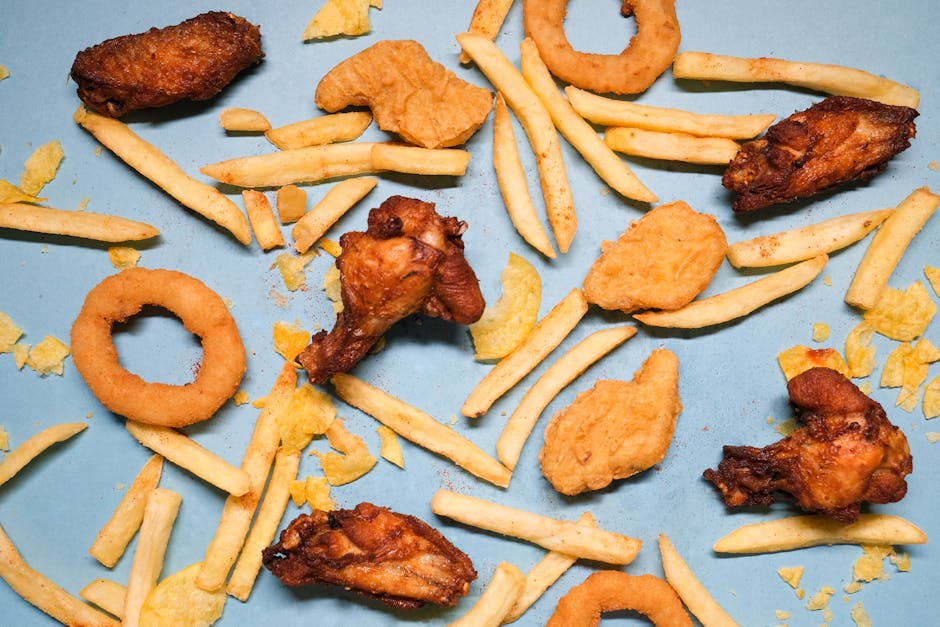
Oh, the allure of crispy fried chicken, greasy burgers, or a plate of French fries! They’re comfort food for many, but when your stomach is already feeling off, they become anything but comforting.
* **Why They Hurt:** Foods high in fat are difficult for your digestive system to break down. They require more effort from your stomach and can slow down the emptying process, leading to feelings of fullness, bloating, and nausea. The extra fat can also trigger stomach acid reflux.
* **What to Eat Instead:** Lean, easily digestible proteins like baked or grilled chicken or fish are excellent choices. Steamed vegetables (like carrots or zucchini) and clear broths are also much gentler on your system.
3. Dairy Products: The Lactose Lowdown
For many, a glass of milk or a scoop of ice cream is a daily pleasure. However, if you’re experiencing an upset stomach, especially with symptoms like gas, bloating, or diarrhea, dairy might be making things worse.
* **Why They Hurt:** Many people have some degree of lactose intolerance, meaning they lack the enzyme (lactase) needed to properly digest lactose, the sugar found in milk. Even if you’re not usually lactose intolerant, an upset stomach can temporarily reduce lactase production, making dairy harder to process. This can lead to increased gas, bloating, and diarrhea.
* **What to Eat Instead:** If you usually enjoy dairy, try lactose-free alternatives. Otherwise, stick to non-dairy options like almond milk (unsweetened), rice milk, or just plain water. For calcium, consider fortified juices or leafy greens when your stomach permits.
4. Acidic Foods (Citrus, Tomatoes): The Sour Spot
Fruits and vegetables are generally good for you, but when your stomach is protesting, highly acidic options like oranges, grapefruits, lemons, limes, and even tomatoes can be problematic.
* **Why They Hurt:** These foods can increase the acidity in your stomach, potentially exacerbating heartburn, acid reflux, and general stomach discomfort, especially if you’re already feeling nauseous or have a sensitive stomach lining.
* **What to Eat Instead:** Reach for lower-acid fruits like bananas (a classic for upset stomachs!), applesauce, or melon. Cooked, non-acidic vegetables like boiled potatoes or steamed carrots are also good choices.
5. Caffeinated Beverages: The Jittery Jolt
That morning cup of coffee might be your ritual, but when your stomach is upset, it’s wise to hit pause. This goes for energy drinks and some teas too.
* **Why They Hurt:** Caffeine is a stimulant that can increase stomach acid production and act as a laxative, potentially worsening diarrhea or stomach cramps. It can also dehydrate you, which is the last thing you need when you’re feeling unwell.
* **What to Eat Instead:** Warm herbal teas like ginger tea (excellent for nausea!), peppermint tea (can soothe the stomach), or chamomile tea (calming) are much better options. Plain water is always your best friend for hydration.
6. Alcohol: The Gut Disruptor
A celebratory drink might lift spirits, but it definitely won’t lift an upset stomach. Alcohol is a big no-no when your digestive system is struggling.
* **Why They Hurt:** Alcohol irritates the stomach lining, increases stomach acid, and can interfere with nutrient absorption. It’s a diuretic, leading to dehydration, and can significantly worsen nausea, vomiting, and diarrhea. Your liver also has to work overtime to process it, diverting energy from healing.
* **What to Eat Instead:** Stick to water, clear broths, or rehydration solutions. Your body needs to recover without the added stress of processing alcohol.
7. Highly Processed & Sugary Foods: The Empty Calories
Think about those sugary cereals, candy bars, pastries, and highly processed snacks. They might offer a quick burst of energy, but they’re often devoid of nutrients and can be tough on a sensitive stomach.
* **Why They Hurt:** These foods often contain artificial ingredients, unhealthy fats, and a lot of refined sugar. Sugar can feed bad bacteria in the gut, leading to gas and bloating. Processed foods are generally harder to digest and can contribute to inflammation.
* **What to Eat Instead:** Focus on whole, unprocessed foods. Plain toast, oatmeal (cooked with water, not milk), or simple crackers can provide some energy without overwhelming your system.
8. Raw/Cruciferous Vegetables: The Gassy Culprits (for some)
While raw vegetables are generally super healthy, certain ones, especially cruciferous varieties like broccoli, cabbage, cauliflower, and Brussels sprouts, can be challenging for an upset stomach.
* **Why They Hurt:** These vegetables contain complex sugars (oligosaccharides) that are difficult for some people to digest, leading to increased gas and bloating. When your stomach is already sensitive, this can be particularly uncomfortable. Raw vegetables also have a lot of fiber, which can be great normally, but might be too much for a distressed digestive system.
* **What to Eat Instead:** Opt for cooked, well-steamed, or boiled vegetables like carrots, zucchini, green beans, or boiled potatoes. These are much easier to break down and are less likely to cause gas.
Soothing Your Stomach: The Gentle Allies
Now that we know what to avoid, let’s talk about the good stuff – the foods that can actually help soothe your stomach and get you back on track.
* **The BRAT Diet:** This classic acronym stands for **B**ananas, **R**ice, **A**pplesauce, and **T**oast. These foods are bland, low in fiber, and easy to digest, making them perfect for upset stomachs.
* **Bananas:** Rich in potassium (often lost during vomiting/diarrhea) and easy to digest.
* **Rice:** Plain white rice is binding and provides gentle energy.
* **Applesauce:** A good source of pectin, a soluble fiber that can help firm up stools.
* **Toast:** Plain white toast is easily digestible.
* **Ginger:** Known for its anti-nausea properties. Sip on ginger tea or chew on a small piece of fresh ginger.
* **Clear Broths:** Chicken or vegetable broth can provide essential electrolytes and hydration without irritating the stomach.
* **Boiled Potatoes:** Simple, bland, and a good source of energy.
* **Plain Oatmeal:** Cooked with water, it’s a gentle source of soluble fiber.
* **Herbal Teas:** Peppermint tea can relax stomach muscles, and chamomile tea has anti-inflammatory properties.
* **Lean Proteins:** Once you can tolerate solids, plain baked or boiled chicken breast or fish can provide necessary nutrients without being too heavy.
Remember to eat small, frequent meals rather than large ones, and chew your food thoroughly to aid digestion.
Key Takeaways for a Happy Tummy
Dealing with an upset stomach is never fun, but by making mindful food choices, you can significantly ease your discomfort and speed up your recovery.
* **Listen to Your Body:** Everyone is different. Pay attention to how certain foods make you feel.
* **Go Bland:** When in doubt, bland is best. Avoid anything spicy, greasy, or highly flavored.
* **Stay Hydrated:** Water, herbal teas, and clear broths are crucial.
* **Eat Small, Slowly:** Don’t overwhelm your digestive system.
* **Prioritize Gentle Foods:** Embrace the BRAT diet and other soothing options.
Your Upset Stomach Questions, Answered!
Got more questions about what to eat (and avoid) when your stomach is in distress? Here are some common queries.
Q1: Is it okay to eat anything if I’m really hungry but my stomach is upset?
It’s generally better to wait until your nausea subsides a bit. If you’re starving, start with something very bland and small, like a plain cracker or a small piece of toast. Forcing yourself to eat when you’re very nauseous can sometimes make things worse.
Q2: How long should I stick to a bland diet after an upset stomach?
Typically, you should continue with bland foods until your symptoms have completely resolved for at least 24-48 hours. Gradually reintroduce other foods, one at a time, to see how your stomach reacts. If you rush it, symptoms might return.
Q3: Can probiotics help with an upset stomach?
Sometimes, yes! If your upset stomach is due to an imbalance in gut bacteria (e.g., after antibiotics or a stomach bug), probiotics can help restore healthy flora. However, it’s best to consult a doctor or nutritionist to choose the right strain and dosage, as not all probiotics are created equal.
Q4: What if I’m still feeling unwell after avoiding these foods and eating bland options?
If your symptoms persist for more than a couple of days, worsen, or are accompanied by severe pain, high fever, blood in vomit or stool, or signs of dehydration, it’s crucial to seek medical attention immediately. This guide is for general discomfort and not a substitute for professional medical advice.
Wishing You a Happy, Healthy Gut!
An upset stomach is your body’s way of telling you it needs a little TLC. By being mindful of what you eat and focusing on gentle, nourishing foods, you can help your digestive system recover and get back to feeling your best. Remember, patience and kindness to your gut go a long way. Here’s to a happier, healthier you!
Written with love and assistance and refined for quality.
{“@context”:”https://schema.org”,”@type”:”Article”,”headline”:”Navigating the Queasy: 8 Foods To Avoid With an Upset Stomach and What To Eat Instead”,”description”:”In this article, weu2019ll explore: 8 Foods To Avoid With an Upset Stomachand What To Eat Instead and why it…”,”author”:{“@type”:”Person”,”name”:”rahuljait”},”datePublished”:”2026-05-09T10:43:45+00:00″,”dateModified”:”2026-05-09T10:43:45+00:00″,”mainEntityOfPage”:”https://healthyworldz.com/navigating-the-queasy-8-foods-to-avoid-with-an-upset-stomach-and-what-to-eat-instead-2/”,”image”:[“https://healthyworldz.com/wp-content/uploads/2026/05/8-foods-to-avoid-with-an-upset-stomachand-what-to-eat-instead-7.jpg”]}
🔗 Related: Women with polycystic ovary syndrome exhibit…
🔗 Related: Hormonal mechanisms of womens risk in…
🔗 Related: 8 Foods To Avoid With an…