In this article, we’ll explore: 8 Foods To Avoid With an Upset Stomachand What To Eat Instead and why it matters today.
Related:
👉 Unlocking the Mystery: How PCOS Impairs Uterine Receptivity and the Role of ER and Histone Lactylation
👉 Navigating the Queasy: 8 Foods To Avoid With an Upset Stomach and What To Eat Instead
👉 The Unseen Symphony: How Hormonal Mechanisms Elevate Women's Risk in the Face of Traumatic Stress
Learn more: 8 Foods To Avoid With an Upset Stomachand What To Eat Instead on Investopedia
Ah, the dreaded upset stomach. We’ve all been there, haven’t we? That uncomfortable gurgle, the sudden wave of nausea, the general feeling of “ugh.” It’s like your body is staging a tiny rebellion, and all you want is for peace to be restored. When your tummy isn’t feeling its best, the last thing you want to do is make things worse. And believe it or not, what you choose to put on your plate can make a huge difference between a slow, painful recovery and a quicker path back to feeling like yourself.
It’s a common misconception that if you’re feeling unwell, you should just eat “whatever.” But in reality, some foods can act like gasoline on a digestive fire, while others can be a soothing balm. As a professional blog writer and SEO expert, I’ve seen countless people search for guidance on this very topic, which is why we’re diving deep today into the crucial question: 8 Foods To Avoid With an Upset Stomach and What To Eat Instead. We’ll explore the culprits that can worsen your discomfort and, more importantly, arm you with delicious, gentle alternatives that will help your stomach heal and recover.
So, grab a warm cup of ginger tea (we’ll get to why that’s a good idea later!), settle in, and let’s get your gut feeling happy again!
The Culprits: Foods That Worsen an Upset Stomach
When your stomach is already feeling delicate, certain foods can be incredibly irritating. Think of your digestive system as a sensitive ecosystem; when it’s out of balance, you need to treat it with kid gloves. Here are eight common offenders:
1. Spicy Foods
Remember that time you thought a fiery chili would “clear everything out”? Yeah, your stomach probably didn’t thank you for it. Spicy foods, rich in capsaicin, can irritate the stomach lining, leading to increased acid production, heartburn, and even more intense abdominal pain. It’s like pouring hot sauce on an open wound – not exactly soothing!
- What to Eat Instead: Opt for bland, non-spicy foods. Think plain boiled chicken, steamed white rice, or soft, baked potatoes.
2. Fried and Fatty Foods
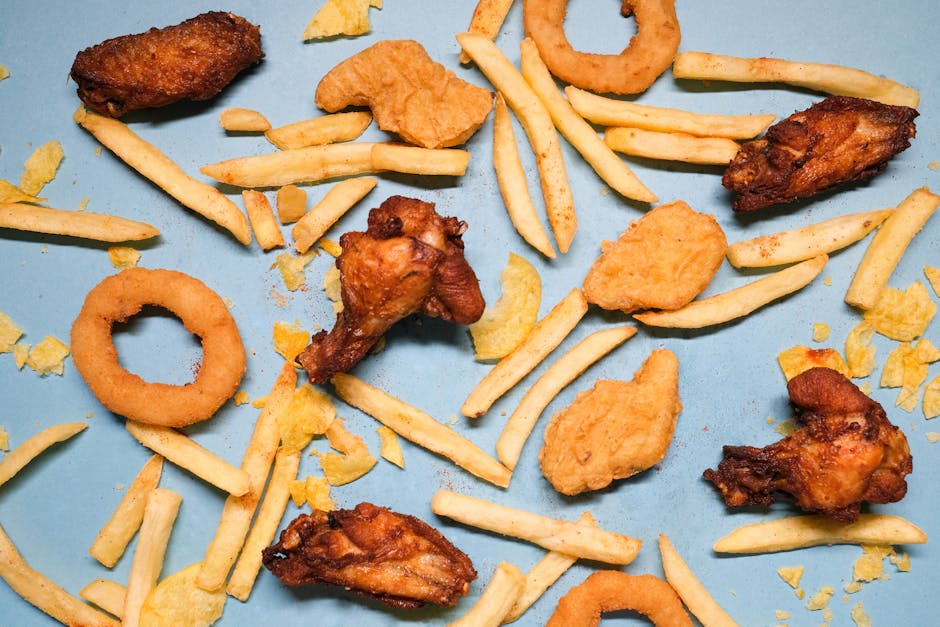
Oh, the allure of crispy fries or a greasy burger! While delicious on a normal day, these are a no-go when your stomach is upset. High-fat foods are much harder for your body to digest. They can slow down gastric emptying, leading to bloating, nausea, and indigestion. Your digestive system has to work overtime to break them down, which is the last thing you want when it’s already struggling.
- What to Eat Instead: Choose lean proteins and healthy fats in moderation. Baked chicken breast, broiled fish, or a simple avocado can be good choices once you’re past the initial acute phase.
3. Dairy Products (Especially for Lactose Sensitivity)
Milk, cheese, ice cream – for many, these are comfort foods. However, if you’re lactose intolerant or even just temporarily sensitive (which can happen when your gut is inflamed), dairy can cause significant issues. Lactose, the sugar in dairy, can be difficult to digest, leading to gas, bloating, cramps, and diarrhea.
- What to Eat Instead: Go for lactose-free alternatives like almond milk, oat milk, or soy milk. Plain, unsweetened yogurt with live cultures might be tolerated by some, as the cultures help break down lactose, but introduce it slowly.
4. Caffeine and Acidic Drinks
That morning coffee might be your ritual, but when your stomach is upset, it’s best to hit pause. Caffeine can stimulate muscle contractions in the digestive tract, potentially worsening diarrhea or stomach cramps. Similarly, highly acidic drinks like orange juice or certain sodas can irritate an already inflamed stomach lining, leading to more discomfort and heartburn.
- What to Eat Instead: Stick to water, herbal teas (ginger or peppermint are excellent choices), or diluted fruit juices (like apple juice).
5. Raw Vegetables and High-Fiber Foods (Temporarily)
Wait, aren’t vegetables good for you? Absolutely! But when your stomach is upset, raw, fibrous vegetables (like broccoli, kale, or onions) can be challenging to digest. The high fiber content, while usually beneficial, can sometimes cause excess gas and bloating in a sensitive system. Think of it like trying to run a marathon when you’re already exhausted.
- What to Eat Instead: Opt for cooked, well-steamed, or boiled vegetables. Think mashed carrots, peeled boiled potatoes, or well-cooked zucchini. These are much easier on your digestive system.
6. Artificial Sweeteners and Sugar Alcohols
Often found in “diet” foods, artificial sweeteners like aspartame, sucralose, and sugar alcohols (sorbitol, mannitol, xylitol) can act as laxatives or cause significant gas and bloating, even in healthy individuals. When your stomach is already unhappy, these can really throw a wrench in your recovery process.
- What to Eat Instead: If you need a touch of sweetness, a small amount of honey or maple syrup might be better tolerated, but generally, it’s best to avoid added sugars and sweeteners altogether during this time.
7. Processed and Sugary Foods
From sugary cereals to pastries and candy, highly processed foods often contain refined sugars, unhealthy fats, and artificial ingredients that offer little nutritional value and can be difficult for your gut to handle. Sugar, in particular, can feed “bad” bacteria in your gut, potentially worsening digestive upset.
- What to Eat Instead: Focus on whole, unprocessed foods. Plain toast, unsweetened applesauce, or a banana are much kinder to a delicate stomach.
8. Alcohol
This one might seem obvious, but it’s worth reiterating. Alcohol is an irritant to the stomach lining and can increase acid production. It also acts as a diuretic, potentially leading to dehydration, which can worsen an upset stomach and overall discomfort. Steer clear until you’re feeling completely better.
- What to Eat Instead: Water, water, water! Staying hydrated is crucial when your stomach is upset. Plain water, coconut water (for electrolytes), or clear broths are your best friends.
The Gentle Giants: What to Eat When Your Tummy’s Grumbling
So, now that we know what to avoid, what *should* you reach for? The key is bland, easily digestible foods that won’t irritate your stomach. Think of the “BRAT” diet, but expanded:
- Bananas: Easy to digest, provide potassium (often lost during vomiting/diarrhea), and can help firm up stool.
- Rice (Plain White): Bland, low in fiber, and provides energy without irritating the gut.
- Applesauce: Cooked apples are easier to digest than raw, and applesauce provides pectin, a soluble fiber that can help soothe the gut.
- Toast (Plain White): Simple carbohydrates that are easy on the stomach. Avoid whole-grain toast initially as the fiber can be too much.
- Ginger: A natural anti-inflammatory and anti-nausea remedy. Ginger tea or small amounts of fresh ginger can be very soothing.
- Peppermint: Can help relax stomach muscles and ease cramping. Peppermint tea is a great option.
- Clear Broths: Chicken or vegetable broth provides fluids, electrolytes, and some nutrients without being heavy.
- Boiled or Steamed Lean Proteins: Once you’re feeling a bit better, small amounts of plain boiled chicken or fish can provide essential protein without being too fatty.
- Oatmeal: Plain, cooked oatmeal (not instant with added sugars) can be a comforting and easily digestible source of energy.
Key Takeaways for a Happy Tummy
- Listen to Your Body: Everyone is different. Pay attention to what makes you feel better or worse.
- Start Small and Bland: When recovering, introduce foods slowly and stick to bland options first.
- Hydration is Key: Drink plenty of water, clear broths, and herbal teas.
- Avoid Irritants: Steer clear of spicy, fatty, acidic, and sugary foods until your stomach has fully recovered.
- Patience is a Virtue: Give your digestive system time to heal. Don’t rush back to your normal diet.
Frequently Asked Questions About Upset Stomachs and Food
Q: How long should I stick to a bland diet after an upset stomach?
A: Generally, it’s a good idea to stick to bland, easily digestible foods for 24-48 hours after your symptoms have subsided. Gradually reintroduce other foods, starting with low-fat, low-fiber options, and see how you feel. If symptoms return, go back to the bland diet for a bit longer.
Q: Can stress cause an upset stomach, and how does diet play into that?
A: Absolutely! The gut and brain are intimately connected (the gut-brain axis). Stress can significantly impact digestion, leading to symptoms like nausea, cramps, and changes in bowel habits. While diet won’t eliminate stress, avoiding irritating foods can prevent stress-induced digestive issues from worsening. Eating soothing foods can also provide a sense of comfort and help calm your system.
Q: When should I see a doctor for an upset stomach?
A: While most upset stomachs resolve on their own with rest and a bland diet, you should see a doctor if you experience severe pain, high fever, bloody or black stools, persistent vomiting (especially if you can’t keep fluids down), signs of dehydration, or if your symptoms last for more than a few days without improvement. Always err on the side of caution when it comes to your health.
There you have it! A comprehensive guide to navigating the challenging waters of an upset stomach. Remember, your body is incredibly resilient, but it needs your help to heal. By being mindful of the 8 Foods To Avoid With an Upset Stomach and What To Eat Instead, you’re giving your digestive system the best chance to recover quickly and get you back to feeling vibrant and energized. So, be kind to your gut, nourish it wisely, and here’s to many more days of happy, healthy digestion!
Written with love and assistance and refined for quality.
{“@context”:”https://schema.org”,”@type”:”Article”,”headline”:”Navigating the Queasy Waters: 8 Foods To Avoid With an Upset Stomach and What To Eat Instead”,”description”:”In this article, weu2019ll explore: 8 Foods To Avoid With an Upset Stomachand What To Eat Instead and why it…”,”author”:{“@type”:”Person”,”name”:”rahuljait”},”datePublished”:”2026-05-09T11:33:35+00:00″,”dateModified”:”2026-05-09T11:33:35+00:00″,”mainEntityOfPage”:”https://healthyworldz.com/navigating-the-queasy-waters-8-foods-to-avoid-with-an-upset-stomach-and-what-to-eat-instead/”,”image”:[“https://healthyworldz.com/wp-content/uploads/2026/05/8-foods-to-avoid-with-an-upset-stomachand-what-to-eat-instead-8.jpg”]}
🔗 Related: Women with polycystic ovary syndrome exhibit…
🔗 Related: Hormonal mechanisms of womens risk in…
🔗 Related: 8 Foods To Avoid With an…