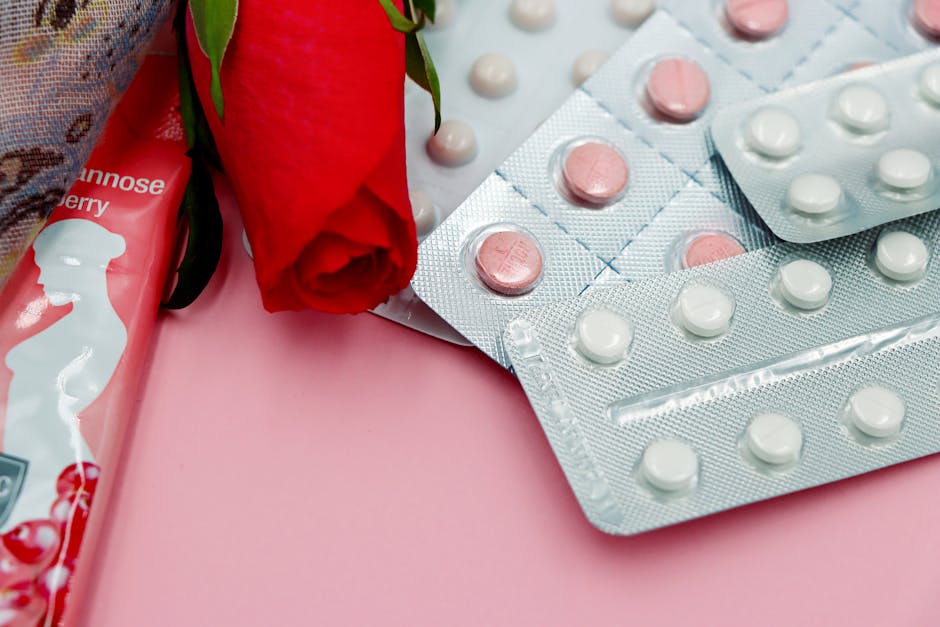
In this article, we’ll explore: Hormonal mechanisms of womens risk in the face of traumatic stress and why it matters today.
Related:
👉 Unpacking the Invisible Burden: How Hormones Shape Women's Risk in the Face of Traumatic Stress
👉 Beyond Skin Deep: Unpacking the Hormonal Mechanisms of Women's Risk in the Face of Traumatic Stress
👉 Navigating the Grumble: 8 Foods To Avoid With an Upset Stomach and What To Eat Instead
Learn more: Hormonal mechanisms of womens risk in the face of traumatic stress on Google Search
Life throws curveballs at all of us. Sometimes, those curveballs are less like a gentle lob and more like a high-speed fastball, leaving us reeling. We call these moments traumatic stress – experiences that shatter our sense of safety and leave a lasting imprint. While trauma doesn’t discriminate, affecting people of all genders, ages, and backgrounds, the way our bodies and minds process and respond to it can be surprisingly different.
Have you ever wondered why, after a shared traumatic event, one person might bounce back relatively quickly while another struggles for years with anxiety, flashbacks, and a profound sense of unease? And more specifically, why do women, statistically speaking, develop conditions like Post-Traumatic Stress Disorder (PTSD) at roughly twice the rate of men? It’s a question that has puzzled researchers and clinicians for decades, and the answer, it turns out, is far more complex than simple “emotional differences.” It’s deeply rooted in our biology, particularly in the intricate dance of hormones that govern a woman’s body.
This isn’t about blaming hormones or suggesting women are “weaker.” Far from it. It’s about understanding the profound and often overlooked **hormonal mechanisms of women’s risk in the face of traumatic stress**. By shedding light on these biological nuances, we can move towards more effective, personalized support and treatment, helping women not just survive trauma, but truly heal and thrive.
The Unseen Divide: Why Women Are Different
Imagine two individuals witnessing the same car accident. Both are shaken, both experience fear. Yet, weeks or months later, the woman might find herself plagued by intrusive thoughts, nightmares, and a constant state of hyper-vigilance, while the man, though still affected, seems to be managing his symptoms more effectively. This isn’t an isolated anecdote; it’s a pattern consistently observed in scientific studies. Women are not only more likely to experience certain types of trauma (like sexual assault), but even when exposed to similar traumas as men, they are significantly more prone to developing PTSD and other trauma-related mental health conditions.
For a long time, explanations focused primarily on psychosocial factors – societal roles, reporting biases, or different coping mechanisms. While these factors certainly play a part, a growing body of research points to a powerful, underlying biological influence: hormones. These chemical messengers, often associated primarily with reproduction, actually exert widespread effects throughout the brain and body, profoundly shaping how we perceive, react to, and recover from stress.
The Hormone Orchestra: Estrogen, Progesterone, and Cortisol
Think of your hormones as a complex orchestra, constantly playing a symphony that influences everything from your mood and energy levels to your sleep and stress response. For women, this orchestra has a particularly dynamic and ever-changing repertoire, largely driven by the ebb and flow of estrogen and progesterone. When a traumatic event strikes, these hormonal fluctuations can dramatically alter the body’s stress response system, sometimes amplifying vulnerability.
Estrogen: The Double-Edged Sword
Estrogen, often hailed as the quintessential “female hormone,” is far more than just a reproductive player. It’s a neurosteroid, meaning it actively influences brain function. It affects areas crucial for memory, emotion regulation, and fear processing, such as the amygdala (our brain’s fear center) and the prefrontal cortex (responsible for rational thought and decision-making).
* **The Bright Side:** At certain levels, estrogen can be protective. It can enhance the brain’s ability to form new connections, which is vital for learning and adapting. It can also influence serotonin and dopamine systems, which regulate mood.
* **The Shadow Side:** The *fluctuations* of estrogen are key. When estrogen levels are high, the amygdala can become more active, potentially leading to a heightened fear response. Conversely, rapid drops in estrogen can leave the brain less resilient, making it harder to extinguish fear memories. Imagine a woman experiencing a traumatic event during ovulation, when estrogen peaks. Her immediate fear response might be intensely amplified compared to a time when her estrogen levels are lower, potentially embedding the trauma more deeply.
Progesterone and Allopregnanolone: The Calming (or Not So Calming) Influence
Progesterone is another vital female hormone, often working in conjunction with estrogen. One of its key metabolites, allopregnanolone (ALLO), is a powerful neurosteroid known for its calming, anti-anxiety effects. ALLO acts on GABA receptors in the brain, essentially putting the brakes on an overactive nervous system, helping us relax and feel less stressed.
* **The Calming Presence:** When progesterone and, consequently, ALLO levels are healthy, they can act as a natural buffer against stress, helping to dampen the fight-or-flight response and promote recovery.
* **The Sudden Withdrawal:** The problem arises when progesterone levels drop rapidly. This sudden withdrawal can strip away ALLO’s calming influence, leaving the brain exposed and more vulnerable to anxiety and fear. Think about the premenstrual phase, or the postpartum period – times when progesterone plummets. If a woman experiences trauma during these phases, the sudden loss of ALLO’s protective effect can significantly increase her risk of developing severe, persistent trauma symptoms. It’s like suddenly removing the shock absorbers from a car just before hitting a bumpy road.
Cortisol: The Universal Stress Hormone, with a Twist
Cortisol is the body’s primary stress hormone, part of the hypothalamic-pituitary-adrenal (HPA) axis, our central stress response system. When we face a threat, cortisol surges, providing the energy and focus needed to fight or flee. While both men and women produce cortisol, the way their HPA axis is regulated, and how it responds to stress, can differ significantly due to sex hormones.
* **A Different Dance:** Research suggests that women’s HPA axis might be more sensitive or react differently to stress. Estrogen and progesterone can modulate cortisol release and its effects. This can sometimes lead to a more prolonged or dysregulated cortisol response in women after trauma, contributing to chronic stress and difficulty recovering. For example, some studies show women experiencing a more exaggerated cortisol response to psychological stressors compared to men, or a slower return to baseline after the threat has passed. This prolonged activation can wear down the body and brain, making it harder to process and integrate traumatic memories.
The Menstrual Cycle, Pregnancy, and Menopause: Hormonal Rollercoasters and Risk
A woman’s life is marked by distinct hormonal phases, each presenting unique opportunities and vulnerabilities when it comes to traumatic stress.
The Cycle’s Shadow: Trauma and Menstruation
The average menstrual cycle is a monthly symphony of hormonal shifts. The follicular phase (before ovulation) is typically dominated by rising estrogen, while the luteal phase (after ovulation) sees a surge in progesterone, followed by a sharp drop before menstruation. These fluctuations can influence how the brain responds to stress and trauma.
* **Follicular Phase (Higher Estrogen):** Some research suggests that higher estrogen levels during this phase might enhance fear conditioning, making it easier to form traumatic memories.
* **Luteal Phase (Higher Progesterone, then Drop):** While progesterone initially offers some calming effects, the rapid drop just before menstruation can leave women feeling more anxious, irritable, and vulnerable. Trauma experienced during this premenstrual window, when ALLO’s protective effects are waning, might be particularly challenging to process, leading to more severe and persistent symptoms.
Pregnancy and Postpartum: A Time of Unique Vulnerability
Pregnancy is a period of immense hormonal change, with estrogen and progesterone soaring to unprecedented levels. While these hormones support fetal development, they also profoundly impact the mother’s brain and mood. The postpartum period, however, is characterized by a dramatic, sudden plummet in these hormones, often within hours or days of childbirth.
* **The Postpartum Plunge:** This rapid hormonal withdrawal, particularly of progesterone and ALLO, can leave new mothers highly susceptible to mood disturbances, anxiety, and an increased risk of PTSD, especially if they experienced a traumatic birth or other stressors during this time. Imagine a new mother, already sleep-deprived and overwhelmed, whose brain is suddenly stripped of its natural calming agents. If she then experiences a traumatic event, her capacity to cope can be severely compromised.
Menopause: When Hormones Take a Dive
As women transition through perimenopause and into menopause, estrogen levels steadily decline and eventually stabilize at a much lower point. This significant hormonal shift can have a profound impact on brain health and emotional regulation.
* **Estrogen Withdrawal in Midlife:** The decrease in estrogen can affect neurotransmitter systems, leading to symptoms like hot flashes, sleep disturbances, mood swings, and increased anxiety. For women who have experienced past trauma, or who encounter new traumatic stressors during this phase, the loss of estrogen’s neuroprotective and mood-regulating effects can unmask or exacerbate trauma symptoms, making them feel more vulnerable and less resilient. This is a critical time when past trauma can resurface with renewed intensity.
Beyond Hormones: The Interplay of Biology and Environment
It’s crucial to remember that hormones aren’t the *sole* determinant of a woman’s risk for trauma-related disorders. They are powerful players in a complex orchestra, but there are many other instruments in the ensemble.
* **Genetics:** Our individual genetic makeup can influence how our bodies produce and respond to hormones, as well as our baseline resilience.
* **Prior Trauma History:** Experiencing trauma earlier in life can “sensitize” the stress response system, making future traumatic events more impactful.
* **Social Support:** A strong network of supportive friends and family can be a significant protective factor.
* **Societal Expectations and Cultural Factors:** The unique pressures and experiences faced by women in different cultures can also influence how trauma is perceived, expressed, and healed.
* **Life Stressors:** The cumulative effect of ongoing life stress can deplete resources and make individuals more vulnerable to the impact of acute trauma.
The interplay between these biological, psychological, and social factors creates a unique tapestry of risk and resilience for each individual. Understanding the hormonal threads within this tapestry, however, offers a powerful new lens through which to view women’s experiences with traumatic stress.
Key Takeaways
* Women are significantly more likely than men to develop PTSD and other trauma-related conditions after experiencing traumatic stress.
* This increased risk is partly due to the complex and fluctuating nature of female hormones, particularly estrogen and progesterone.
* **Estrogen** can influence fear processing and memory, with its fluctuations potentially increasing vulnerability or enhancing fear conditioning.
* **Progesterone** and its metabolite, **allopregnanolone (ALLO)**, have calming effects, but rapid drops (e.g., premenstrually, postpartum) can remove this buffer, increasing anxiety and vulnerability.
* The **menstrual cycle**, **pregnancy/postpartum period**, and **menopause** are distinct hormonal phases that can significantly impact a woman’s susceptibility to and recovery from trauma.
* Understanding these hormonal mechanisms is crucial for developing more targeted and effective support and treatment strategies for women.
* Hormones are not the only factor; genetics, social support, and life experiences also play vital roles.
FAQ Section
Q: Does this mean women are “weaker” or more “emotional”?
Absolutely not. It means women’s biology is different, and these differences can lead to unique vulnerabilities when it comes to traumatic stress. It highlights the need for a nuanced understanding, not judgment, and emphasizes that these are biological mechanisms, not character flaws.
Q: What can be done to help women who are struggling with trauma, considering these hormonal influences?
Recognizing these influences opens doors for more personalized care. This could include:
- Considering a woman’s menstrual cycle phase when planning therapy sessions.
- Supporting hormonal balance through lifestyle, nutrition, and sometimes, medical interventions.
- Developing trauma therapies that specifically address the unique ways women process fear and memory.
- Increased awareness and support during vulnerable hormonal periods like postpartum and perimenopause.
Q: Are there specific therapies that address these hormonal aspects?
While most traditional trauma therapies (like Cognitive Behavioral Therapy – CBT, Eye Movement Desensitization and Reprocessing – EMDR) don’t directly target hormones, understanding their role can inform how these therapies are applied. For example, a therapist might be more attuned to mood fluctuations during different cycle phases. Additionally, research is ongoing into pharmacological interventions that might modulate hormonal effects, as well as lifestyle interventions (diet, exercise, stress reduction) that can support overall hormonal health.
Q: If I’ve experienced trauma, should I get my hormones tested?
It’s always a good idea to discuss any health concerns with your doctor. While routine hormone testing specifically for trauma risk isn’t standard, if you’re experiencing significant mood swings, irregular cycles, or symptoms related to perimenopause or postpartum, discussing these with your healthcare provider is wise. They can help determine if hormonal imbalances are contributing to your overall well-being and stress response.
Moving Forward with Understanding and Compassion
The journey through and beyond traumatic stress is deeply personal, yet it’s also profoundly influenced by our shared human biology. By delving into the intricate **hormonal mechanisms of women’s risk in the face of traumatic stress**, we’re not just uncovering scientific facts; we’re building a foundation for greater empathy, more effective interventions, and a future where every individual, regardless of their biological predispositions, can find the path to healing.
Understanding these unseen tides within us is the first step towards navigating them with strength, wisdom, and compassion. If you or someone you know is struggling with the aftermath of trauma, please reach out for professional help. You don’t have to navigate these complex waters alone.
Written with love and assistance and refined for quality.
{“@context”:”https://schema.org”,”@type”:”Article”,”headline”:”The Unseen Tides: Unraveling the Hormonal Mechanisms of Women’s Risk in the Face of Traumatic Stress”,”description”:”In this article, weu2019ll explore: Hormonal mechanisms of womens risk in the face of traumatic stress and why it matters…”,”author”:{“@type”:”Person”,”name”:”rahuljait”},”datePublished”:”2026-05-09T17:42:34+00:00″,”dateModified”:”2026-05-09T17:42:34+00:00″,”mainEntityOfPage”:”https://healthyworldz.com/the-unseen-tides-unraveling-the-hormonal-mechanisms-of-womens-risk-in-the-face-of-traumatic-stress/”,”image”:[“https://healthyworldz.com/wp-content/uploads/2026/05/hormonal-mechanisms-of-womens-risk-in-the-face-of-traumatic-stress-23.jpg”]}
🔗 Related: Hormonal mechanisms of womens risk in…
🔗 Related: Hormonal mechanisms of womens risk in…
🔗 Related: Hormonal mechanisms of womens risk in…