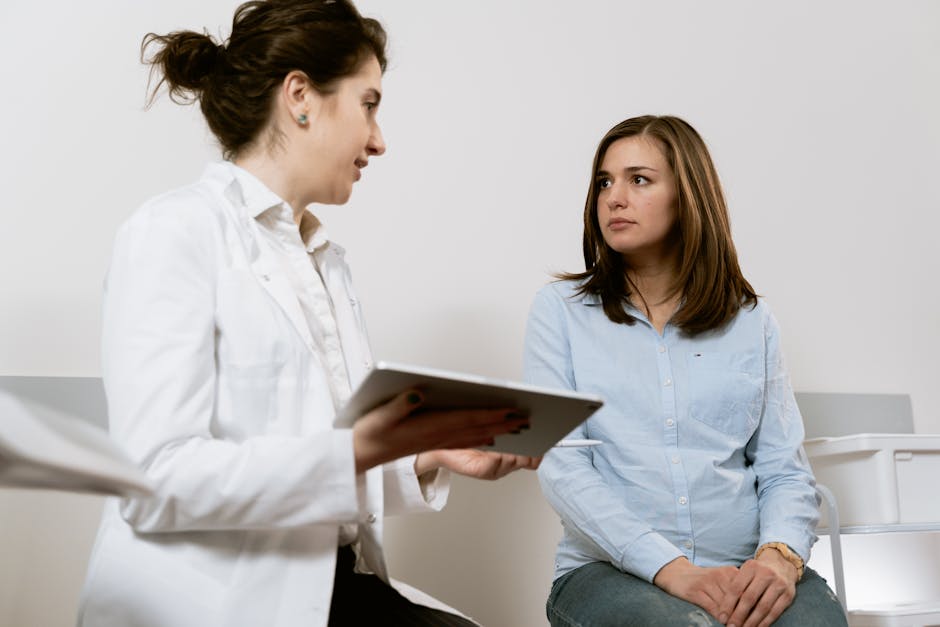
In this article, we’ll explore: women health and why it matters today.
Related:
👉 The Invisible Blueprint: Understanding the Hormonal Mechanisms of Women’s Risk in the Face of Traumatic Stress
👉 It Shouldn’t Take Ten Years to Get an Answer: Why Womens Health Needs a System Redesign to Close the Diagnostics Gap
👉 Why Biology Matters: Understanding the Hormonal Mechanisms of Women’s Risk in the Face of Traumatic Stress
Learn more: women health on Wikipedia
Let’s be honest for a second: being a woman is a bit of a marathon. From managing careers and families to navigating the complex world of hormones and social expectations, our plates aren’t just full—they’re usually overflowing. Too often, in the middle of taking care of everyone else, our own well-being slips to the bottom of the “to-do” list. We tell ourselves, “I’ll book that doctor’s appointment next month,” or “I’m just tired because I’m busy.”
But here is the truth: women health isn’t just about the absence of illness. It’s about having the energy to enjoy your life, the mental clarity to make decisions, and the physical strength to carry you through your decades. It is about thriving, not just surviving.
In this guide, we’re going to strip away the clinical jargon and talk heart-to-heart about what it really means to stay healthy as a woman in the modern world. We’ll look at everything from the food on your plate to the thoughts in your head, and how you can reclaim your vitality one small step at a time.
The Foundation: Fueling Your Body Without the Stress
If you open any social media app, you’ll see a million different opinions on what women should eat. One person says “no carbs,” another says “only plants,” and a third is trying to sell you a “detox tea.” It’s enough to make you want to give up and just eat a bowl of cereal for dinner.
When we talk about nutrition in the context of women health, we need to focus on what our bodies actually need to function. Women have unique nutritional requirements that change as we age. For instance, because of our monthly cycles, many of us are prone to iron deficiency. If you’ve been feeling unusually sluggish, it might not be your schedule—it might be your iron levels.
The Power of “Crowding Out”
Instead of focusing on what you can’t have, try the “crowding out” method. This means adding so many good things to your plate that there’s naturally less room for the processed stuff. Think about adding a handful of spinach to your morning eggs, or swapping your afternoon chips for an apple and almond butter.
- Calcium and Vitamin D: Essential for bone health, especially as we move toward menopause.
- Healthy Fats: Think avocados and walnuts. These are the building blocks of your hormones.
- Fiber: It keeps your digestion moving and helps clear excess estrogen from your system.
The Invisible Piece: Mental Health and the “Mental Load”
You’ve probably heard the term “mental load.” It’s that invisible running list in your head: Did I sign the permission slip? Is there milk in the fridge? When was the last time the dog went to the vet? This constant mental processing is a significant factor in women health that often goes unaddressed.
Chronic stress isn’t just a “feeling.” It has physical consequences. It raises your cortisol levels, which can lead to weight gain around the middle, disrupted sleep, and even issues with fertility or menstruation. Taking care of your mind is just as “medical” as taking a vitamin.
A Real-World Example: Sarah’s Story
Take my friend Sarah, for example. Sarah is a high-achieving marketing manager and a mother of two. For months, she struggled with persistent headaches and skin breakouts. She tried expensive creams and painkillers, but nothing worked. It wasn’t until she started a “10-minute digital detox” every evening—putting her phone in a drawer and just sitting in silence—that her symptoms began to fade. Her body wasn’t failing; it was just screaming for a break from the constant stimulation.
Hormones: The Silent Conductors
Hormones are like the conductors of an orchestra. When they are in sync, everything sounds beautiful. When one is out of tune, the whole performance falls apart. Throughout a woman’s life, these hormones shift dramatically during puberty, pregnancy, postpartum, and menopause.
Understanding Your Cycle
If you are in your reproductive years, your “women health” journey is dictated by a four-phase cycle. You aren’t meant to feel the same every single day!
- Follicular Phase: You might feel more energetic and creative.
- Ovulatory Phase: This is often when you feel most social and confident.
- Luteal Phase: You might start to turn inward and need more rest.
- Menstrual Phase: A time for reflection and physical recovery.
The Transition to Menopause
Perimenopause can start years before your period actually stops. Symptoms like brain fog, night sweats, and irritability are common but often misunderstood. If you feel “off,” don’t let anyone tell you it’s just in your head. Modern medicine has many ways to help manage these transitions, from lifestyle changes to hormone replacement therapy (HRT).
Movement That Actually Feels Good
We need to stop viewing exercise as a punishment for what we ate. Instead, view it as a celebration of what your body can do. For women health, a mix of activities is usually best. Strength training is particularly important because it helps maintain bone density and muscle mass as we age.
You don’t need to spend two hours at the gym. Can you take a 20-minute walk after dinner? Can you do a 10-minute yoga flow in your living room? Consistency beats intensity every single time. Find something you actually enjoy—whether it’s dancing, hiking, or swimming—and your body will thank you.
The Power of Preventative Care
I know, nobody likes going to the doctor when they feel fine. But preventative care is the cornerstone of long-term health. Regular screenings can catch issues before they become “big” problems. This includes:
- Pap Smears and HPV Testing: Critical for cervical health.
- Mammograms: Usually starting around age 40 or 50, depending on your family history.
- Blood Pressure and Cholesterol Checks: Heart disease is actually the leading cause of death for women, yet it’s often discussed as a “man’s issue.”
- Skin Checks: Don’t forget to have a dermatologist look at those moles!
Sleep: The Ultimate Bio-Hack
If there was a pill that could improve your mood, clear your skin, balance your hormones, and help you lose weight, it would be a billion-dollar product. That “pill” is sleep. Yet, women are statistically more likely to suffer from insomnia than men.
Prioritizing sleep isn’t lazy; it’s essential. Try to keep your bedroom cool and dark, and try to go to bed at the same time most nights. Even an extra 30 minutes of sleep can dramatically change how you handle stress the next day.
Key Takeaways for Women Health
- Listen to your “Check Engine” light: Fatigue, pain, and mood swings are signals from your body. Don’t ignore them.
- Personalize your nutrition: Focus on whole foods, healthy fats, and enough iron and calcium.
- Prioritize mental rest: Set boundaries and find ways to lower your mental load.
- Embrace strength: Lift weights or do bodyweight exercises to protect your bones.
- Don’t skip the basics: Sleep, hydration, and regular check-ups are the foundation of everything else.
Frequently Asked Questions
How often should I really be seeing my doctor?
Generally, an annual well-woman exam is recommended. This is a great time to discuss your overall health, get necessary screenings, and talk about any changes in your cycle or mood. However, if you notice something unusual—like a new lump or persistent pain—don’t wait for your annual visit.
Why am I so tired all the time even when I sleep?
Persistent fatigue can be caused by many things, including iron deficiency (anemia), thyroid issues, or high stress levels. It’s worth getting blood work done to check your levels. Sometimes, “tired” is a sign that your body is struggling to keep up with internal demands.
Is it normal for my mood to change so much before my period?
While some mood shifts are normal due to hormonal fluctuations, severe symptoms that interfere with your life might be Premenstrual Dysphoric Disorder (PMDD). If you feel like a completely different person for a week every month, talk to a professional. You don’t have to just “tough it out.”
At what age should I start worrying about bone health?
Now! Bone density is built primarily during your younger years and early adulthood. However, you can protect your bones at any age through weight-bearing exercise and ensuring you get enough Vitamin D and Calcium.
Conclusion
Taking care of women health isn’t about achieving perfection. It’s not about having the perfect body or never feeling stressed. It’s about building a relationship with yourself where you actually listen to what you need. It’s about realizing that you are worth the time it takes to cook a healthy meal, the effort it takes to set a boundary, and the courage it takes to ask a doctor for help.
Start small. Maybe today, you just drink an extra glass of water or go to bed 15 minutes earlier. These small wins stack up. You’ve spent so much time taking care of the world; it’s time to turn some of that care inward. You deserve to feel good.
Written with love and assistance and refined for quality.
{“@context”:”https://schema.org”,”@type”:”Article”,”headline”:”More Than Just a Check-up: A Real-Talk Guide to Women Health and Well-being”,”description”:”In this article, weu2019ll explore: women health and why it matters today.Related:ud83dudc49 The Invisible Blueprint: Understanding the Hormonal Mechanisms of…”,”author”:{“@type”:”Person”,”name”:”Dr. Cuterus”},”datePublished”:”2026-06-06T23:06:07+00:00″,”dateModified”:”2026-06-06T23:06:07+00:00″,”mainEntityOfPage”:”https://healthyworldz.com/more-than-just-a-check-up-a-real-talk-guide-to-women-health-and-well-being/”,”image”:[“https://healthyworldz.com/wp-content/uploads/2026/06/women-health.jpg”]}
🔗 Related: Hormonal mechanisms of womens risk in…
🔗 Related: Hormonal mechanisms of womens risk in…
🔗 Related: Why womens health needs a system…