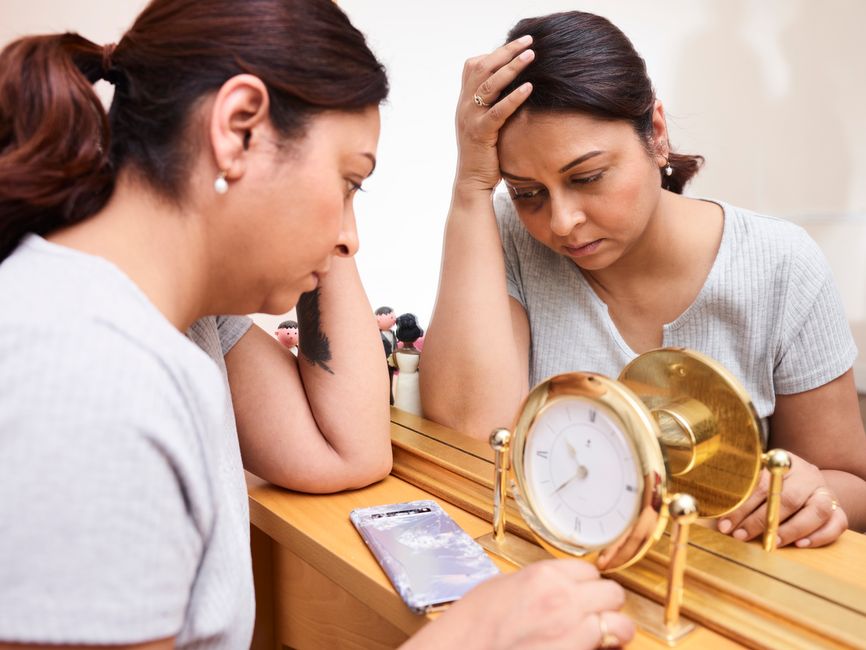
In this article, we’ll explore: Hormonal mechanisms of womens risk in the face of traumatic stress and why it matters today.
Related:
👉 The Scale Is Lying to You: Why Am I Losing Inches But Not Weight? Here Are 4 Possible Reasons The Scale Isn't Changing
👉 Why Stress Hits Differently: Understanding the Hormonal Mechanisms of Women’s Risk in the Face of Traumatic Stress
👉 Why the Gap is Growing: Making Sense of the Widening Gender Mental Health Gap and What Teenage Girls Told Us
Learn more: Hormonal mechanisms of womens risk in the face of traumatic stress on Google Search
Imagine two people standing on a street corner when a car swerves and crashes into a fire hydrant. One is a man, the other a woman. Both experience the same shock, the same loud bang, and the same rush of adrenaline. But weeks later, their paths to recovery might look very different. While one might shake it off after a few days, the other might find themselves jumping at loud noises or struggling with intrusive memories for months.
For a long time, researchers chalked these differences up to “personality” or “emotional sensitivity.” But science has finally caught up with reality. We now know that the way we process trauma isn’t just about our minds; it’s about our biology. Specifically, the hormonal mechanisms of womens risk in the face of traumatic stress play a massive role in how the female brain encodes, stores, and eventually heals from a scary event.
If you’ve ever felt like your body was “stuck” in a state of high alert after a stressful period, you aren’t imagining things. There is a complex, chemical dance happening inside you. Let’s break down why women’s bodies react the way they do and what the science says about the unique risks and strengths of the female stress response.
The Invisible Shield: Why Hormones Matter
When we talk about “stress,” we usually think of the feeling of being overwhelmed. But biologically, stress is a physical reaction. It’s the release of cortisol and adrenaline. In women, however, these stress hormones don’t work in a vacuum. They are constantly interacting with sex hormones like estrogen and progesterone.
Think of your hormones like a thermostat in a house. In a typical male body, the thermostat stays relatively steady. In a female body, that thermostat is constantly being adjusted due to the menstrual cycle, pregnancy, or menopause. Because these hormones influence the brain’s “fear center,” their fluctuating levels can either act as a shield against trauma or, in some cases, leave the door wide open for long-term distress.
The Role of Estrogen in Fear Extinction
One of the most fascinating areas of research involves a process called “fear extinction.” This is a fancy way of saying “learning that you are safe again.” For example, if you were bitten by a dog, fear extinction is the process where your brain learns that most dogs are actually friendly and you don’t need to panic every time you see a puppy.
Studies have shown that estrogen plays a key role in this process. When estrogen levels are high, the brain is generally better at “unlearning” fear. It’s as if the estrogen provides the brain with the tools it needs to file the traumatic memory away in a “past events” folder. However, when estrogen levels are low, the brain struggles to signal that the danger has passed. This is a primary factor in the hormonal mechanisms of womens risk in the face of traumatic stress.
The “Window of Vulnerability”
Timing is everything. Research suggests that when a woman experiences a traumatic event can be just as important as what the event was. There is a specific “window of vulnerability” during the menstrual cycle—specifically the mid-luteal phase (right before a period)—when progesterone is high and estrogen is dropping.
During this time, the brain’s amygdala (the alarm system) is more reactive, and the prefrontal cortex (the logical part of the brain) has a harder time calming it down. If a trauma occurs during this specific window, the risk of developing Post-Traumatic Stress Disorder (PTSD) can actually increase. This isn’t because women are “weaker,” but because the brain’s chemical environment at that moment makes it harder to process the shock efficiently.
Real-World Example: Sarah’s Story
Consider Sarah, a nurse who witnessed a traumatic accident at work. It happened during a week when her estrogen levels were at their peak. Despite the shock, her brain was biologically “primed” to process the stress. She had a few rough nights of sleep, talked it out with a therapist, and within a month, she felt back to herself.
Now consider her colleague, Maria, who witnessed the same event but was in the low-estrogen phase of her cycle. Maria’s brain struggled to “shut off” the alarm. She began experiencing flashbacks and severe anxiety. The difference wasn’t their resilience; it was the hormonal landscape of their brains at the moment of impact.
The Amygdala and the Prefrontal Cortex: A Tug of War
To understand the hormonal mechanisms of womens risk in the face of traumatic stress, we have to look at the “tug of war” happening in the brain. We have two main players here:
- The Amygdala: The emotional smoke detector. It senses danger and screams “Fire!”
- The Prefrontal Cortex: The wise CEO. It looks at the situation and says, “Wait, that’s just a toaster burning, we’re okay.”
In women, estrogen helps the “CEO” stay in control. It strengthens the connection between these two areas. When estrogen is low, that connection weakens. The “smoke detector” starts screaming, and there’s no one there to tell it to be quiet. This can lead to a state of chronic hyper-vigilance, where the body feels like it’s constantly under threat even when it’s perfectly safe.
Progesterone and the “Calm Down” Chemical
Progesterone is often called the “relaxing” hormone because it breaks down into a neurosteroid called allopregnanolone (or “allo”). Allo acts on the same receptors in the brain as anti-anxiety medications. However, in some women, the brain doesn’t respond to “allo” correctly, or the sudden drop in progesterone before a period causes a “withdrawal” effect. This can make the world feel much more threatening and make recovery from stress much harder.
Why Women are Twice as Likely to Develop PTSD
It is a well-documented fact that women are about twice as likely as men to be diagnosed with PTSD. For a long time, people thought this was simply because women were more likely to report their symptoms. While that might be a small part of it, the biological reality of hormonal mechanisms of womens risk in the face of traumatic stress provides a much more complete answer.
It’s not just about the hormones we have; it’s about how those hormones interact with our stress systems over a lifetime. Factors like hormonal birth control, pregnancy, and even the transition into menopause can all shift how a woman’s body handles a crisis. For instance, some studies suggest that women on certain types of oral contraceptives might have a different stress response than those with natural cycles, though research in this area is still evolving.
How We Can Use This Knowledge to Heal
Understanding the biology of trauma isn’t meant to be discouraging. In fact, it’s incredibly empowering. When we realize that our reactions are rooted in biology, it removes the shame. It’s not “all in your head”—it’s in your hormones, your neurons, and your blood.
Here are a few ways this knowledge can change the approach to recovery:
- Cycle Tracking: For women who have experienced trauma, tracking their cycle can help them identify “high-risk” days where they might feel more triggered or anxious.
- Targeted Therapy: Therapists can use this information to timing certain interventions, like EMDR or exposure therapy, to phases of the cycle where the brain is most receptive to “unlearning” fear.
- Hormonal Support: In some cases, working with an endocrinologist or a psychiatrist to balance hormones can be a vital piece of the mental health puzzle.
- Mindfulness and Grounding: Because we know the “tug of war” is happening, we can use physical grounding techniques to manually help the prefrontal cortex regain control over the amygdala.
Key Takeaways
- Hormones are Modulators: Estrogen and progesterone don’t cause trauma, but they heavily influence how the brain processes it.
- Fear Extinction: High estrogen levels generally help the brain realize when a threat is over, making it easier to recover from stress.
- The Luteal Phase Risk: Women may be more vulnerable to the long-term effects of trauma if it occurs during the low-estrogen, high-progesterone phase of their cycle.
- Biological, Not Emotional: The higher rate of PTSD in women is linked to complex hormonal mechanisms, not a lack of mental toughness.
- Personalized Care: Treatment for trauma should ideally take a woman’s hormonal health and cycle into account for the best results.
Frequently Asked Questions
Does being on birth control affect how I handle stress?
It can. Hormonal contraceptives level out your natural estrogen and progesterone fluctuations. Some studies suggest this can actually provide a stabilizing effect for some women, while for others, it might slightly change how their brain processes emotional memories. It’s a very individual experience.
Is PTSD in women permanent because of these hormones?
Absolutely not. The brain is incredibly “plastic,” meaning it can change and heal. Understanding the hormonal mechanisms of womens risk in the face of traumatic stress simply helps us find better, more specific ways to support that healing process.
Can menopause make old trauma resurface?
Yes, it’s quite common. As estrogen levels drop significantly during menopause, the “shield” we talked about earlier weakens. This can sometimes cause old memories or anxieties to feel more vivid or difficult to manage. Many women find that seeking support during this transition is very helpful.
What is the best way to support a woman going through a stressful time?
Validation is key. Acknowledge that her physical response—the racing heart, the anxiety—is a real biological event. Encouraging a mix of professional support and gentle self-care that respects her body’s natural rhythms can make a world of difference.
Final Thoughts
The conversation around the hormonal mechanisms of womens risk in the face of traumatic stress is still growing. For too long, women’s health was studied as if it were identical to men’s health, just with different “parts.” We now know that our very chemistry changes the way we experience the world.
If you have lived through trauma and find yourself struggling, please know that your body is doing exactly what it was programmed to do: try to keep you safe. By understanding the “why” behind our reactions, we can stop blaming ourselves for our symptoms and start using science to find our way back to peace. You are not broken; you are biological. And biology, fortunately, is something we are learning more about every single day.
Written with love and assistance and refined for quality.
🔗 Related: Why womens health needs a system…