In this article, we’ll explore: BcozSheMatters: WHO Health Ministry roll out campaign on women and girls health and well-being and why it matters today.
Related:
👉 It’s Time to Listen: Why Women’s Health Needs a System Redesign to Close the Diagnostics Gap
👉 BcozSheMatters: Why the New WHO and Health Ministry Campaign is a Game-Changer for Women Everywhere
👉 Why Conception is Challenging with PCOS: The Role of Histone Lactylation and Endometrial Receptivity
Imagine a small village where a young mother named Elena lives. Elena is hardworking, vibrant, and the glue that holds her family together. But for years, Elena ignored the persistent fatigue and the dull ache in her back. Why? Because in her community, like in many parts of the world, a woman’s health often takes a backseat to the needs of her children, her husband, and her aging parents. She didn’t have the information, the money, or the “permission” to put herself first.
Stories like Elena’s are exactly why the latest global initiative is making waves. The BcozSheMatters: WHO Health Ministry roll out campaign on women and girls health and well-being is not just another bureaucratic announcement. It is a loud, clear, and much-needed declaration that the health of a society is directly tied to the health of its women and girls.
In this post, we’re going to explore what this campaign is all about, why it’s a game-changer, and how it aims to transform the lives of millions of women across the globe.
What is the #BcozSheMatters Campaign All About?
At its heart, the “BcozSheMatters: WHO Health Ministry roll out campaign on women and girls health and well-being” is a collaborative effort between the World Health Organization and national Health Ministries. It’s designed to bridge the gap between medical policy and the actual lived experiences of women.
For too long, healthcare has been “gender-neutral” in a way that actually ignores the specific biological and social needs of women. From maternal mortality rates to the lack of research into conditions like endometriosis, the gaps are wide. This campaign is the bridge. It focuses on three main pillars: accessibility, education, and dignity.
1. Accessibility: Bringing the Clinic to the Community
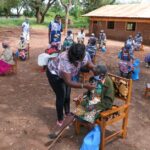
It’s not enough to have a hospital in a big city if a girl in a rural outpost can’t reach it. The campaign encourages ministries to invest in mobile health clinics and community health workers who can provide screenings for cervical cancer, prenatal checkups, and vaccinations right at the doorstep.
2. Education: Knowledge is Power
Many health issues go untreated because of a lack of awareness. The campaign uses digital media, local radio, and community workshops to teach girls about menstrual hygiene, nutrition, and mental health. When a girl knows what’s “normal” for her body, she’s empowered to speak up when something feels wrong.
3. Dignity: Removing the Stigma
Whether it’s the stigma surrounding menstruation or the shame often attached to seeking mental health support, “BcozSheMatters” aims to normalize these conversations. It’s about treating a woman’s health journey with the respect and urgency it deserves.
Why Now? The Urgent Need for Change
You might wonder, “Why is this happening now?” The truth is, the global pandemic set back women’s health progress by nearly a decade. Routine screenings were missed, maternal health services were stretched thin, and domestic stress levels skyrocketed.
The BcozSheMatters: WHO Health Ministry roll out campaign on women and girls health and well-being acts as a “reset button.” It’s a recognition that we cannot build a resilient future if half the population is struggling with preventable health issues. When a woman is healthy, she can participate in the workforce, lead her community, and ensure her children are educated and nourished. The ripple effect is massive.
Real-World Impact: Stories from the Ground
To understand the weight of this campaign, let’s look at a few examples of how these policies translate into real-life changes.
- In Sub-Saharan Africa: New “Safe Spaces” are being established where teenage girls can receive HPV vaccinations and reproductive health education without fear of judgment. This is directly reducing the rates of early-age cervical cancer.
- In South Asia: Health Ministries are partnering with local schools to provide free menstrual products and clean sanitation facilities. This ensures that girls don’t miss school five days every month, keeping them on track for their education.
- In Urban Centers: Mental health hotlines specifically for women dealing with postpartum depression or workplace burnout are being integrated into national health systems, providing a lifeline for those who feel invisible.
The Holistic Approach: It’s More Than Just Medicine
One of the most refreshing aspects of the “BcozSheMatters: WHO Health Ministry roll out campaign on women and girls health and well-being” is its holistic view. It recognizes that health isn’t just the absence of disease—it’s a state of complete physical, mental, and social well-being.
Nutrition and Food Security
Anemia remains a massive problem for girls globally. The campaign works with agricultural sectors to ensure that women have access to iron-rich foods and supplements. A well-nourished girl is a girl who can think, learn, and grow.
Safe Environments
Health is also about safety. The campaign advocates for better lighting in public spaces and safer transport, recognizing that the fear of violence is a significant stressor that impacts a woman’s mental and physical health.
Economic Empowerment
There is a direct link between financial independence and health. When a woman has her own income, she is more likely to spend it on healthcare for herself and her children. The campaign supports initiatives that help women enter the workforce, knowing that a paycheck can sometimes be as important as a prescription.
How You Can Support the Movement
You don’t have to be a doctor or a politician to make a difference. The “BcozSheMatters: WHO Health Ministry roll out campaign on women and girls health and well-being” thrives on community support and conversation.
- Share Information: Use your social media platforms to share credible health information. Use the hashtag #BcozSheMatters to join the global conversation.
- Support Local Initiatives: Look for NGOs in your area that focus on women’s health and see how you can volunteer or donate.
- Start Conversations: Talk to the women in your life. Ask them how they are really doing. Sometimes, the simple act of being heard can be the first step toward healing.
Key Takeaways
If you’re looking for the “too long; didn’t read” version, here are the essential points to remember about the BcozSheMatters: WHO Health Ministry roll out campaign on women and girls health and well-being:
- Global Collaboration: It’s a massive joint effort between the WHO and national governments to prioritize female health.
- Focus on Lifecycle: The campaign covers everyone from young girls needing vaccines to elderly women needing geriatric care.
- Breaking Taboos: It aims to end the stigma around menstruation, menopause, and mental health.
- Economic Impact: Healthy women lead to healthy economies and more stable societies.
- Action-Oriented: It’s not just about talk; it’s about building clinics, training workers, and providing actual medical supplies.
The Road Ahead
The rollout of this campaign is a marathon, not a sprint. There will be challenges—funding gaps, cultural resistance, and logistical hurdles. However, the momentum is undeniable. For the first time in a long time, the global health agenda is looking directly at women and saying, “We see you, we value you, and your health is our priority.”
As the campaign moves forward, we can expect to see more data-driven policies and more stories of empowerment. Because at the end of the day, we don’t just support this initiative because it’s a good policy—we support it #BcozSheMatters.
Frequently Asked Questions (FAQ)
1. What exactly is the #BcozSheMatters campaign?
It is a global health initiative launched by the WHO in partnership with various Ministries of Health. It focuses on improving the health outcomes of women and girls by addressing specific biological, social, and economic barriers to care.
2. Who is the primary target of this campaign?
While the campaign benefits society as a whole, its primary focus is on girls and women of all ages, particularly those in underserved or marginalized communities who face the greatest barriers to healthcare.
3. How does this campaign address mental health?
The campaign integrates mental health services into primary care. This includes training community health workers to recognize signs of depression and anxiety, and providing specialized support for maternal mental health.
4. Is this campaign active in my country?
The WHO works with member states globally. You can check your local Ministry of Health website or the official WHO regional office site to see specific programs being implemented in your country under the “BcozSheMatters: WHO Health Ministry roll out campaign on women and girls health and well-being” framework.
5. How can men contribute to this campaign?
Men play a crucial role as allies. By supporting the health decisions of the women in their families, advocating for equal health rights in the workplace, and helping to dismantle stigmas, men help create an environment where women can thrive.
Written with love and assistance and refined for quality.
🔗 Related: Hormonal mechanisms of womens risk in…
🔗 Related: Why womens health needs a system…