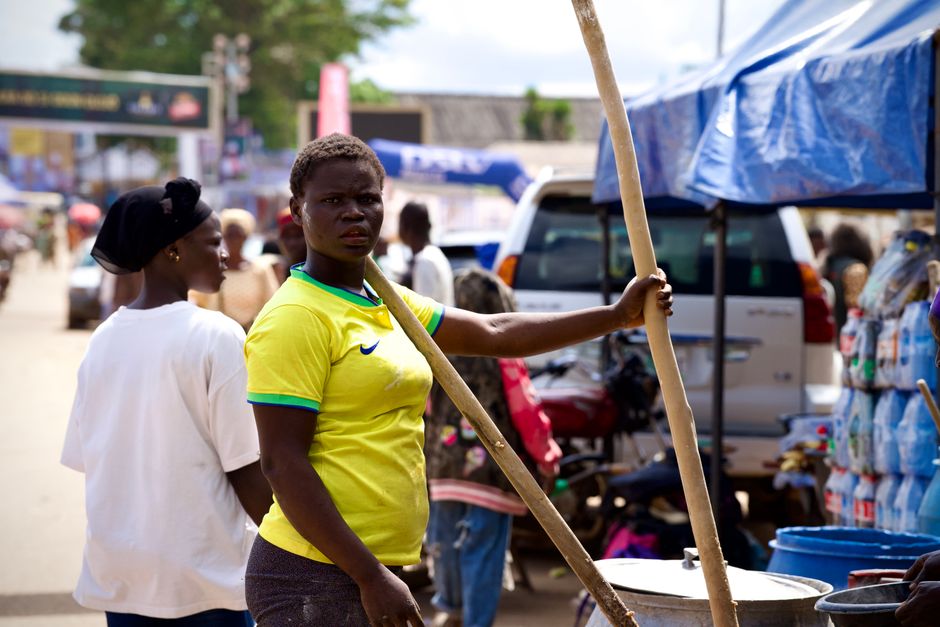
In this article, we’ll explore: BcozSheMatters: WHO Health Ministry roll out campaign on women and girls health and well-being and why it matters today.
Related:
👉 Beyond the Screen: Making sense of the widening gender mental health gap: what teenage girls told us
👉 Understanding Why PCOS Affects Pregnancy: The New Science of Endometrial Receptivity and Histone Lactylation
👉 Breaking the Taboo: How Sirona Foundation Promotes Menstrual Hygiene and Sustainable Period Care in India
Imagine a small village where a young mother named Priya lives. Every day, she wakes up before the sun, fetches water, prepares meals, and ensures her children are ready for school. She is the backbone of her family, the glue that holds everything together. Yet, when Priya feels a persistent ache or a wave of exhaustion that won’t go away, she stays silent. She puts her health last because, in her mind, everyone else’s needs come first. This isn’t just Priya’s story; it’s the story of millions of women across the globe.
Recognizing this silent crisis, a powerful new initiative has taken center stage. The BcozSheMatters: WHO Health Ministry roll out campaign on women and girls health and well-being is more than just a government program; it is a movement. It is a loud, clear declaration that the health of a nation is inextricably linked to the health of its women and girls. When she thrives, we all thrive.
In this post, we’re going to dive deep into what this campaign actually means, why it’s happening now, and how it’s set to change the landscape of healthcare for generations to come.
What is the “BcozSheMatters” Campaign All About?
At its core, the BcozSheMatters: WHO Health Ministry roll out campaign on women and girls health and well-being is a collaborative effort designed to bridge the massive gaps in healthcare access. For too long, “healthcare” has been a one-size-fits-all model that often overlooks the specific biological, social, and psychological needs of women.
The World Health Organization (WHO), in partnership with national Health Ministries, has realized that a “business as usual” approach isn’t working. This campaign focuses on a holistic view of health. It’s not just about treating an illness when it appears; it’s about prevention, education, and empowerment. It covers everything from reproductive health and nutrition to mental well-being and the right to live free from violence.
The campaign aims to dismantle the barriers—whether they are financial, cultural, or geographical—that prevent a girl from getting her vaccinations or a woman from accessing safe maternal care. It’s about saying that her health isn’t a luxury; it’s a fundamental human right.
Why Now? The Urgent Need for a Shift
You might wonder, why is there such a massive push for this right now? The truth is, the last few years have been incredibly tough on global health systems. The pandemic shifted focus away from routine screenings, maternal check-ups, and mental health support. Women, who often make up the majority of the frontline healthcare workforce and the primary caregivers at home, bore the brunt of this shift.
Statistics show that when women’s health is neglected, there is a ripple effect. Productivity drops, child mortality rates can rise, and the cycle of poverty becomes harder to break. The BcozSheMatters: WHO Health Ministry roll out campaign on women and girls health and well-being is a direct response to these challenges. It’s a “reset button” that prioritizes the most vulnerable and the most essential members of our society.
Addressing the “Invisible” Health Issues
One of the most refreshing aspects of this campaign is its focus on issues that are often swept under the rug. Let’s talk about a few of them:
- Menstrual Hygiene: In many parts of the world, girls still miss school because they don’t have access to sanitary products or private bathrooms. The campaign works to provide these essentials and end the stigma.
- Mental Health: Postpartum depression, anxiety, and the stress of balancing multiple roles are real. The campaign is integrating mental health services into primary care.
- Non-Communicable Diseases (NCDs): Heart disease and diabetes are often thought of as “men’s issues,” but they are leading causes of death for women. Early screening is a major pillar of this rollout.
The Three Pillars of the Campaign
To make a real impact, the BcozSheMatters: WHO Health Ministry roll out campaign on women and girls health and well-being is built on three sturdy pillars. Let’s break them down in simple terms.
1. Access and Affordability
It doesn’t matter how good a medicine is if a woman can’t afford it or can’t get to the clinic. The campaign is working to bring mobile health clinics to rural areas and ensure that essential services for women are covered under public health insurance. Think of it as “healthcare at your doorstep.”
2. Education and Awareness
Knowledge is power. Many women don’t seek help because they don’t know what “normal” feels like. Through community workshops, radio broadcasts, and digital storytelling, the campaign is teaching girls about their bodies and teaching families why investing in a daughter’s health is the best investment they can make.
3. Policy and Advocacy
This is where the “Health Ministry” part comes in. It’s about changing laws. This includes pushing for better maternity leave, stricter laws against gender-based violence, and ensuring that clinical trials include enough women so that medicines are actually tested for female biology.
Real-World Example: The Story of Sarah and the Community Health Worker
Let’s look at how this looks in the real world. In a bustling urban neighborhood, Sarah, a 19-year-old college student, was struggling with severe anemia. She felt dizzy and weak, making it hard to study. She thought it was just “part of being a woman.”
Under the BcozSheMatters initiative, a local community health worker visited Sarah’s neighborhood. Instead of a sterile hospital setting, they held an informal “chai and chat” session. Sarah learned that her fatigue wasn’t normal and was given iron supplements and nutritional advice. Today, Sarah is thriving in her studies. This is the “BcozSheMatters” effect—catching small problems before they become life-altering obstacles.
How Can We Support This Movement?
The BcozSheMatters: WHO Health Ministry roll out campaign on women and girls health and well-being isn’t just for doctors and politicians. It’s for all of us. Here is how you can be a part of it:
- Speak Up: If you see a woman in your life struggling, encourage her to seek professional help. Normalize the conversation around health.
- Support Local NGOs: Many grassroots organizations are the hands and feet of this WHO campaign. Your time or donations can go a long way.
- Educate the Next Generation: Talk to your sons and daughters about equality in health. Teach them that everyone’s well-being is equally important.
- Use Your Voice Online: Share information about the campaign. Use the hashtag #BcozSheMatters to keep the conversation going.
Key Takeaways
If you’re looking for the “too long; didn’t read” version, here are the most important points about the BcozSheMatters: WHO Health Ministry roll out campaign on women and girls health and well-being:
- Holistic Approach: It moves beyond reproductive health to include mental health, nutrition, and chronic diseases.
- Global Collaboration: It’s a joint effort between the WHO and national governments to ensure no girl is left behind.
- Breaking Stigma: A major goal is to talk openly about “taboo” topics like menstruation and mental health.
- Economic Impact: Healthy women lead to healthy families and stronger economies.
- Accessibility: The campaign focuses on bringing care to rural and underserved urban areas.
The Path Forward: A Healthier Future for All
The launch of the BcozSheMatters: WHO Health Ministry roll out campaign on women and girls health and well-being marks a turning point. We are finally moving away from seeing women’s health as a niche topic and recognizing it as the foundation of global stability.
When we invest in the health of a girl, we aren’t just helping one person. We are helping the future mother, the future scientist, the future leader, and the future caregiver. We are ensuring that the “Priyas” and “Sarahs” of the world don’t have to suffer in silence.
It’s time we acknowledge that her health matters—not just for her sake, but for everyone’s. Because, truly, she matters.
Frequently Asked Questions (FAQ)
1. Who is eligible for the services under the BcozSheMatters campaign?
The campaign is designed to be inclusive, focusing primarily on girls and women of all ages, especially those in underserved, rural, or low-income urban communities. Specific services may vary by country depending on the local Health Ministry’s implementation.
2. Does this campaign only focus on pregnancy and childbirth?
No! While maternal health is a vital part of the initiative, the BcozSheMatters: WHO Health Ministry roll out campaign on women and girls health and well-being also covers mental health, non-communicable diseases (like cancer and heart disease), nutrition, and adolescent health.
3. How can I find out if this campaign is active in my area?
The best way is to check the official website of your national Ministry of Health or the local WHO regional office. They often post updates about mobile clinics, vaccination drives, and awareness workshops.
4. Why is the campaign called “BcozSheMatters”?
The name was chosen to be catchy and relatable. It emphasizes the simple truth that women’s health has been undervalued for too long, and it’s time to prioritize it because her well-being is essential to society.
5. Can men participate in or support this campaign?
Absolutely. Men play a crucial role as allies. Whether it’s supporting a partner’s health decisions, ensuring daughters get equal medical attention, or advocating for better policies in the workplace, men are an integral part of the campaign’s success.
Written with love and assistance and refined for quality.
🔗 Related: Health Rounds: Glucosamine used for joint…
🔗 Related: Hormonal mechanisms of womens risk in…
🔗 Related: Hormonal mechanisms of womens risk in…