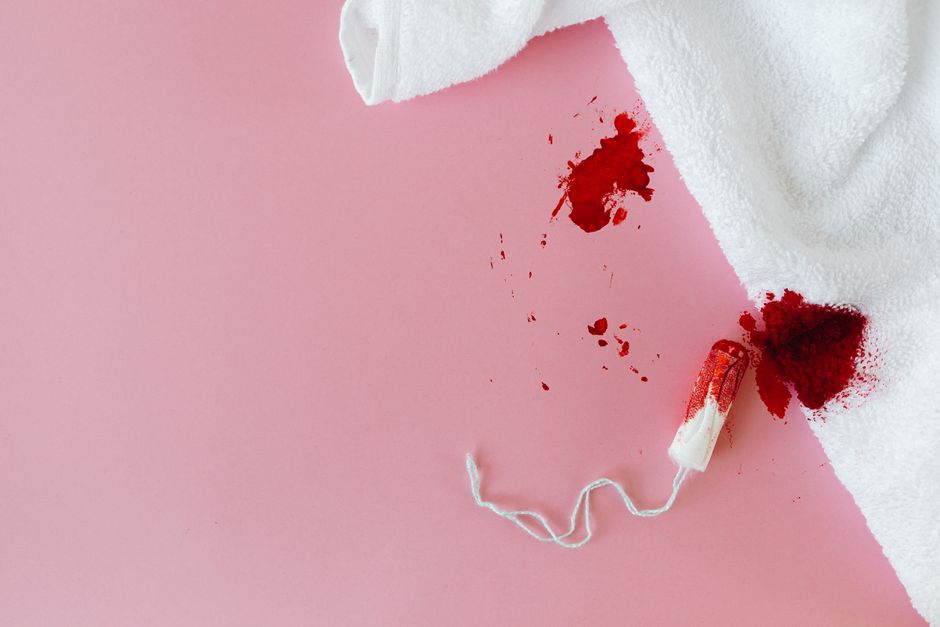
In this article, we’ll explore: Period poverty: A global menstrual health crisis and why it matters today.
Related:
👉 Why the World is Finally Putting Women First: A Deep Dive into the BcozSheMatters Campaign
👉 Putting Her First: Why the #BcozSheMatters Campaign is a Game-Changer for Women’s Health
👉 Why Women Process Trauma Differently: Understanding the Hormonal Mechanisms of Women’s Risk in the Face of Traumatic Stress
Learn more: Period poverty: A global menstrual health crisis on Investopedia
Imagine for a second that every single month, for five days, you had to choose between buying a loaf of bread for your family or buying a pack of pads. Imagine having to skip school or work because you’re using an old rag, a piece of newspaper, or even dried leaves to manage your menstrual cycle. For many of us, a trip to the pharmacy for tampons or pads is a minor inconvenience—a chore we do without a second thought. But for millions of women, girls, and people who menstruate around the world, this is a monthly reality of shame, fear, and physical discomfort.
This isn’t just a “women’s issue.” It is a fundamental human rights issue. Today, we are diving deep into the reality of period poverty: a global menstrual health crisis that affects health, education, and dignity across every continent.
What Exactly is Period Poverty?
At its simplest, period poverty is the lack of access to menstrual products, hygiene facilities, and the education needed to manage a period safely and with dignity. It’s a complex problem that stems from financial hardship, but it’s fueled by something much harder to fix: social stigma.
When we talk about period poverty, we aren’t just talking about the price of a box of tampons. We are talking about:
- Lack of products: Not being able to afford pads, tampons, or menstrual cups.
- Lack of infrastructure: Not having a private toilet with clean running water to wash or change.
- Lack of education: Not understanding how the body works, leading to fear and confusion when the first period arrives.
- Social exclusion: Being told you are “unclean” or “cursed” and being forced to stay away from communal spaces.
The Story of Maya: A Common Reality
To understand the weight of this crisis, let’s look at a story that plays out in thousands of villages and cities every day. Maya is a 14-year-old girl living in a rural area. She is bright, loves math, and wants to be a doctor. But Maya misses one week of school every single month.
Why? Because her family cannot afford pads. When her period starts, she uses old strips of cloth from worn-out clothes. These cloths don’t absorb well, they leak, and she has nowhere at school to wash them privately or dry them. The fear of a visible stain and the subsequent teasing from her classmates is too much to bear. By the time she reaches grade 10, Maya has fallen so far behind in her studies that she drops out entirely. Her dream of becoming a doctor vanishes, not because she lacked the talent, but because she lacked a basic healthcare product.
The Price Tag of a Natural Process
It is easy to assume that period poverty is something that only happens in developing nations. However, that is a dangerous misconception. This is a global issue that hides in plain sight, even in the wealthiest countries on Earth.
The “Pink Tax” and Economic Barriers
In many parts of the world, menstrual products are taxed as “luxury items” rather than essential healthcare necessities. This is often referred to as the “Tampon Tax.” While items like Viagra or certain snacks are sometimes exempt from sales tax, pads and tampons are not. For a family living on the poverty line in London, New York, or Sydney, the $10 to $15 spent on period products each month is money that could have gone toward electricity or groceries.
Period Poverty in the United States and the UK
Research has shown that nearly 1 in 4 students in the U.S. struggle to afford period products. Many teachers report having to buy pads out of their own pockets to keep their students in class. In the UK, a study by Plan International found that 10% of girls have been unable to afford sanitary wear. This isn’t just a “developing world” problem; it’s a “poverty” problem.
The Dangerous Health Risks
When people cannot afford safe products, they turn to alternatives that can be life-threatening. We’re talking about rags, husks, sand, or even ash. Using these materials can lead to severe reproductive and urinary tract infections (UTIs). In some extreme cases, it can lead to Toxic Shock Syndrome (TSS) or long-term infertility.
Beyond the physical risks, there is a massive mental health toll. The anxiety of “leaking” in public, the shame of using unsanitary materials, and the isolation of being told you are “impure” leads to a significant decrease in self-esteem and an increase in depression among young girls.
The Wall of Silence: Stigma and Taboos
Why has it taken so long for the world to address period poverty: a global menstrual health crisis? The answer is simple: we are conditioned not to talk about it. In many cultures, menstruation is treated as a secret, a “curse,” or something dirty.
- In some parts of Nepal, the practice of Chhaupadi (though now illegal) still sees women banished to “period huts” during their cycle, where they are exposed to extreme cold and animal attacks.
- In many households across the globe, girls are told not to enter the kitchen or touch certain foods while on their period because they might “spoil” the food.
- Even in modern offices, women often hide a tampon in their sleeve on the way to the bathroom to avoid the “embarrassment” of anyone knowing they are menstruating.
This silence is the greatest ally of period poverty. When we don’t talk about it, we don’t legislate for it. When we don’t legislate for it, the prices stay high and the infrastructure stays poor.
Breaking the Cycle: What’s Being Done?
The good news is that the tide is finally turning. Activists, NGOs, and even some governments are starting to realize that menstrual health is public health.
Leading the Way: Scotland
In 2020, Scotland made history by becoming the first country in the world to make period products free for everyone. They recognized that these items are just as essential as toilet paper in public restrooms. Since then, other countries like New Zealand and certain states in the U.S. have followed suit by mandating free products in schools.
Innovative Solutions
NGOs are also working on sustainable solutions. Instead of just donating disposable pads (which create a lot of waste), many organizations are teaching communities how to make high-quality, reusable cloth pads. Others are distributing menstrual cups, which can last for up to 10 years, providing a long-term solution to the financial burden of period poverty.
How You Can Help Make a Difference
You don’t have to be a politician to help end period poverty. Small actions can ripple out to create massive change.
- Donate to Period Banks: Just like food banks, many cities now have period banks that distribute products to those in need.
- Talk About It: Normalize the conversation. The more we talk about periods as a normal biological function, the less power the stigma has.
- Support Policy Change: Vote for and support leaders who advocate for removing the tampon tax and providing free products in schools and shelters.
- Choose Ethical Brands: Support companies that have a “buy one, give one” model, where every purchase you make sends a product to someone in need.
Key Takeaways
- Period poverty is a global crisis: It affects millions of people in both wealthy and developing nations.
- It’s more than just pads: It involves a lack of clean water, private spaces, and education.
- Education is at stake: Girls who cannot manage their periods often drop out of school, perpetuating the cycle of poverty.
- Stigma is the barrier: Breaking the silence is the first step toward systemic change.
- Progress is happening: Countries like Scotland are proving that free access to menstrual products is possible and effective.
Frequently Asked Questions
What is the main cause of period poverty?
The main cause is a combination of financial hardship (the high cost of products) and a lack of basic infrastructure (clean water and toilets). This is worsened by social taboos that prevent people from seeking help or discussing the issue openly.
Does period poverty only happen in poor countries?
No. Period poverty is a significant issue in developed countries like the U.S., Canada, and the UK, where low-income individuals often have to choose between food and menstrual products.
How does period poverty affect education?
When girls don’t have access to pads or safe toilets, they often stay home during their period to avoid embarrassment. Missing one week of school every month leads to falling behind and, eventually, a much higher dropout rate.
Are reusable products a solution?
Yes, reusable products like menstrual cups and washable pads are excellent long-term solutions. However, they require access to clean water for boiling and washing, which isn’t always available in every region.
What can I do if I see someone struggling with period poverty?
The best thing you can do is offer support without judgment. You can donate products to local shelters or schools, or support organizations that work directly on menstrual equity.
The Bottom Line
We cannot achieve gender equality as long as a natural biological process remains a barrier to education, health, and work. Period poverty: a global menstrual health crisis is a solvable problem. It requires money, yes, but more importantly, it requires a shift in how we view the human body. It’s time to stop the whispering and start the work. No one should be held back by their period.
Written with love and assistance and refined for quality.
🔗 Related: Period poverty: A global menstrual health…
🔗 Related: Health Rounds: Glucosamine used for joint…