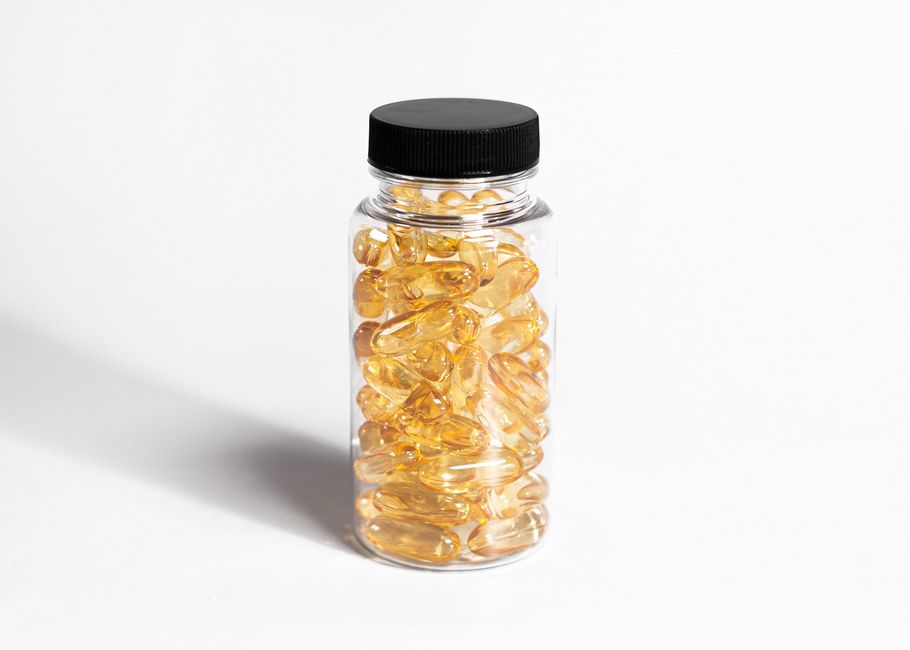
In this article, we’ll explore: Health Rounds: Glucosamine used for joint pain linked to dementia progression and why it matters today.
Related:
👉 Is Your Joint Supplement Affecting Your Memory? Understanding the Link Between Glucosamine and Dementia
👉 Genelia DSouza opens up about menopause shaming: Im much cooler at 40
👉 Why Trauma Hits Differently: Understanding the Hormonal Mechanisms of Women’s Risk
Learn more: Health Rounds: Glucosamine used for joint pain linked to dementia progression on Investopedia
If you’ve ever felt that tell-tale “crunch” in your knees when walking up the stairs, or if your fingers feel stiff when you wake up on a cold morning, you’ve probably reached for a bottle of glucosamine. For decades, it has been the go-to supplement for millions of people looking to keep their joints moving smoothly. It’s cheap, widely available, and generally considered “safe” because it’s a natural compound found in our cartilage.
However, a recent headline has sent a bit of a shockwave through the wellness community. In a recent segment of Health Rounds: Glucosamine used for joint pain linked to dementia progression has become a major talking point for researchers and patients alike. The idea that a supplement meant to help our bodies move better might actually be connected to how our brains age is, frankly, a little scary.
But before you throw your vitamin organizer in the trash, let’s take a deep breath. In this post, we’re going to break down exactly what the latest research says, why this link might exist, and what you should actually do if you’re currently taking glucosamine for your joints.
The Story of Glucosamine: Why We Love It
To understand the new concerns, we first have to understand why we started taking glucosamine in the first place. Imagine a woman named Martha. Martha is 68, an avid gardener, and a grandmother of three. About five years ago, her hips started aching. Her doctor mentioned osteoarthritis—the “wear and tear” kind of arthritis. Like many of us, Martha didn’t want to rely on heavy painkillers or steroids.
She turned to glucosamine. Glucosamine is a natural amino sugar that helps the body build and repair cartilage. The theory is simple: if your cartilage is wearing down, give your body more of the building blocks it needs to fix it. For Martha, and many others, it felt like a miracle. It didn’t cure the arthritis, but it made the daily chores a lot more manageable.
Because it’s sold over the counter and derived from things like shellfish shells, most people view it as “food-adjacent” rather than a “drug.” This perception of safety is why the recent news about cognitive health has been so jarring.
What the Research Says: The Link to Dementia
The recent findings highlighted in Health Rounds: Glucosamine used for joint pain linked to dementia progression aren’t necessarily saying that glucosamine *causes* dementia in healthy people. Instead, the focus is on how it might affect the *progression* of the disease in those who are already showing signs of cognitive decline or are at high risk.
Researchers have been looking at large sets of health data to see if there are patterns between long-term supplement use and brain health. What they found was a statistically significant association between the regular use of glucosamine and a faster decline in cognitive function in certain groups.
The “Why” Behind the Connection
Scientists are still scratching their heads over the exact mechanism, but there are a few leading theories:
- Blood Sugar Regulation: Glucosamine is a sugar (an amino sugar, specifically). Some studies suggest that high doses of glucosamine can interfere with how the body processes glucose and insulin. Since the brain is highly sensitive to insulin levels—often referred to as “Type 3 Diabetes” in the context of Alzheimer’s—this could be a potential pathway.
- Inflammation Pathways: While glucosamine is often used to *reduce* joint inflammation, the way it interacts with the central nervous system might be different. It’s possible that it inadvertently triggers certain inflammatory markers in the brain that accelerate the breakdown of neurons.
- The “Healthy User” Bias: Sometimes, people who take supplements are already dealing with chronic pain. Chronic pain itself is linked to higher stress levels and poorer sleep, both of which are major risk factors for dementia. However, even when adjusting for these factors, the glucosamine link remained visible in the data.
The Nuance: Correlation vs. Causation
It is incredibly important to remember the golden rule of science: correlation does not equal causation. Just because two things happen at the same time doesn’t mean one caused the other.
For example, if you see more people carrying umbrellas when it’s cloudy, the umbrellas didn’t cause the clouds. In the case of “Health Rounds: Glucosamine used for joint pain linked to dementia progression,” we are seeing a link. We are seeing a pattern. We are not yet seeing a “smoking gun” that proves glucosamine is a direct poison to the brain.
For many, the benefits of being able to walk, exercise, and stay active (which are all great for brain health!) might outweigh the potential risks identified in these preliminary studies. If glucosamine allows a person to walk two miles a day instead of sitting on the couch, that physical activity is a massive shield against dementia.
Real-World Examples: Should You Stop Taking It?
Let’s look at two different scenarios to see how this news might be applied in real life.
Scenario A: The Healthy Senior
Meet Dave. Dave is 70, runs 5Ks, and takes glucosamine to keep his knees from clicking. He has no family history of dementia and performs well on cognitive tests. For Dave, the risk-to-benefit ratio might still favor the supplement. Staying active is one of the best ways to prevent dementia, and if glucosamine keeps him running, his doctor might suggest he stay the course but keep an eye on his blood sugar.
Scenario B: The High-Risk Patient
Now meet Linda. Linda is 72 and has been experiencing mild cognitive impairment (MCI). Her mother had Alzheimer’s. Linda also takes glucosamine for her back pain. In Linda’s case, the news from the “Health Rounds” report is much more relevant. Because she is already on a path where dementia progression is a concern, her healthcare provider might suggest switching from glucosamine to other forms of joint support, like physical therapy, aquatic exercise, or omega-3 fatty acids.
Alternatives to Glucosamine for Joint Health
If the news about dementia progression has you worried, you aren’t stuck with just “dealing with the pain.” There are several other ways to support your joints that don’t involve glucosamine:
- Omega-3 Fatty Acids: Found in fish oil, these are incredible for reducing systemic inflammation and have the added benefit of being *good* for your brain.
- Turmeric and Curcumin: This golden spice is a potent anti-inflammatory. When taken with black pepper for absorption, it can significantly reduce joint stiffness.
- Collagen Peptides: Since cartilage is made of collagen, taking a high-quality collagen supplement can provide the amino acids necessary for joint repair without the specific “sugar” concerns of glucosamine.
- Low-Impact Exercise: Swimming, cycling, and yoga help keep the joints lubricated by moving synovial fluid around, which is often more effective than any pill.
- Weight Management: Every pound of weight lost takes four pounds of pressure off the knees. Sometimes the best “supplement” is simply lightening the load on the joints.
Key Takeaways
- The Core Finding: Recent reports in Health Rounds: Glucosamine used for joint pain linked to dementia progression suggest that long-term use may be associated with faster cognitive decline in some individuals.
- Not a Death Sentence: This is a link, not a proven cause. More research is needed to understand the “why.”
- Blood Sugar Matters: The way glucosamine affects insulin may be the bridge between the supplement and brain health.
- Personalized Choice: Whether or not to continue the supplement depends on your individual risk factors for dementia versus your need for pain management.
- Consult a Pro: Always talk to your doctor before changing your supplement routine, especially if you have concerns about memory or cognition.
The Future of Joint and Brain Health
As we live longer, we are entering a “frontier” of medicine. We are trying to keep our bodies moving for 90 or 100 years, but we also need our brains to stay sharp for that same duration. Sometimes, the treatments we use for one part of the body can have unintended consequences for another.
The “Health Rounds” report is a reminder that “natural” doesn’t always mean “without consequence.” It encourages us to be more mindful of what we put in our bodies and to view our health holistically. Your knees and your brain are part of the same ecosystem.
For now, the best approach is balance. If you’re worried, try an alternative for a few months and see how your joints feel. If your memory is your top priority, focus on the lifestyle factors—sleep, diet, and social connection—that we know for a fact protect the brain.
FAQ: Frequently Asked Questions
Is glucosamine officially banned or labeled as dangerous?
No. Glucosamine is still widely available and is not considered a dangerous substance by the FDA or other major health organizations. The recent findings are part of ongoing observational research meant to help doctors give better advice to high-risk patients.
Does this apply to Chondroitin as well?
Chondroitin is often packaged with glucosamine. While some studies look at them together, the specific concerns regarding glucose metabolism and dementia progression have been more closely linked to the glucosamine component. However, more research is needed on chondroitin individually.
I’ve been taking glucosamine for 10 years. Should I be scared?
There is no need to panic. The study looks at “progression,” meaning it affects how quickly dementia worsens once it has started. If you are cognitively healthy, the risk is likely very low. However, it’s a great time to have a conversation with your doctor about your long-term supplement plan.
What is the best alternative for someone with a family history of Alzheimer’s?
Most experts recommend focusing on an anti-inflammatory diet (like the Mediterranean or MIND diet) and using supplements with proven brain benefits, such as high-quality fish oil (DHA/EPA), rather than glucosamine.
Can I reverse any potential damage if I stop taking it now?
The brain is remarkably resilient. By focusing on “brain-healthy” habits like getting enough sleep, managing blood sugar, and staying socially active, you can support your cognitive health regardless of your past supplement use.
At the end of the day, your health is a journey of constant learning. As new information like the “Health Rounds: Glucosamine used for joint pain linked to dementia progression” report comes out, we simply adjust our sails and keep moving forward. Stay informed, stay active, and listen to your body.
Written with love and assistance and refined for quality.
🔗 Related: Women with polycystic ovary syndrome exhibit…
🔗 Related: Hormonal mechanisms of womens risk in…
🔗 Related: Research Shows This Supplement Can Help…