In this article, we’ll explore: Period poverty: A global menstrual health crisis and why it matters today.
Related:
👉 Why We Need to Talk About Period Poverty: A Global Menstrual Health Crisis
👉 The Scale Is Lying to You: Why You’re Shrinking Even if the Weight Won’t Budge
👉 Why the World is Finally Putting Women First: A Deep Dive into the BcozSheMatters Campaign
Learn more: Period poverty: A global menstrual health crisis on Wikipedia
Imagine for a second that you are a teenage girl sitting in a classroom. You feel that familiar, dull ache in your lower back. You know your period has started. But instead of reaching into your bag for a pad or a tampon, you realize you have nothing. Your family can’t afford them this month because the money had to go toward flour and cooking oil. You look at your teacher, then at your chair, terrified that you’ll leave a stain. Eventually, you stand up, tie a sweater around your waist, and walk home. You won’t come back to school for the next five days.
This isn’t a scene from a movie or a story from a hundred years ago. This is the daily reality for millions of people. When we talk about period poverty: a global menstrual health crisis, we aren’t just talking about a lack of products. We are talking about a systemic failure that strips people of their dignity, their education, and their health.
In this post, we’re going to dive deep into what period poverty actually looks like, why it’s happening in both wealthy and developing nations, and what we can do to fix it.
What Exactly is Period Poverty?
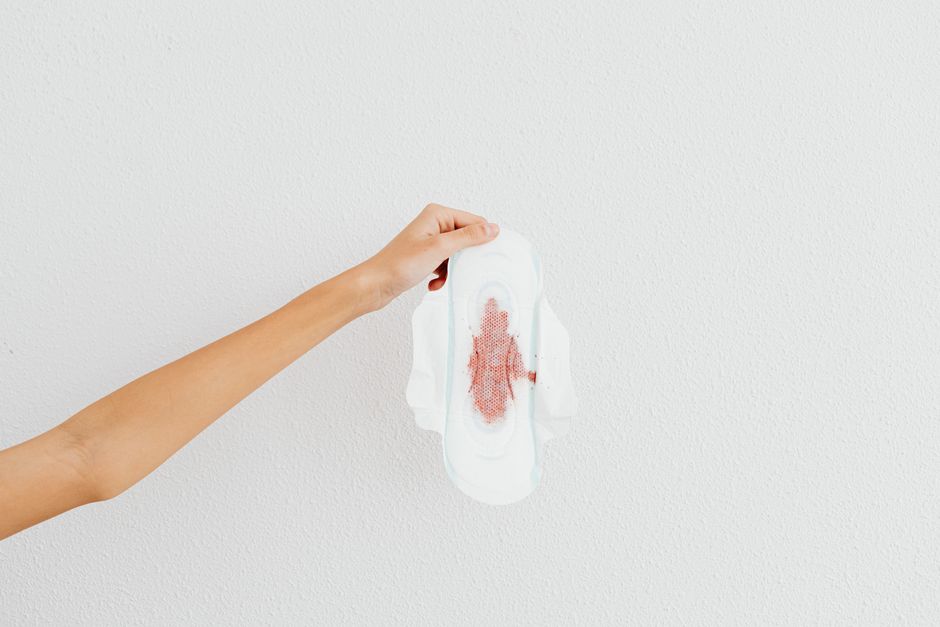
At its simplest, period poverty is the struggle to afford or access menstrual products. But if we dig a little deeper, it’s much more than that. It is a complex issue that involves three main pillars:
- Lack of Products: Not being able to buy pads, tampons, menstrual cups, or reusable liners.
- Lack of Education: Not understanding how menstruation works or how to manage it safely due to cultural taboos or a lack of school resources.
- Lack of Infrastructure: Not having access to clean water, private toilets, or safe ways to dispose of used products.
When these three things collide, it creates a “menstrual health crisis” that affects physical health and mental well-being. It’s hard to feel confident or focused when you’re using old rags, newspapers, or even dried leaves because you have no other choice.
The Global Scale: It’s Not Just “Somewhere Else”
One of the biggest myths about period poverty is that it only happens in developing countries. While the challenges in Sub-Saharan Africa or South Asia are immense, this is a truly global issue. Let’s look at some examples to put things into perspective.
The Reality in Developing Nations
In many parts of the world, the barriers are often physical and economic. In Kenya, for instance, research has shown that some girls have been forced to engage in transactional sex just to afford a packet of sanitary pads. In India, a significant percentage of girls drop out of school entirely once they hit puberty because the schools lack private toilets or water. When a natural process like a period becomes a reason to stop an education, the cycle of poverty only gets stronger.
The Struggle in Wealthy Nations
You might be surprised to learn that in the United States, the United Kingdom, and Australia, period poverty is a massive hurdle. In the U.S., one in four teens has struggled to afford period products. Many low-income families have to choose between buying a box of tampons or buying a gallon of milk. Because menstrual products are often taxed as “luxury items” (the infamous Pink Tax) and aren’t covered by food stamps or WIC programs, they remain out of reach for those who need them most.
The Hidden Costs of Period Poverty
The impact of this crisis ripples out into every part of a person’s life. It’s not just a “woman’s issue”; it’s a human rights issue and an economic one.
1. The Education Gap
When students miss school every month because of their periods, they fall behind. Over time, this leads to higher dropout rates. When girls stay in school, they are more likely to earn higher wages later in life, marry later, and have healthier families. Period poverty is a direct roadblock to gender equality in education.
2. Health Risks
When you can’t afford proper products, you improvise. Using dirty rags, sponges, or keeping a single tampon in for too long can lead to severe issues. We’re talking about urinary tract infections (UTIs), bacterial vaginosis, and in extreme cases, Toxic Shock Syndrome (TSS). Without clean water to wash, these risks skyrocket.
3. Mental Health and Shame
There is a heavy psychological toll that comes with period poverty. The constant fear of “leaking” or being “found out” creates intense anxiety. In many cultures, menstruation is still seen as “dirty” or “impure.” This stigma forces people into silence, making it even harder for them to ask for help.
Real-World Examples of Change
While the situation is dire, there is hope. Around the world, people are waking up to the fact that period poverty: a global menstrual health crisis requires urgent action. Here are a few stories of progress:
- Scotland Leading the Way: In 2020, Scotland became the first country in the world to make period products free for everyone. They recognized that pads and tampons are as essential as toilet paper in public restrooms.
- The “Pad Man” of India: Arunachalam Muruganantham revolutionized menstrual hygiene in rural India by inventing a low-cost machine to manufacture sanitary pads. His story (which inspired a major film) showed that local, grassroots innovation can break centuries-old taboos.
- Free Products in U.S. Schools: Several states, including California and New York, have passed laws requiring public schools to provide free menstrual products in bathrooms. This ensures that a student’s period never gets in the way of their learning.
Breaking the Stigma: Why Conversation Matters
Why has it taken so long for the world to address this? The answer is simple: Stigma. For generations, we’ve been taught to whisper about periods. We hide tampons in our sleeves on the way to the bathroom. We use code words like “Aunt Flo” or “that time of the month.”
This silence is dangerous. When we don’t talk about periods, we don’t talk about the cost of products. We don’t talk about the lack of toilets. We don’t talk about the pain. To solve the menstrual health crisis, we have to start by saying the word “period” out loud without blushing. Menstrual health is health. Period.
How Can You Help?
You don’t have to be a politician to make a difference. Here are a few simple ways to contribute to the cause:
- Donate to Period Banks: Just like food banks, many organizations collect pads and tampons for local shelters and schools.
- Support Policy Change: Advocate for the removal of the “tampon tax” in your state or country.
- Educate Yourself and Others: Share information about menstrual health to help normalize the conversation.
- Choose Ethical Brands: Support companies that have a “buy one, give one” model or those that focus on sustainable, affordable menstrual care.
Key Takeaways
- Period poverty is universal: It affects people in both low-income and high-income countries.
- It’s more than just pads: It includes access to clean water, private toilets, and accurate health education.
- The consequences are severe: It leads to school dropouts, serious health infections, and long-term mental health struggles.
- Stigma is the biggest barrier: Breaking the silence is the first step toward policy change and social support.
- Progress is happening: From Scotland’s national policy to local school initiatives, the world is starting to prioritize menstrual equity.
Frequently Asked Questions
What is the “Pink Tax”?
The Pink Tax refers to the extra amount of money women are charged for certain products or services. In the context of period poverty, it often refers to the fact that menstrual products are taxed as non-essential or luxury items, making them more expensive for the consumer.
How does period poverty affect the environment?
Many people in period poverty rely on low-quality, disposable products or improvised materials that aren’t biodegradable. However, the crisis also highlights the need for affordable, reusable options like menstrual cups or period underwear, which can be more cost-effective and eco-friendly in the long run if the user has access to clean water to wash them.
Can men help end period poverty?
Absolutely. Men play a crucial role as allies, policymakers, and educators. When men understand that menstrual health is a fundamental human right, they can help advocate for better facilities in workplaces and schools and help dismantle the stigma within their families and communities.
Is period poverty only about women?
No. While it primarily affects women and girls, it also affects transgender men and non-binary individuals who menstruate. Inclusivity is a key part of addressing the global menstrual health crisis effectively.
Conclusion
Addressing period poverty: a global menstrual health crisis is not just a matter of charity; it’s a matter of justice. When we ensure that everyone has the tools they need to manage their period with dignity, we unlock potential. We keep girls in school, we keep workers on the job, and we protect the health of half the world’s population.
It’s time to stop treating menstruation as a secret and start treating it as a standard part of human health. Whether it’s through donating a box of pads to a local shelter or voting for leaders who prioritize menstrual equity, we all have a part to play in ending period poverty for good.
Written with love and assistance and refined for quality.
🔗 Related: Health Rounds: Glucosamine used for joint…
🔗 Related: Women with polycystic ovary syndrome exhibit…
🔗 Related: Hormonal mechanisms of womens risk in…