In this article, we’ll explore: BcozSheMatters: WHO Health Ministry roll out campaign on women and girls health and well-being and why it matters today.
Related:
👉 Why Women Experience Trauma Differently: A Deep Dive into Hormones and Stress
👉 Beyond the Ultrasound: Why for Millions of Women PCOS Was Never Just About the Ovaries
👉 Stuck on the Scale? Why You’re Not Losing Weight on Wegovy (And How to Fix It)
Think about the women in your life for a moment. Your mother, your sister, your best friend, or perhaps the woman you see in the mirror every morning. For too long, women’s health has been treated as a “niche” topic, often sidelined or reduced to just one or two specific issues. But the reality is that the health of a nation is directly tied to the health of its women. When a woman is healthy, her family thrives, her community grows stronger, and the economy gains momentum.
In a landmark move, the World Health Organization (WHO) and the Health Ministry have joined forces to launch a transformative initiative. The BcozSheMatters: WHO Health Ministry roll out campaign on women and girls health and well-being is more than just a series of posters or social media posts. It is a comprehensive movement designed to bridge the gap in healthcare equity and ensure that every girl and woman, regardless of her location or background, has access to the care she deserves.
In this post, we’ll dive deep into what this campaign means, why it’s happening now, and how it aims to change the lives of millions.
What is the #BcozSheMatters Campaign All About?
The #BcozSheMatters campaign is a holistic approach to health. Historically, many health initiatives for women focused almost exclusively on maternal health—pregnancy and childbirth. While these are incredibly important, they represent only a fraction of a woman’s life. This new campaign seeks to broaden that lens.
The WHO and the Health Ministry realized that to truly improve well-being, we need to address the “whole person.” This means looking at nutrition, mental health, non-communicable diseases (like diabetes and heart disease), and even the social factors that prevent women from seeking help. The campaign is built on the belief that health is a fundamental right, not a luxury.
From the bustling streets of urban centers to the remote corners of rural villages, the campaign aims to provide education, resources, and clinical support. It’s about empowering women to say, “My health matters, and I am going to take care of it.”
Why This Campaign is a Game-Changer
Let’s look at the “why.” Why are the WHO and the Health Ministry putting so much weight behind this now? The answer lies in the data and the lived experiences of women globally. For years, women have faced unique barriers to healthcare, including financial constraints, lack of transportation, and social stigmas.
Consider the story of Meera, a 34-year-old mother of three living in a small town. Meera often experiences fatigue and joint pain, but she rarely visits the doctor. Why? Because she puts the needs of her children and husband first. She thinks her exhaustion is just “part of being a mom.” This is a common narrative. The BcozSheMatters: WHO Health Ministry roll out campaign on women and girls health and well-being aims to rewrite this story by teaching women like Meera that their symptoms are valid and that preventative care can save their lives.
Breaking the Silence on Reproductive Health
Reproductive health is about much more than just having babies. It includes access to safe contraception, menstrual hygiene management, and screenings for cancers like cervical and breast cancer. In many cultures, these topics are still considered “taboo.”
The campaign is deploying community health workers to lead “circle talks.” These are safe spaces where girls can learn about their bodies without shame. By normalizing these conversations, the campaign is reducing the stigma that often prevents young girls from seeking help for issues like PCOS or severe menstrual pain.
Mental Well-being: More Than Just “Stress”
We often hear women described as “resilient” or “strong,” but that strength can sometimes be a burden. Women are statistically more likely to experience anxiety and depression, yet they are less likely to seek professional mental health support. Whether it’s the pressure of the “double burden” (working a job and managing a household) or dealing with postpartum issues, mental health is a priority for #BcozSheMatters.
The Health Ministry is integrating mental health screenings into routine check-ups. This means when a woman goes in for a physical exam, she’s also asked about her emotional well-being. It’s a simple change that makes a massive difference.
Nutrition: Fueling the Future
Anemia and malnutrition remain significant hurdles for women and girls. A girl who is malnourished is less likely to perform well in school and more likely to face complications later in life. The campaign focuses on “Life-Cycle Nutrition,” ensuring that from infancy to old age, women have access to the vitamins and minerals they need. This includes distributing iron and folic acid supplements and educating families on the importance of a balanced diet.
Real-World Impact: How the Campaign Works on the Ground
It’s easy to talk about “campaigns” in a boardroom, but how does it look in the real world? Here are a few ways #BcozSheMatters is making an impact:
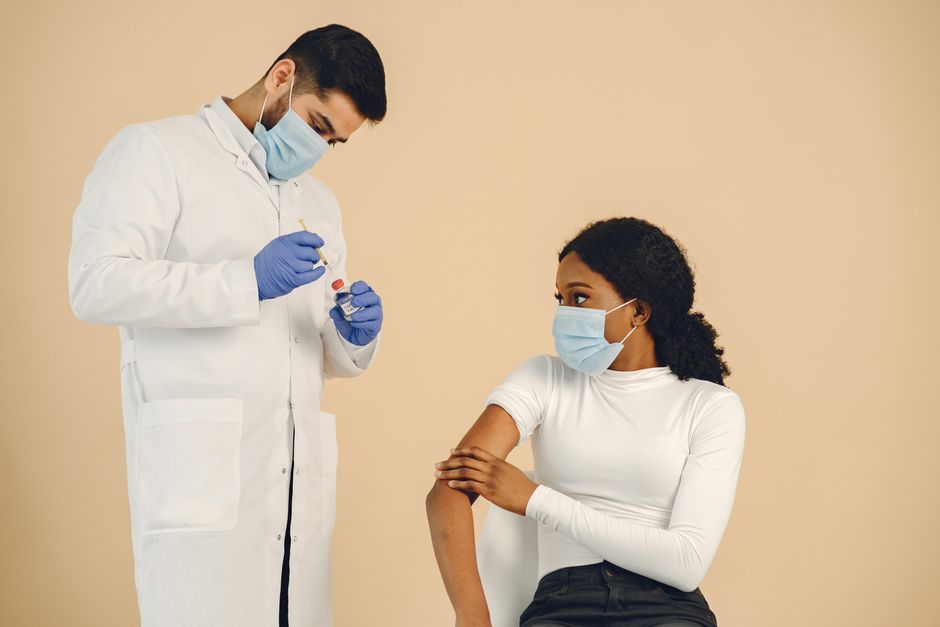
- Mobile Health Clinics: In areas where the nearest hospital is miles away, the Health Ministry is sending out fully equipped mobile vans. These vans offer screenings, vaccinations, and basic consultations directly to women’s doorsteps.
- Digital Health Portals: Recognizing that many young girls are tech-savvy, the WHO has launched an easy-to-use app. It provides verified health information, tracks cycles, and offers a “chat with an expert” feature for those who are too shy to visit a clinic in person.
- School Programs: The campaign is partnering with schools to ensure that health education starts early. By teaching young girls about nutrition and hygiene, we are setting them up for a lifetime of healthy habits.
Take the example of a rural school in a developing region. Before the campaign, many girls would miss a week of school every month because they didn’t have access to sanitary products or private facilities. Through #BcozSheMatters, the school received a grant to build better bathrooms and provide hygiene kits. Attendance has soared, and the girls feel more confident and supported.
The Role of Community and Family
One of the most beautiful aspects of the BcozSheMatters: WHO Health Ministry roll out campaign on women and girls health and well-being is its focus on men and boys as allies. We cannot change the landscape of women’s health without involving the whole community.
The campaign encourages husbands, fathers, and brothers to support the women in their lives. Whether it’s sharing household chores so a mother can rest or encouraging a sister to finish her education, these “small” actions create a ripple effect. When the men in a community value women’s health, the barriers to care begin to crumble.
Key Takeaways from the #BcozSheMatters Initiative
- Holistic Approach: The campaign covers physical, mental, and social well-being across all ages.
- Equity in Access: Focuses on reaching underserved and rural populations through mobile clinics and digital tools.
- Education is Key: Aims to break taboos around menstruation and reproductive health through community dialogue.
- Prevention Over Cure: Emphasizes the importance of regular screenings for cancer and chronic diseases.
- Collaborative Effort: A powerful partnership between the WHO, national Health Ministries, and local community leaders.
A Call to Action for Everyone
You might be wondering, “How can I help?” You don’t need to be a doctor or a policymaker to make a difference. Here is how you can support the movement:
First, start the conversation. Talk to your family about the importance of regular check-ups. Second, use your voice on social media. Share the hashtag #BcozSheMatters to help spread awareness. Finally, if you are a woman, prioritize your own health. Schedule that appointment you’ve been putting off. Listen to your body. Remember, you cannot pour from an empty cup.
The BcozSheMatters: WHO Health Ministry roll out campaign on women and girls health and well-being is a beacon of hope. It’s a reminder that every girl deserves a healthy start and every woman deserves a life of dignity and wellness. Let’s make sure this message reaches every corner of the world.
Frequently Asked Questions (FAQ)
1. What is the main goal of the #BcozSheMatters campaign?
The primary goal is to improve the overall health and well-being of women and girls by providing better access to healthcare, education, and resources. It aims to address not just maternal health, but also mental health, nutrition, and non-communicable diseases.
2. Who is organizing this initiative?
The campaign is a collaborative effort between the World Health Organization (WHO) and the Ministry of Health. It also involves local NGOs and community leaders to ensure the message reaches the grassroots level.
3. Is this campaign only for women in developing countries?
While there is a strong focus on underserved regions where healthcare gaps are largest, the principles of the #BcozSheMatters campaign are global. Women’s health issues, such as mental health stigma and lack of preventative screening, are universal challenges that the campaign seeks to address everywhere.
4. How can I access the resources provided by the campaign?
You can visit the official website of your local Health Ministry or the WHO’s dedicated campaign page. Many regions also have mobile apps and community health centers that are part of the #BcozSheMatters network.
5. Why is there a focus on “girls” specifically in this campaign?
Health habits and outcomes are often determined early in life. By focusing on adolescent girls, the campaign helps address issues like anemia, menstrual hygiene, and education, which are critical for their long-term health and economic independence.
6. How does the campaign address mental health?
The campaign works to integrate mental health screenings into primary healthcare. It also runs awareness programs to reduce the social stigma associated with seeking help for anxiety, depression, and other mental health conditions.
Written with love and assistance and refined for quality.
🔗 Related: Why Am I Not Losing Weight…
🔗 Related: Making sense of the widening gender…
🔗 Related: Why Am I Not Losing Weight…