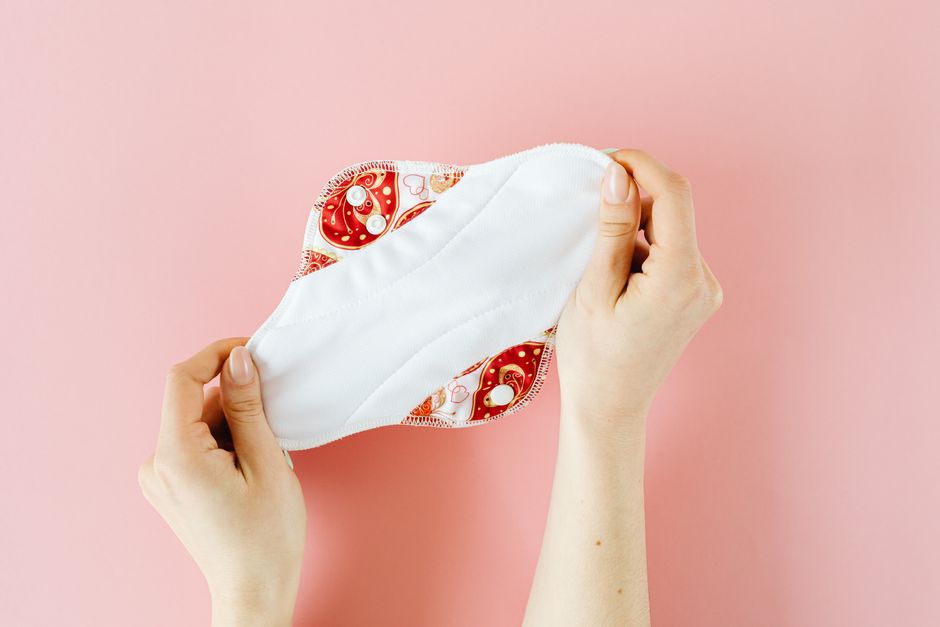
In this article, we’ll explore: Period poverty: A global menstrual health crisis and why it matters today.
Related:
👉 Why Are Our Girls Struggling? Making sense of the widening gender mental health gap: what teenage girls told us
👉 Period Poverty: A Global Menstrual Health Crisis We Can No Longer Ignore
👉 Why BcozSheMatters is the Health Revolution Women Have Been Waiting For
Learn more: Period poverty: A global menstrual health crisis on Investopedia
Imagine for a second that you are a fifteen-year-old girl sitting in a classroom. You feel that familiar, dull ache in your lower back. You realize your period has started. But instead of reaching into your bag for a pad or asking a friend for a tampon, you realize you have nothing. Your family couldn’t afford to buy supplies this month because the money had to go toward groceries. You look at the clock, realize there are six hours of school left, and the panic sets in. Do you use a piece of old newspaper? A rag? Or do you just pack up your bags, go home, and miss a week of school?
This isn’t a hypothetical scene from a movie. This is the daily reality for millions of people across the globe. We call it “period poverty,” but it is much more than just a lack of money. Period poverty: a global menstrual health crisis that sits at the intersection of healthcare, education, and basic human rights.
In this post, we’re going to dive deep into what period poverty actually looks like, why it’s happening in both wealthy and developing nations, and what we can do to stop the cycle of shame and silence.
What Exactly Is Period Poverty?
When people hear the term “period poverty,” they often think it just means someone can’t afford a box of tampons. While that’s a huge part of it, the crisis is actually a “triple threat” of challenges:
- Lack of Supplies: The inability to afford pads, tampons, menstrual cups, or liners.
- Lack of Infrastructure: No access to clean water, private toilets, or soap to manage menstruation safely and with dignity.
- Lack of Education: A deficit of accurate information about how the body works, leading to fear, shame, and dangerous myths.
When these three things collide, it creates a barrier that prevents people from participating fully in society. It’s not just a “women’s issue”—it’s a societal issue that holds back economies and keeps communities in a cycle of poverty.
The Hidden Cost: How Period Poverty Affects Lives
The impact of period poverty ripples out far beyond the bathroom. It affects every facet of a person’s life, from their physical health to their mental well-being and their future career prospects.
1. The Education Gap
In many parts of the world, a period is a direct ticket out of the classroom. UNESCO estimates that 1 in 10 girls in Sub-Saharan Africa misses school during their menstrual cycle. Over time, these absences add up. If you miss a week of school every month, you’re missing 25% of your education. This leads to higher dropout rates, early marriages, and limited job opportunities later in life.
2. Serious Health Risks
When you don’t have access to clean products, you use what you can find. This includes rags, leaves, husks, sand, or even ash. These methods are not just uncomfortable; they are dangerous. Using unhygienic materials can lead to severe reproductive and urinary tract infections (UTIs). Furthermore, without clean water to wash, the risk of infection skyrockets, sometimes leading to long-term fertility issues.
3. The Psychological Burden
There is a heavy emotional weight to period poverty. The constant fear of “leaking” or smelling in public leads to intense anxiety and social isolation. When society treats a natural bodily process as “dirty” or “shameful,” it erodes self-esteem. Many people suffering from period poverty report feeling “less than” or “undignified” simply because they cannot manage a basic biological function.
Real-World Examples: A Crisis Without Borders
It is a common misconception that period poverty only happens in developing nations. While the challenges differ, the crisis is truly global.
The United Kingdom: A Surprising Struggle
In one of the world’s wealthiest nations, period poverty is a quiet epidemic. Surveys have shown that roughly 1 in 10 girls in the UK has been unable to afford period products. Teachers have reported seeing students use socks or taped-up toilet paper because they were too embarrassed to ask for help. This led to a massive movement that eventually pressured the government to provide free period products in all schools and colleges.
India: Fighting Ancient Taboos
In India, the challenge is often as much about culture as it is about cost. For generations, menstruating people were barred from kitchens and temples, viewed as “impure.” However, the tide is turning. Activists like Arunachalam Muruganantham (the real-life “Padman”) revolutionized the industry by creating a machine that produces low-cost sanitary pads. His work didn’t just provide products; it started a national conversation that is slowly stripping away the stigma.
The United States: The “Pink Tax” and Prisons
In the U.S., many states still categorize period products as “luxury items,” meaning they are taxed, while items like Viagra or Rogaine are often exempt. For low-income families, this tax is a significant burden. Furthermore, the crisis is particularly acute in the prison system and homeless shelters, where access to pads is often used as a tool of control or is simply unavailable due to budget cuts.
The Stigma: Why Are We Still Whispering?
Why has it taken so long for the world to recognize period poverty: a global menstrual health crisis? The answer is simple: stigma. For centuries, menstruation has been shrouded in “shame.” We use code words like “Aunt Flo” or “that time of the month.” We hide tampons up our sleeves like they’re contraband.
This silence is the greatest ally of period poverty. When we don’t talk about periods, we don’t talk about the lack of pads. When we don’t talk about the lack of pads, policy-makers don’t allocate budgets for them. Breaking the silence is the first step toward breaking the cycle of poverty.
Signs of Progress: The World is Waking Up
Despite the grim statistics, there is a reason for hope. The global conversation is shifting, and real policy changes are happening.
- Scotland Leading the Way: In 2020, Scotland became the first country in the world to make period products free for everyone. They recognized that these are essentials, not luxuries.
- New Zealand: The government has rolled out a program to provide free period products in all schools to combat “period poverty” and improve school attendance.
- Grassroots Movements: From “Period” (the NGO) to local community “period banks,” everyday people are taking matters into their own hands, donating supplies to food banks and shelters.
How You Can Help End Period Poverty
You don’t have to be a politician to make a difference. Small actions can lead to massive shifts in how our society handles menstrual health.
1. Donate Products: Next time you’re at the store, buy an extra box of pads or tampons and drop them off at a local food bank or homeless shelter. These are often the most requested but least donated items.
2. Talk About It: Normalize the conversation. The more we talk about menstrual health as a standard part of human biology, the less power the stigma has.
3. Support Policy Change: Advocate for the removal of the “Pink Tax” in your region and support legislation that provides free products in schools and public buildings.
Key Takeaways
- Period poverty is the lack of access to menstrual products, education, and sanitation facilities.
- It is a global crisis affecting people in both wealthy and developing countries.
- The lack of products leads to school dropouts, health infections, and severe mental health struggles.
- Stigma and silence are the biggest barriers to solving the problem.
- Progress is being made through legislation (like in Scotland) and grassroots activism.
Frequently Asked Questions
What is the main cause of period poverty?
The main cause is a combination of financial hardship (the high cost of products) and systemic neglect (lack of clean water and private bathrooms). Cultural taboos that prevent education on the topic also play a major role.
Does period poverty only affect women?
No. While it primarily affects women and girls, it also affects transgender men and non-binary individuals who menstruate. It is a human rights issue that affects anyone who has a period.
How does period poverty affect the economy?
When people miss school or work because they cannot manage their periods, productivity drops. By excluding a significant portion of the population from the workforce or education for one week every month, the global economy loses billions in potential growth.
Can menstrual cups help solve period poverty?
Menstrual cups are a great long-term, sustainable solution because they last for years. However, they require access to clean water and a private space to boil and sanitize them, which isn’t always available to those living in extreme poverty.
Final Thoughts
Period poverty: a global menstrual health crisis is not an unsolvable mystery. We have the products, we have the resources, and we have the knowledge. What we’ve lacked is the political will and the courage to talk about it openly. By treating menstrual products as the basic necessities they are—no different than toilet paper or soap—we can ensure that no one is ever forced to choose between their dignity and their education.
It’s time to end the silence. It’s time to end the shame. It’s time to end period poverty for good.
Written with love and assistance and refined for quality.
🔗 Related: Why Am I Not Losing Weight…
🔗 Related: Hormonal mechanisms of womens risk in…
🔗 Related: Research Shows This Supplement Can Help…