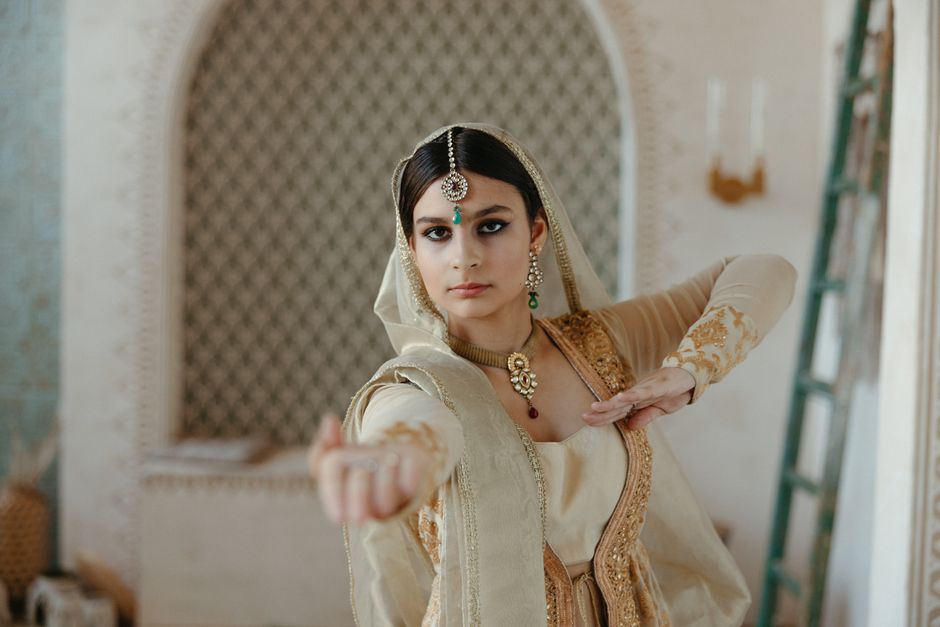
In this article, we’ll explore: Genelia DSouza opens up about menopause shaming: Im much cooler at 40 and why it matters today.
Related:
👉 Why Do Women Process Trauma Differently? Understanding the Hormonal Science of Stress
👉 Why Are Our Girls Struggling? Making sense of the widening gender mental health gap: what teenage girls told us
👉 Why Trauma Hits Differently: Understanding the Hormonal Mechanisms of Women’s Risk in the Face of Traumatic Stress
Learn more: Genelia DSouza opens up about menopause shaming: Im much cooler at 40 on Wikipedia
We all remember the girl with the infectious smile and the “meow” from Jaane Tu… Ya Jaane Na. For years, Genelia D’Souza has been the face of youthful energy in Indian cinema. But as the clock ticks, even the most beloved stars aren’t immune to the whispers of society. Recently, Genelia DSouza opens up about menopause shaming: Im much cooler at 40, and her perspective is exactly the breath of fresh air we needed.
In a world that is obsessed with “anti-aging” creams and staying forever twenty-one, Genelia is flipping the script. She isn’t just accepting her age; she is celebrating it. But more importantly, she is calling out the toxic culture of shaming women for natural biological processes like menopause. Let’s dive deep into why her stance matters and how we can all learn to be a little “cooler” as we grow older.
The Taboo We Don’t Talk About: Menopause Shaming
For a long time, the word “menopause” has been treated like a secret—something to be discussed in hushed tones behind closed doors. In many cultures, especially in India, a woman hitting her late 30s or 40s is often met with subtle (and sometimes not-so-subtle) comments about her “fading” beauty or her “mood swings.”
Genelia pointed out that society often uses menopause as a tool to shame women, suggesting they are “past their prime.” This shaming creates a sense of fear and anxiety. Women start to feel like they are losing their identity or their value because their bodies are changing. By speaking up, Genelia is breaking that silence. She is reminding us that menopause isn’t an end; it’s just another chapter of a very long and beautiful book.
Why Does This Shaming Happen?
- The Youth Obsession: The entertainment and beauty industries have long equated “value” with “youth.”
- Lack of Education: Many people don’t actually understand what menopause is, leading to jokes and insults rather than empathy.
- The “Expiry Date” Myth: There is a lingering societal belief that a woman’s primary role is reproductive, and once that phase ends, she is somehow “lesser.”
“I’m Much Cooler at 40”: The Power of Self-Acceptance
When Genelia says she feels “cooler” at 40, she isn’t just talking about her fashion sense—though she still rocks every look. She’s talking about a mental shift. There is a specific kind of freedom that comes with turning 40. You stop caring so much about what the world thinks and start focusing on what makes you happy.
In her recent interactions, Genelia emphasized that the confidence she feels today is far greater than what she felt in her 20s. Back then, there was the pressure to fit in, to look a certain way, and to say the “right” things. Now, she is comfortable in her skin. She is a mother, a wife, a successful entrepreneur, and a powerhouse actress, and she owns every bit of it.
This “coolness” comes from experience. It comes from having survived the ups and downs of life and realizing that a few wrinkles or a change in hormones doesn’t define your worth. It’s about the “I don’t give a damn” attitude that only comes with maturity.
Real-World Examples: Breaking the Mold
Genelia isn’t alone in this journey, but her voice is particularly impactful because of her “girl-next-door” image. When someone as relatable as her speaks up, it resonates with millions of women who are going through the same thing.
Think about the modern woman today. She is balancing a career, a home, and her own personal growth. Yet, she is often told to hide her age. Genelia’s approach is different. She shares her fitness journey, her goofy videos with husband Riteish Deshmukh, and her honest thoughts on health. She shows that you can be energetic, funny, and relevant at 40 and beyond.
Take, for instance, her commitment to fitness. She isn’t working out to look like a teenager; she’s working out to feel strong. This shift from aesthetic-driven goals to health-driven goals is a hallmark of the “cooler at 40” mindset.
How to Deal with Age and Menopause Shaming
If you find yourself facing similar pressures, Genelia’s journey offers some great lessons. Here is how you can reclaim your narrative:
1. Educate Yourself and Others
Knowledge is the best defense against shaming. Understand the biological changes your body is going through. When you know that your symptoms are natural, the “shame” disappears. Don’t be afraid to correct people when they make ignorant comments.
2. Surround Yourself with Support
One of the reasons Genelia seems so grounded is her support system. Her partnership with Riteish Deshmukh is built on mutual respect. Surround yourself with friends and family who celebrate your growth rather than mocking your age.
3. Prioritize Mental Health
The hormonal shifts during the late 30s and 40s can affect your mood. Instead of “powering through” or feeling guilty about it, seek professional help or practice mindfulness. Taking care of your mind is just as important as taking care of your body.
4. Redefine Beauty on Your Terms
Who says 40 isn’t beautiful? Beauty at 40 is about depth, intelligence, and grace. Wear what you want, try that new hobby, and don’t let anyone tell you that you’re “too old” for something.
The Role of Men in This Conversation
It’s also important to note that the conversation about menopause isn’t just for women. Men need to be part of the solution. Genelia has often spoken about how supportive her husband is. When men understand the physical and emotional transitions women go through, they can provide the support that counters societal shaming.
Normalizing these conversations at home is the first step toward normalizing them in society. If a husband, son, or brother can talk about menopause without awkwardness, the stigma begins to fade.
Key Takeaways from Genelia’s Journey
- Age is a Number, Not a Limit: Your 40s can be the most productive and exciting decade of your life.
- Silence the Critics: People will always have opinions; your job is to stop listening to the ones that don’t serve you.
- Health Over Hype: Focus on feeling good from the inside out.
- Be Vocal: Speaking about menopause helps others feel less alone.
Conclusion: The New Era of Aging
When Genelia DSouza opens up about menopause shaming: Im much cooler at 40, she is doing more than just giving an interview. She is leading a movement. She is telling every woman out there that it is okay to grow older, it is okay for your body to change, and it is more than okay to be proud of it.
The “Aditi” we loved has grown up, and honestly? We like this version even better. She’s wiser, bolder, and definitely “cooler.” It’s time we all embrace our own version of “cool” at every age.
Frequently Asked Questions (FAQ)
1. What did Genelia D’Souza say about menopause shaming?
Genelia highlighted that society often shames women for the natural process of aging and menopause. She expressed that she feels more confident and “cooler” at 40 than she did in her younger years, urging women to embrace their age rather than fear it.
2. Why is menopause shaming a problem?
It creates a stigma that makes women feel embarrassed about their bodies. This can lead to mental health issues, a loss of self-esteem, and a reluctance to seek medical advice for menopausal symptoms.
3. How does Genelia stay so fit at 40?
Genelia follows a consistent workout routine and a healthy diet. She often shares her fitness journey on social media, emphasizing strength and overall well-being over just looking thin.
4. At what age does menopause usually start?
While it varies for every woman, the transition (perimenopause) often starts in the 40s. Genelia speaking out at 40 is a great way to bring awareness to this phase of life that many women enter during this decade.
5. How can I support a woman going through menopause?
The best way to support is through empathy and education. Listen without judgment, understand the physical symptoms (like hot flashes or fatigue), and help create an environment where she feels comfortable talking about her experience.
Written with love and assistance and refined for quality.
🔗 Related: Hormonal mechanisms of womens risk in…
🔗 Related: Research Shows This Supplement Can Help…