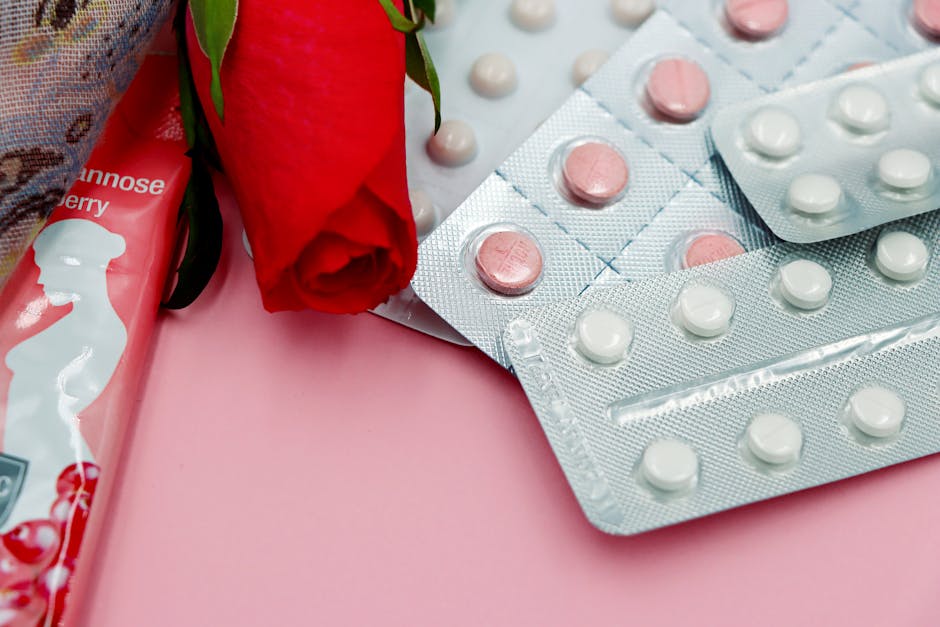
In this article, we’ll explore: Hormonal mechanisms of womens risk in the face of traumatic stress and why it matters today.
Related:
👉 Unraveling the Silent Story: How Hormonal Mechanisms Drive Women's Unique Risk After Traumatic Stress
👉 Unpacking the Invisible Burden: How Hormones Shape Women's Risk in the Face of Traumatic Stress
👉 Stomach Troubles? Here Are 8 Foods To Avoid With an Upset Stomach and What To Eat Instead (Your Gut Will Thank You!)
Learn more: Hormonal mechanisms of womens risk in the face of traumatic stress on Investopedia
Have you ever wondered why, after a shared traumatic experience, women often seem to struggle with anxiety, depression, or PTSD at higher rates than men? It’s a question that has puzzled researchers and clinicians for decades. While societal factors, types of trauma experienced, and reporting biases certainly play a role, there’s a powerful, often overlooked player in this complex equation: our hormones.
Imagine your body as a finely tuned orchestra. When a traumatic event strikes, it’s like a sudden, jarring noise that throws the entire ensemble into disarray. For women, the conductor of this orchestra – our delicate hormonal system – might be particularly sensitive to these shocks, influencing not just *how* we react in the moment, but also *how* our bodies and minds recover (or struggle to recover) long after the danger has passed.
This isn’t about saying women are “weaker” or more susceptible to trauma. Far from it. It’s about recognizing a profound biological reality that shapes our experiences. By delving into the intricate **hormonal mechanisms of women’s risk in the face of traumatic stress**, we can begin to understand why some women develop chronic symptoms while others, experiencing similar events, do not. This understanding isn’t just academic; it’s a crucial step towards developing more targeted, effective support and treatment for millions of women worldwide.
So, let’s pull back the curtain and explore the fascinating, often bewildering, world of hormones and their profound impact on how women navigate the aftermath of trauma.
The Unmistakable Gender Gap in Trauma Response
The statistics are stark. Women are twice as likely as men to develop Post-Traumatic Stress Disorder (PTSD) after experiencing trauma. They also report higher rates of anxiety disorders, depression, and certain chronic pain conditions linked to stress. This isn’t just about the types of trauma women often face, such as sexual assault or domestic violence, which are undeniably devastating. Even when exposed to similar traumas – say, a car accident or a natural disaster – the gender disparity in long-term mental health outcomes persists.
For a long time, the focus was primarily on psychological and social factors. And these are incredibly important! But increasingly, science is pointing towards our internal chemistry, particularly our hormones, as a critical piece of the puzzle. It’s like looking at a tree with wilting leaves. You might first check for pests or lack of water, but sometimes the root of the problem lies much deeper, in the soil’s composition or the tree’s internal biology.
Hormones: The Body’s Silent Messengers of Stress and Resilience
Our bodies are awash in hormones – chemical messengers that travel through our bloodstream, telling different parts of us what to do. They regulate everything from our mood and energy levels to our sleep and reproductive cycles. When it comes to stress and trauma, a few key players take center stage, and their performance differs significantly between the sexes.
Let’s meet some of the main characters:
Estrogen – The Double-Edged Sword
Estrogen, the primary female sex hormone, is often lauded for its protective qualities. It plays a vital role in brain health, influencing areas associated with memory, mood, and emotional regulation. It can even enhance the brain’s ability to create new connections, which is crucial for learning and adapting. Sounds great, right?
However, estrogen isn’t a constant. Its levels fluctuate dramatically throughout a woman’s life – during her menstrual cycle, pregnancy, and especially during perimenopause and menopause. And here’s where the “double-edged sword” comes in:
* **When estrogen is high and stable:** It can indeed be protective, helping to dampen the stress response and promote resilience. Think of it as a steady hand on the steering wheel during a bumpy ride.
* **When estrogen fluctuates wildly or drops significantly:** This is where vulnerability can increase. Imagine Sarah, who experiences a traumatic event during the low-estrogen phase just before her period. Her brain might be less equipped to process the stress, leading to a more intense and prolonged fear response. Similarly, during perimenopause, the erratic swings in estrogen can leave a woman feeling like her emotional “thermostat” is broken, making her more susceptible to anxiety and depression following a stressful event.
Progesterone – Our Calming Companion (or Its Absence)
Progesterone is another crucial female hormone, often thought of as estrogen’s calming counterpart. It helps to regulate mood and can have anxiolytic (anxiety-reducing) effects, partly by influencing GABA, a neurotransmitter that calms the nervous system.
After ovulation, progesterone levels rise, often contributing to that sense of calm in the second half of the menstrual cycle. But if conception doesn’t occur, progesterone drops sharply, leading to menstruation. This sudden withdrawal can leave some women feeling irritable, anxious, and more emotionally fragile – a common component of PMS or PMDD (Premenstrual Dysphoric Disorder).
If a traumatic event occurs during a period of low or rapidly declining progesterone, the body might lack its natural “calming agent,” making it harder to recover and increasing the risk of developing lasting trauma symptoms.
Cortisol – The Body’s Alarm Bell
Cortisol is the body’s primary stress hormone, released by the adrenal glands as part of the “fight, flight, or freeze” response. It’s essential for survival, giving us the energy and focus to react to danger. Our stress response system, known as the Hypothalamic-Pituitary-Adrenal (HPA) axis, is designed to rev up quickly and then calm down once the threat has passed.
However, in women, this HPA axis can sometimes become dysregulated after trauma. Instead of returning to baseline, it might stay stuck in “on” mode, leading to chronic high cortisol levels, or conversely, become exhausted and produce too little cortisol. This dysregulation is particularly common in PTSD. Research suggests that women’s HPA axis might be more sensitive to stress, or recover differently, compared to men’s, especially when influenced by fluctuating sex hormones. This can lead to persistent feelings of hypervigilance, anxiety, and difficulty relaxing.
Oxytocin – The Social Glue with a Twist
Often called the “love hormone” or “cuddle hormone,” oxytocin is known for its role in bonding, social connection, and trust. It can reduce stress and promote feelings of calm and well-being. After trauma, social support is a critical factor in recovery, and oxytocin facilitates this.
However, the relationship between oxytocin and trauma is nuanced. While generally beneficial, some studies suggest that in certain traumatic contexts, especially those involving betrayal or interpersonal violence, oxytocin’s role in attachment can become complicated. It might, paradoxically, contribute to hypervigilance or difficulty disengaging from harmful relationships if the trauma involved a trusted individual. More commonly, a *lack* of healthy oxytocin release post-trauma might hinder the ability to form supportive bonds, making recovery harder.
The Menstrual Cycle, Pregnancy, and Menopause: Hormonal Rollercoasters and Risk
The female lifespan is marked by profound hormonal shifts, each presenting unique challenges and opportunities for resilience or vulnerability in the face of traumatic stress.
The Monthly Rhythm
Think about the ebb and flow of your own menstrual cycle. Many women report feeling more sensitive, anxious, or irritable in the days leading up to their period (the luteal phase, when estrogen and progesterone drop). If a traumatic event occurs during this phase, a woman’s natural coping mechanisms might already be compromised, making her more susceptible to developing long-term symptoms. Conditions like PMDD are extreme examples of how hormonal fluctuations can amplify emotional distress, making the impact of trauma even more profound.
Pregnancy and Postpartum – A Unique Window
Pregnancy is a period of massive hormonal upheaval, followed by the dramatic drop in hormones after childbirth. While pregnancy itself can offer some protective effects due to high progesterone, the postpartum period is a time of immense vulnerability. Birth trauma, for instance, can lead to postpartum PTSD, anxiety, or depression. The sudden plummet in estrogen and progesterone, combined with sleep deprivation, physical recovery, and the overwhelming demands of new motherhood, creates a perfect storm where the body’s ability to cope with stress is severely tested.
Perimenopause and Menopause – The Shifting Sands
As women approach and enter menopause, estrogen and progesterone levels decline significantly and often erratically. This can trigger a host of physical and emotional symptoms, including hot flashes, sleep disturbances, anxiety, and depression. For women who have experienced past trauma, this period can be particularly challenging. The hormonal shifts can sometimes “reactivate” old trauma symptoms, making them resurface with renewed intensity, or worsen existing conditions. It’s as if the protective hormonal shield they once had is slowly being lowered, exposing old wounds.
Real-World Implications and What We Can Do
Understanding these **hormonal mechanisms of women’s risk in the face of traumatic stress** isn’t about accepting a predetermined fate. Instead, it’s about empowerment. It means we can approach trauma recovery with a more informed, holistic perspective.
Here are some actionable steps and considerations:
- Recognize the Signs: Pay attention to how your body and mind react to stress throughout your cycle or during different life stages. Are you more irritable, anxious, or having trouble sleeping during certain times?
- Track Your Cycle: Simple cycle tracking can help you identify patterns and anticipate periods of higher vulnerability. This awareness can be a powerful tool for self-care and support planning.
- Seek Trauma-Informed Care: Look for therapists and healthcare providers who understand the nuances of trauma and are sensitive to gender-specific biological factors.
- Consider Hormonal Health in Treatment: If you’re struggling with trauma symptoms, especially during significant hormonal transitions (like postpartum or perimenopause), discuss your hormonal health with your doctor. Sometimes, addressing hormonal imbalances can be a valuable part of a broader treatment plan.
- Prioritize Lifestyle Factors: Sleep, nutrition, regular exercise, and stress-reduction techniques (like meditation or yoga) are not just “nice-to-haves”; they are fundamental for supporting hormonal balance and overall resilience.
- Build Strong Support Systems: Social connection and feeling understood can buffer the effects of trauma. Lean on friends, family, or support groups.
Key Takeaways
- Women are disproportionately affected by trauma-related mental health conditions like PTSD.
- Beyond social factors, hormonal mechanisms play a critical role in shaping women’s vulnerability and response to traumatic stress.
- Fluctuations in estrogen can be both protective and a source of vulnerability, depending on its levels and stability.
- Progesterone’s calming effects are important, and its withdrawal can increase anxiety and trauma susceptibility.
- Women’s HPA axis (stress response system) may respond differently to trauma, leading to persistent dysregulation.
- Major hormonal shifts during the menstrual cycle, pregnancy, postpartum, and menopause can significantly impact a woman’s risk and recovery from trauma.
- Understanding these biological factors is crucial for developing more effective, personalized support and treatment for women.
Frequently Asked Questions (FAQ)
Q1: Does this mean women are “weaker” or inherently more fragile than men?
Absolutely not. It means women have a different, more complex hormonal system that interacts with stress in unique ways. This isn’t a weakness, but a biological difference that requires specific understanding and care. It highlights the incredible adaptability and resilience of the female body, even in the face of immense challenges.
Q2: Can men experience similar hormonal effects related to trauma?
While the focus here is on female-specific hormones, men also have hormones (like testosterone and cortisol) that influence their stress response. Testosterone, for example, can have some protective effects against anxiety. However, the baseline hormonal landscape and the cyclical nature of female hormones present distinct considerations when discussing trauma risk.
Q3: What’s the most important hormone for women to monitor after trauma?
It’s not about one single hormone. Our hormonal system is an intricate symphony, and they all work together. Instead of focusing on just one, it’s more beneficial to consider the overall balance and how different life stages (menstrual cycle, pregnancy, menopause) impact the entire system. A holistic approach is key.
Q4: Can diet and lifestyle changes really help with hormonal balance and trauma recovery?
Yes, absolutely! Diet, sleep, exercise, and stress management are foundational for hormonal health. For example, nutrient-dense foods support hormone production, good sleep helps regulate cortisol, and exercise can reduce stress hormones and boost feel-good chemicals. These aren’t cures, but they are powerful tools that can significantly improve resilience and aid in recovery.
The journey through trauma is deeply personal, but it’s also profoundly influenced by our biology. By shedding light on the intricate hormonal mechanisms that shape women’s risk and response to traumatic stress, we can foster a world where women are not just heard, but truly understood and supported in their healing. It’s time to embrace the full picture – mind, body, and hormones – to empower women to not just survive trauma, but to thrive beyond it.
Written with love and assistance and refined for quality.
{“@context”:”https://schema.org”,”@type”:”Article”,”headline”:”Understanding Why Trauma Hits Women Differently: Unpacking the Hormonal Mechanisms of Risk”,”description”:”In this article, weu2019ll explore: Hormonal mechanisms of womens risk in the face of traumatic stress and why it matters…”,”author”:{“@type”:”Person”,”name”:”rahuljait”},”datePublished”:”2026-05-12T03:54:06+00:00″,”dateModified”:”2026-05-12T03:54:06+00:00″,”mainEntityOfPage”:”https://healthyworldz.com/understanding-why-trauma-hits-women-differently-unpacking-the-hormonal-mechanisms-of-risk/”,”image”:[“https://healthyworldz.com/wp-content/uploads/2026/05/hormonal-mechanisms-of-womens-risk-in-the-face-of-traumatic-stress-64.jpg”]}
🔗 Related: 8 Foods To Avoid With an…
🔗 Related: Hormonal mechanisms of womens risk in…
🔗 Related: Hormonal mechanisms of womens risk in…