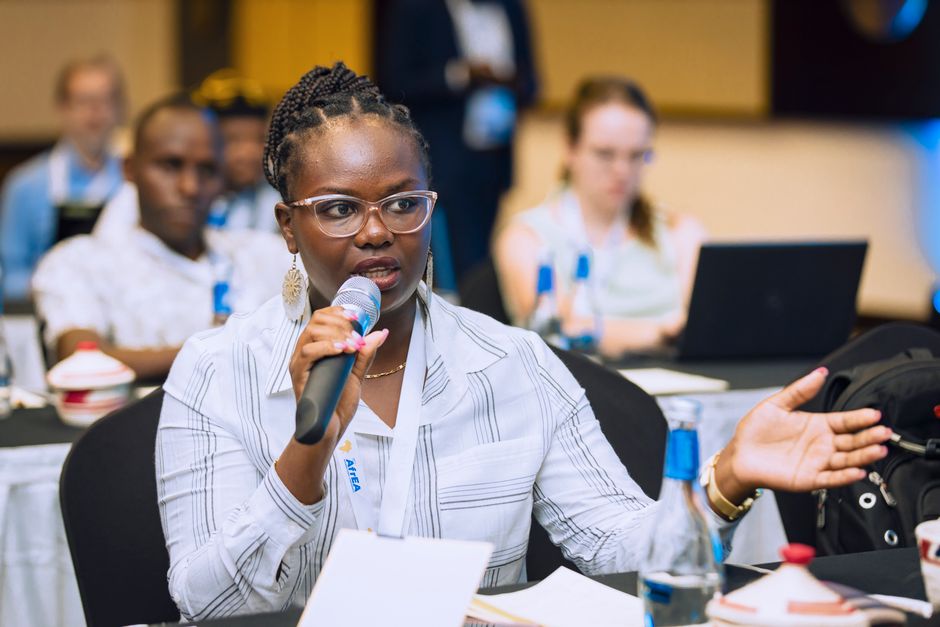
In this article, we’ll explore: BcozSheMatters: WHO Health Ministry roll out campaign on women and girls health and well-being and why it matters today.
Related:
👉 Health Rounds: Glucosamine Used for Joint Pain Linked to Dementia Progression – What You Need to Know
👉 Why We Need to Talk About Period Poverty: A Global Menstrual Health Crisis
👉 Putting Her First: Why the "BcozSheMatters" WHO Health Ministry Campaign is a Game-Changer for Women and Girls
Imagine a small village where a young mother named Priya lives. Priya is the backbone of her family. She wakes up before the sun, prepares meals, tends to the fields, and ensures her children are ready for school. But for years, Priya has ignored a persistent ache in her back and a feeling of constant fatigue. Why? Because in her world, everyone else’s health comes first. Her well-being is always on the back burner.
Priya’s story isn’t unique. Millions of women and girls across the globe face the same reality. They are the caregivers, the nurturers, and the workers, yet their own health needs are often the last to be addressed. This is exactly why the recent announcement has sparked so much hope. The BcozSheMatters: WHO Health Ministry roll out campaign on women and girls health and well-being is more than just a policy update; it is a movement designed to put women like Priya at the center of the healthcare conversation.
In this post, we’re going to dive deep into what this campaign actually means, why it’s happening now, and how it plans to change the lives of women and girls for the better.
What is the BcozSheMatters Campaign All About?
The “BcozSheMatters” initiative is a collaborative effort between the World Health Organization (WHO) and the Ministry of Health. At its core, the campaign recognizes a simple but profound truth: when a woman is healthy, her family, her community, and her country thrive. It’s a ripple effect that starts with one person but touches everyone.
The campaign isn’t just about handing out flyers or running a few TV ads. It’s a comprehensive strategy aimed at systemic change. It focuses on breaking down the barriers—be they cultural, financial, or geographical—that prevent women from accessing quality healthcare.
By bringing the WHO’s global expertise together with the Ministry of Health’s local reach, the campaign aims to provide a safety net for girls from infancy through to their senior years. It’s about holistic health, covering everything from physical ailments to mental well-being.
The Core Pillars of the Campaign
The BcozSheMatters: WHO Health Ministry roll out campaign on women and girls health and well-being is built on several key pillars. Let’s break down what these look like in the real world.
1. Maternal and Reproductive Health
While maternal mortality rates have dropped over the last decade, the numbers are still too high in many regions. This campaign focuses on “Respectful Maternity Care.” This means ensuring that every woman has access to a skilled birth attendant and a safe environment, but also that she is treated with dignity and choice during the process.
2. Nutritional Security
Anemia is a silent crisis among women and adolescent girls. Many girls grow up without the proper iron and vitamins they need to develop fully. The campaign introduces community-led nutrition programs that teach families how to use local ingredients to create balanced diets, specifically targeting the needs of growing girls.
3. Mental Health Awareness
For too long, women’s mental health has been a taboo subject. Postpartum depression, anxiety, and the stress of balancing work and home life are often dismissed. BcozSheMatters is rolling out counseling services at the primary healthcare level, making it okay—and easy—for women to say, “I’m not okay, and I need help.”
4. Preventative Screening for Non-Communicable Diseases
Cervical and breast cancers are treatable if caught early, yet many women only visit a doctor when symptoms become severe. The campaign is setting up mobile screening clinics that go directly to neighborhoods and workplaces, making check-ups a regular part of life rather than a scary, once-in-a-decade event.
Why This Campaign is Different: A Human-Centric Approach
We’ve seen health campaigns before, so what makes this one special? It’s the shift from “treating patients” to “empowering individuals.”
Take the example of Sarah, a 16-year-old student. In many cultures, talking about menstrual hygiene is still considered “hush-hush.” Sarah might stay home from school for a week every month because she lacks the resources or the knowledge to manage her period safely. The BcozSheMatters campaign addresses this head-on by integrating menstrual health education into schools and ensuring affordable products are available. This isn’t just a “health” issue; it’s an education and equality issue.
The campaign also uses technology in a way that feels human. Think of a simple WhatsApp bot that sends pregnancy tips to a mother in a remote area, or a community radio show where local doctors answer questions in the native language. It’s about meeting women where they are, not expecting them to jump through hoops to find care.
Addressing the Barriers: The “Why” Behind the Struggle
To understand why the BcozSheMatters: WHO Health Ministry roll out campaign on women and girls health and well-being is so vital, we have to look at the hurdles women face daily:
- The “Time Poverty” Factor: Women often work double shifts—one at a job and one at home. Finding three hours to travel to a clinic and wait in line is often impossible.
- Financial Dependency: In many households, women do not control the finances. If a medical test costs money, it may be deemed “unnecessary” compared to other household needs.
- Lack of Female Healthcare Providers: In some regions, women feel uncomfortable being examined by male doctors. The campaign is actively training more female community health workers to bridge this gap.
- Stigma: Whether it’s reproductive health or mental health, stigma keeps women silent. BcozSheMatters uses storytelling and community leaders to normalize these conversations.
Real-World Impact: What Success Looks Like
Success for this campaign won’t just be measured in spreadsheets and data points. It will be measured in the stories of changed lives.
Success is a grandmother getting a routine screening and catching a health issue before it becomes a crisis. Success is a teenage girl staying in school because she understands her body and feels confident. Success is a new mother feeling supported by her community instead of isolated and overwhelmed.
The partnership between the WHO and the Health Ministry ensures that the latest medical research is applied in a way that respects local traditions and lifestyles. It’s a marriage of “High Tech” and “High Touch.”
Key Takeaways from the BcozSheMatters Initiative
- Integrated Care: Health is not just the absence of disease; it’s physical, mental, and social well-being.
- Accessibility: Bringing healthcare to the doorstep through mobile units and community workers.
- Education: Empowering girls with knowledge about their bodies from a young age to prevent future health issues.
- Collaboration: Using the combined power of international standards (WHO) and local implementation (Ministry of Health).
- Dignity: Ensuring that every woman, regardless of her background, is treated with respect in the healthcare system.
How Can You Support the Movement?
You don’t have to be a doctor to support the BcozSheMatters: WHO Health Ministry roll out campaign on women and girls health and well-being. Change starts with conversation.
Talk to the women in your life. Encourage your mother, sister, or friend to go for that check-up they’ve been putting off. Support local initiatives that provide hygiene products to schools. Most importantly, help break the silence around women’s health issues. When we talk about it, we take away the shame, and when the shame is gone, healing can begin.
Conclusion: A Healthier Future for All
The launch of the BcozSheMatters campaign is a landmark moment. It signals a shift in how society views the health of half its population. It’s an admission that we can no longer afford to let women’s health be an afterthought.
By investing in the health and well-being of women and girls, the WHO and the Health Ministry are investing in the future of the world. Because when she matters, we all thrive. Let’s make sure that every Priya, every Sarah, and every woman out there knows that her health isn’t just a luxury—it’s a priority.
Frequently Asked Questions (FAQ)
1. What is the main goal of the BcozSheMatters campaign?
The main goal is to improve the overall health and well-being of women and girls by providing better access to maternal care, nutritional support, mental health services, and preventative screenings for diseases like cancer.
2. Who is behind this initiative?
The campaign is a joint effort between the World Health Organization (WHO) and the national Ministry of Health, combining global healthcare standards with local execution.
3. Does the campaign cover mental health?
Yes, mental health is a major pillar of the campaign. It aims to reduce stigma and provide counseling and support services at the community level for issues like postpartum depression and anxiety.
4. How will the campaign reach women in rural areas?
The initiative includes the rollout of mobile health clinics, the training of community health workers, and the use of digital communication tools to ensure that even those in remote locations receive care and information.
5. Why is the campaign specifically focusing on girls?
Investing in girls’ health early on—specifically regarding nutrition and reproductive education—prevents long-term health complications and ensures they can stay in school and participate fully in the economy as they grow.
6. How can I get involved or find more information?
You can follow the official updates from the Ministry of Health website or the WHO’s regional portals. You can also participate by spreading awareness in your local community and supporting local women’s health clinics.
Written with love and assistance and refined for quality.
🔗 Related: Why Men Lose Weight Differently Than…