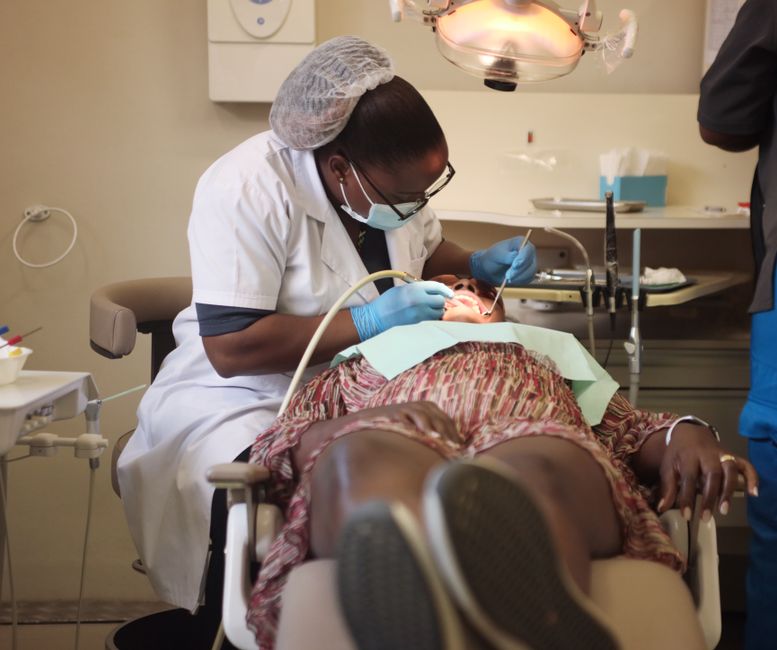
In this article, we’ll explore: BcozSheMatters: WHO Health Ministry roll out campaign on women and girls health and well-being and why it matters today.
Related:
👉 Beyond the Gym: How This One Simple Supplement Boosts Both Your Biceps and Your Brain
👉 Beyond the "Oops" Moment: Understanding Perineal Muscle Strength and Bladder Health for Young Moms in Mangaluru
👉 BcozSheMatters: Why the New WHO and Health Ministry Campaign is a Game-Changer for Women’s Well-being
Have you ever noticed how the women in our lives—our mothers, sisters, wives, and daughters—are often the very last people to sit down at the dinner table? They are the caregivers, the multitaskers, and the emotional anchors of our homes. But in the middle of taking care of everyone else, their own health often takes a backseat. It’s a silent sacrifice we see every day, but it’s one that comes with a heavy price.
Recognizing this global reality, a powerful new initiative has taken center stage. The BcozSheMatters: WHO Health Ministry roll out campaign on women and girls health and well-being is more than just a government program; it is a long-overdue conversation about the value of a woman’s life. This campaign isn’t just about distributing medicine; it’s about changing the way society views the health of its women and girls.
In this post, we’re going to dive deep into what this campaign means, why it’s launching now, and how it aims to transform the lives of millions. Because at the end of the day, when a woman is healthy, a family thrives, and a nation prospers.
What is the #BcozSheMatters Campaign All About?
At its core, the BcozSheMatters initiative is a collaborative effort between the World Health Organization (WHO) and the Ministry of Health. It’s designed to address the unique health challenges that women and girls face throughout their lives—from puberty and pregnancy to menopause and old age.
For too long, women’s health has been narrowly defined as “maternal health.” While safe childbirth is incredibly important, a woman’s well-being is about so much more than her ability to have children. The BcozSheMatters: WHO Health Ministry roll out campaign on women and girls health and well-being looks at the “whole person.” It covers nutrition, mental health, preventive screenings for cancers, and the right to live free from violence.
The campaign uses a mix of grassroots outreach, digital awareness, and policy changes to ensure that healthcare isn’t just available, but also accessible and affordable. It’s about making sure a young girl in a rural village has the same access to hygiene products as a woman in a bustling city, and ensuring that an elderly woman has the support she needs to manage chronic conditions.
The Pillars of the Campaign: A Holistic Approach
To understand the impact of this rollout, we need to look at the specific areas it focuses on. The WHO and the Health Ministry have identified several “pillars” that form the foundation of this movement.
1. Maternal and Reproductive Health
While the campaign goes beyond motherhood, it certainly doesn’t ignore it. We still face heartbreaking statistics regarding maternal mortality in many parts of the world. This pillar focuses on “Safe Motherhood”—ensuring that every woman has access to prenatal care, skilled birth attendants, and postpartum support. It’s about making sure that bringing life into the world doesn’t cost a woman her own.
2. Menstrual Hygiene and Dignity
Let’s talk about something that is often whispered about: periods. In many cultures, menstruation is still treated as a taboo. This leads to girls missing school and women using unsafe materials that cause infections. The BcozSheMatters campaign aims to break this silence. By providing education and affordable hygiene products, the campaign ensures that girls can stay in school and live with dignity every day of the month.
3. Preventive Care and Early Detection
Consider the story of Meera, a 45-year-old mother of three. She felt a small lump in her breast but ignored it because she was too busy with her children’s exams. By the time she saw a doctor, the cancer had progressed. This campaign wants to prevent stories like Meera’s. Through mass screening drives for cervical and breast cancer, the initiative aims to catch illnesses early when they are most treatable.
4. Mental Health and Emotional Well-being
Women are disproportionately affected by anxiety and depression, often due to societal pressures and domestic roles. The “BcozSheMatters” movement places a heavy emphasis on mental health. It encourages women to speak up about their struggles and provides training for community health workers to recognize signs of burnout and domestic distress.
Why Now? The Urgency of Women’s Health Post-Pandemic
You might wonder, why is this campaign rolling out with such intensity right now? The truth is, the last few years have been incredibly hard on women. During the global pandemic, health resources were diverted, and many women skipped their routine check-ups. Lockdowns also saw a rise in domestic issues, and the economic fallout hit women-led households particularly hard.
The BcozSheMatters: WHO Health Ministry roll out campaign on women and girls health and well-being is a direct response to this “health debt.” We are at a crossroads where we can either let these gaps widen or take bold action to close them. The WHO and the Health Ministry are choosing the latter, recognizing that we cannot have a global recovery without prioritizing the half of the population that holds our communities together.
Real-World Impact: Stories from the Ground
To see how this campaign works in real life, look at the “Health Melas” or community fairs being organized in various districts. In one small town, a mobile health van arrived as part of the BcozSheMatters initiative.
A young woman named Ananya visited the van. She had been suffering from severe anemia but didn’t know why she felt so tired all the time. The campaign workers provided her with iron supplements and, more importantly, educated her family about the importance of a protein-rich diet for girls. A few months later, Ananya’s energy returned, and she was able to finish her vocational training. This is the “BcozSheMatters” effect in action—small interventions leading to life-changing results.
Another example is the training of “Asha” workers (community health activists). These women are the backbone of the campaign. They go door-to-door, speaking to grandmothers and mothers-in-law, explaining that a daughter-in-law’s health is an investment, not an expense. They are changing mindsets, one household at a time.
Breaking the Barriers: Overcoming Social Taboos
One of the biggest hurdles the Health Ministry faces isn’t a lack of medicine—it’s a lack of permission. In many traditional settings, a woman needs permission from a male family member to visit a clinic.
The BcozSheMatters campaign addresses this by involving men and boys in the conversation. It teaches that “She Matters” to the whole family. When men understand that a healthy wife or mother leads to a more stable and prosperous home, they become allies instead of gatekeepers. The campaign uses local influencers, religious leaders, and sports stars to spread the message that seeking healthcare is a sign of strength, not weakness.
Key Takeaways of the BcozSheMatters Initiative
- Comprehensive Care: It moves beyond just maternal health to include mental health, nutrition, and non-communicable diseases.
- Accessibility: Bringing screenings and treatments to the doorstep of rural and underserved communities.
- Education: Focusing on menstrual hygiene to keep girls in school and empowered.
- Early Detection: Prioritizing screenings for cancers that specifically affect women.
- Inclusive Approach: Engaging men and community leaders to break down social barriers and taboos.
How You Can Support the Movement
You don’t have to be a doctor or a policymaker to make a difference. The BcozSheMatters: WHO Health Ministry roll out campaign on women and girls health and well-being is a collective effort. Here is how you can help:
- Spread the Word: Use the hashtag #BcozSheMatters on social media to share health tips and campaign updates.
- Encourage the Women in Your Life: If you notice a friend or family member neglecting their health, offer to go with them to a check-up.
- Educate Yourself: Learn about the signs of common health issues like PCOS, anemia, or postpartum depression so you can provide better support.
- Support Local Clinics: Volunteer or donate to organizations that provide hygiene products to schoolgirls.
The Road Ahead: A Healthier Future for All
The rollout of this campaign is a marathon, not a sprint. It will take years of consistent effort to undo decades of neglect. However, the partnership between the WHO and the Health Ministry provides a roadmap that is both scientific and compassionate.
When we say “Because She Matters,” we are acknowledging that a woman’s health is her fundamental right. We are saying that her pain is real, her mental health is important, and her future is worth investing in. As this campaign reaches more villages, towns, and cities, we can look forward to a world where no girl is held back by her biology and no woman is forgotten by the healthcare system.
Frequently Asked Questions (FAQ)
What is the main goal of the BcozSheMatters campaign?
The primary goal is to improve the overall health and well-being of women and girls by providing accessible healthcare, education on menstrual hygiene, and early screening for life-threatening diseases.
Who is behind this initiative?
The campaign is a joint effort between the World Health Organization (WHO) and the national Ministry of Health, working alongside local community health workers.
Does the campaign only focus on pregnant women?
No. While maternal health is a key pillar, the campaign covers all stages of a woman’s life, including adolescent health, preventive cancer screenings, and geriatric care for elderly women.
How does the campaign address mental health?
It integrates mental health screenings into routine check-ups and trains community workers to provide basic counseling and referrals for women dealing with anxiety, depression, or domestic stress.
Is this campaign only for rural areas?
While there is a strong focus on reaching underserved rural populations, the campaign also targets urban areas where women may face different barriers, such as high costs or lack of time due to work commitments.
How can I find out if there is a BcozSheMatters event near me?
You can check the official Health Ministry website or follow their social media channels for updates on mobile clinic schedules and community health fairs in your region.
Written with love and assistance and refined for quality.
🔗 Related: A perfect storm for bone loss…
🔗 Related: Perineal muscle strength as a predictor…
🔗 Related: Research Shows This Supplement Can Help…