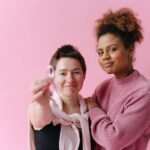
In this article, we’ll explore: BcozSheMatters: WHO Health Ministry roll out campaign on women and girls health and well-being and why it matters today.
Related:
👉 Why Getting Pregnant with PCOS is So Hard: The New Science of Uterine Receptivity
👉 Why Women Experience Trauma Differently: Understanding the Hormonal Mechanisms of Women’s Risk in the Face of Traumatic Stress
👉 Muscle Plays a Role in Weight Loss—But Not How You Think
Imagine a world where every woman, regardless of where she lives or how much she earns, has the tools to live her healthiest life. Imagine a young girl in a remote village having the same access to menstrual hygiene education as a teenager in a bustling city. Picture a mother who doesn’t have to choose between her own medical checkup and buying groceries for her children.
This isn’t just a dream anymore. It is the core mission behind a massive new initiative. Recently, the global health community took a giant leap forward as we witnessed the BcozSheMatters: WHO Health Ministry roll out campaign on women and girls health and well-being. This isn’t just another government program or a temporary hashtag; it is a comprehensive movement designed to reshape the future of healthcare for half the world’s population.
In this post, we’re going to dive deep into what this campaign actually means for real people, why it’s happening now, and how it aims to break down the barriers that have kept women’s health in the shadows for far too long.
What is the #BcozSheMatters Campaign?
At its heart, the “BcozSheMatters” campaign is a collaborative effort between the World Health Organization (WHO) and various Ministries of Health. The goal is simple yet profound: to prioritize the physical, mental, and social well-being of women and girls at every stage of their lives.
For decades, “women’s health” was often narrowed down to just maternal health—pregnancy and childbirth. While those are incredibly important, a woman’s health is so much more than her reproductive capacity. The BcozSheMatters: WHO Health Ministry roll out campaign on women and girls health and well-being recognizes this by expanding the focus to include nutrition, non-communicable diseases (like diabetes and heart disease), mental health, and protection against gender-based violence.
It’s a “life-course” approach. This means the campaign looks at the health of a girl from the moment she is born, through her adolescence, into her reproductive years, and all the way through menopause and old age.
The Core Pillars of the Movement
To understand the impact of this rollout, we need to look at the specific areas where the campaign is putting its energy and resources. It’s not just about posters on clinic walls; it’s about systemic change.
1. Bridging the Nutrition Gap
Did you know that women and girls are disproportionately affected by malnutrition and anemia? In many cultures, women are the last to eat in a household. The campaign focuses on educating families about the importance of iron-rich diets and providing supplements to adolescent girls to prevent long-term health issues.
2. Menstrual Health and Dignity
In many parts of the world, a girl’s education stops when her period starts because she lacks access to sanitary products or private toilets. #BcozSheMatters aims to treat menstrual health as a human rights issue. By providing “Dignity Kits” and improving school infrastructure, the campaign ensures that a natural biological process never stands in the way of a girl’s future.
3. Mental Health: Breaking the Silence
Women are statistically more likely to experience anxiety and depression, often due to societal pressures, caregiving burdens, or domestic issues. This campaign brings mental health professionals into community centers, making it “okay” to talk about the heavy lifting women do emotionally every single day.
4. Preventative Screenings for All
Early detection saves lives. The campaign is rolling out mobile screening units for cervical cancer and breast cancer, bringing life-saving technology to the doorsteps of women who might otherwise never visit a specialist.
Real-World Impact: Meet Sarah and Anjali
To understand why the BcozSheMatters: WHO Health Ministry roll out campaign on women and girls health and well-being is so vital, let’s look at two hypothetical but very realistic examples.
Sarah’s Story: Sarah is a 45-year-old mother of three living in an urban suburb. She spends her days juggling a job and her kids’ schedules. She has been feeling exhausted and having irregular heart palpitations, but she ignores it, thinking it’s just “stress.” Through a #BcozSheMatters community workshop, she learns about the symptoms of heart disease in women—which are often different from men’s. She gets a free screening, discovers a manageable condition, and is now on the path to a long, healthy life with her family.
Anjali’s Story: Anjali is 14 and lives in a rural village. She used to stay home from school five days every month because she was embarrassed about her period. As part of the WHO-backed campaign, her school received new facilities and health education sessions. Anjali now understands her body, has access to sustainable hygiene products, and hasn’t missed a day of school in six months. Her dream of becoming a doctor is now back on track.
Why This Campaign is Different: A Shift in Perspective
You might be wondering, “Haven’t there been health campaigns before?” Yes, but the BcozSheMatters: WHO Health Ministry roll out campaign on women and girls health and well-being is different for a few key reasons:
- It’s Integrated: It doesn’t treat health issues in isolation. It understands that a woman’s physical health is tied to her economic status and her safety at home.
- It’s Data-Driven: The WHO is using localized data to see exactly where the gaps are. If a specific region has high rates of maternal mortality, the resources go there immediately.
- It Involves Men and Boys: This is crucial. The campaign educates men on why supporting the health of the women in their lives benefits the whole family and the entire economy.
- It Challenges Taboos: From menopause to sexual health, the campaign speaks openly about topics that were previously considered “hush-hush.”
The Economic Ripple Effect
There’s an old saying: “When you educate a woman, you educate a nation.” The same goes for health. When a woman is healthy, she can participate in the workforce, she can lead her community, and her children are more likely to be healthy and educated.
By investing in the #BcozSheMatters initiative, governments aren’t just spending money; they are investing in their country’s GDP. Healthy women drive the economy. They are the backbone of the healthcare sector, the education system, and the informal labor market. When we ignore their health, we ignore the engine of society.
Key Takeaways from the #BcozSheMatters Initiative
- Holistic Care: Health is more than the absence of disease; it includes mental well-being and social safety.
- Accessibility: The campaign aims to bring healthcare to the people, rather than waiting for people to find healthcare.
- Empowerment through Education: Knowledge is the first step toward health. Teaching girls about their bodies empowers them for life.
- Government Accountability: By partnering with the WHO, local Health Ministries are making a public commitment to meet specific health targets.
How You Can Support the Cause
You don’t have to be a doctor or a politician to make a difference. The spirit of the BcozSheMatters: WHO Health Ministry roll out campaign on women and girls health and well-being can start right in your own neighborhood.
Start by talking about it. Share information about health screenings with your friends. Encourage the women in your life to take a “wellness day.” If you are a man, take on more of the domestic load so the women in your family have time to prioritize their medical appointments. Change happens when a global campaign meets local action.
Final Thoughts
The rollout of the #BcozSheMatters campaign marks a turning point. It is a recognition that for too long, the specific health needs of women and girls have been secondary. By putting them front and center, the WHO and Health Ministries are not just improving individual lives—they are strengthening the fabric of our global society.
Because at the end of the day, when she thrives, we all thrive. And that is exactly why she matters.
Frequently Asked Questions (FAQ)
What is the main goal of the #BcozSheMatters campaign?
The main goal is to provide comprehensive, life-course healthcare for women and girls, focusing on everything from nutrition and menstrual hygiene to mental health and non-communicable diseases.
Is this campaign only for developing countries?
No. While the challenges vary, the BcozSheMatters: WHO Health Ministry roll out campaign on women and girls health and well-being is a global initiative. Even in wealthy nations, women face health disparities and biases that this campaign seeks to address.
How does the campaign address mental health?
It integrates mental health services into primary healthcare. This means when a woman goes for a physical checkup, she is also screened for stress, anxiety, and depression, with access to counseling if needed.
Can men participate in this campaign?
Absolutely! The campaign encourages men to be allies by advocating for the health rights of their daughters, wives, and mothers, and by helping to break down the stigmas surrounding women’s health issues.
Where can I find more information about local events?
You can check the official website of your national Ministry of Health or the WHO’s regional office website for specific dates, mobile clinic locations, and educational resources related to the #BcozSheMatters rollout.
Written with love and assistance and refined for quality.
{“@context”:”https://schema.org”,”@type”:”Article”,”headline”:”BcozSheMatters: Why the WHO Health Ministryu2019s New Campaign is a Game-Changer for Women and Girls Everywhere”,”description”:”In this article, weu2019ll explore: BcozSheMatters: WHO Health Ministry roll out campaign on women and girls health and well-being and…”,”author”:{“@type”:”Person”,”name”:”Dr. Cuterus”},”datePublished”:”2026-06-01T08:04:54+00:00″,”dateModified”:”2026-06-01T08:04:54+00:00″,”mainEntityOfPage”:”https://healthyworldz.com/bcozshematters-why-the-who-health-ministrys-new-campaign-is-a-game-changer-for-women-and-girls-everywhere/”,”image”:[“https://healthyworldz.com/wp-content/uploads/2026/06/bcozshematters-who-health-ministry-roll-out-campaign-on-women-and-girls-health-and-well-being-1.jpg”]}
🔗 Related: Muscle Plays a Role in Weight…
🔗 Related: HealthFab Secures Series A Funding to…
🔗 Related: Hormonal mechanisms of womens risk in…