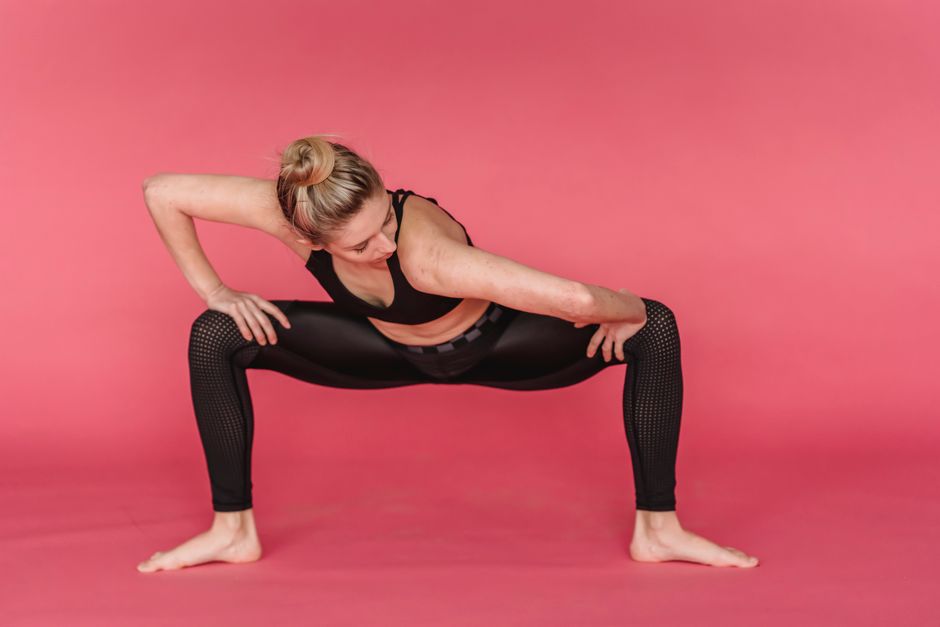
In this article, we’ll explore: Perineal muscle strength as a predictor of stress urinary incontinence among young parous women in Mangaluru India and why it matters today.
Related:
👉 Why Getting Pregnant with PCOS is So Complicated: New Insights into Endometrial Receptivity
👉 Why Every Young Mother in Mangaluru Should Care About Perineal Muscle Strength
👉 The Silent Risk: Why Menopause and GLP-1 Drugs Could Be a Perfect Storm for Your Bones
Imagine you’re walking through the vibrant, bustling streets of Hampankatta in Mangaluru. You’ve just finished a lovely lunch with friends, the smell of fresh ghee roast still lingering in the air. Suddenly, someone tells a hilarious joke. You start to laugh, but then—panic. A tiny, involuntary leak happens. You freeze, your heart sinks, and the joy of the moment evaporates.
If this sounds familiar, you aren’t alone. For many young mothers in our beautiful coastal city, this is a daily reality. It’s called Stress Urinary Incontinence (SUI), and while it’s often whispered about in hushed tones, it’s time we brought the conversation into the light. Recent insights have shown that perineal muscle strength as a predictor of stress urinary incontinence among young parous women in Mangaluru India is a crucial area of health that deserves our attention.
In this post, we’re going to dive deep into what this means, why it’s happening to young women, and how understanding your body can help you regain your confidence.
What Exactly is Stress Urinary Incontinence (SUI)?
Before we get into the technicalities, let’s simplify the terms. Stress Urinary Incontinence isn’t about emotional stress (though it certainly causes plenty of it!). Instead, “stress” refers to physical pressure. When you cough, sneeze, laugh, or lift a heavy grocery bag, you’re putting pressure on your bladder.
If the muscles that support your bladder—the pelvic floor or perineal muscles—are strong, they act like a sturdy hammock, keeping everything sealed shut. But if those muscles are weakened, that “hammock” sags, and a little bit of urine can escape. For young parous women (women who have given birth), this is a common post-pregnancy hurdle.
Why Focus on Young Mothers in Mangaluru?
Mangaluru is a unique blend of traditional values and modern living. We have incredible healthcare facilities, yet many young women feel a sense of “shame” or “guilt” regarding postpartum body changes. There’s a common misconception that “leaking” is just a natural, permanent part of being a mother.
But here’s the truth: just because it’s common doesn’t mean it’s normal. By looking at perineal muscle strength as a predictor of stress urinary incontinence among young parous women in Mangaluru India, researchers and physiotherapists are finding that we can actually predict who is at risk and intervene early.
The Science of the “Predictor”: Why Muscle Strength Matters
Think of your perineal muscles as the foundation of a house. If the foundation is solid, the house stays upright regardless of the weather. In the context of pelvic health, the “weather” is the physical activity you do every day.
When researchers study young women in Mangaluru, they look at the “Maximum Voluntary Contraction” (MVC) of these muscles. By measuring how strongly a woman can squeeze those muscles, they can accurately predict the likelihood of her experiencing SUI.
- The Pregnancy Factor: Carrying a baby for nine months puts immense pressure on the pelvic floor.
- The Delivery Factor: Both vaginal births and C-sections impact the integrity of the perineal area, though in different ways.
- The Lifestyle Factor: In Mangaluru, many young moms are juggling careers and household duties, often neglecting their own physical recovery in the rush of daily life.
A Real-Life Story: Ananya’s Journey
Let’s look at Ananya, a 28-year-old software engineer living in Bejai. After the birth of her first daughter, Ananya noticed she couldn’t jump during her morning Zumba classes without an “accident.” She felt embarrassed and stopped exercising altogether. She thought this was her “new normal” as a mom.
It wasn’t until she spoke to a specialist that she realized her perineal muscle strength was significantly lower than it should be for her age. By focusing on targeted pelvic floor rehabilitation, Ananya was able to strengthen that “hammock.” Within months, she was back to her Zumba classes, leak-free and confident. Ananya’s story is a testament to why we need to treat muscle strength as a vital sign of postpartum health.
Why Does Strength Decline in Young Women?
You might wonder, “I’m young, shouldn’t my muscles bounce back?” While youth is on your side, several factors specifically affect women in our region:
1. Lack of Postpartum Physical Therapy
In many Indian households, the “confinement period” after birth focuses heavily on diet (like those nutritious but heavy laddoos!) and rest. While rest is vital, there is often zero focus on rehabilitating the pelvic floor muscles. Without specific exercises, these muscles remain overstretched and weak.
2. Nutritional Gaps
Even in a food-rich city like Mangaluru, specific micronutrient deficiencies can affect muscle tone and tissue repair. Collagen production, which helps keep tissues elastic, requires a balanced intake of Vitamin C, zinc, and protein.
3. Multiple Pregnancies
For young women who have two children in quick succession, the perineal muscles don’t always have enough time to fully recover between pregnancies, leading to a cumulative weakening effect.
How is Perineal Muscle Strength Measured?
If you were to visit a pelvic health physiotherapist in Mangaluru, they wouldn’t just guess your muscle strength. They use objective tools. This is where the research into perineal muscle strength as a predictor of stress urinary incontinence among young parous women in Mangaluru India becomes very practical.
- Digital Palpation: A trained professional uses a manual scale (like the Oxford Scale) to feel the strength and duration of a contraction.
- Perineometers: Small devices that measure the actual pressure exerted by the muscles.
- Biofeedback: Visual displays that show you exactly how your muscles are working in real-time.
Breaking the Stigma: It’s Time to Talk
One of the biggest hurdles in Mangaluru isn’t the lack of medical tech—it’s the silence. Many young women feel that discussing “down there” is taboo. They buy pads to manage the leaks rather than seeking a cure.
We need to change the narrative. Strengthening your perineal muscles isn’t just about stopping leaks; it’s about sexual health, core stability, and long-term mobility. When we treat muscle strength as a “predictor,” we are empowering women to take action before the problem worsens in their 40s and 50s.
Key Takeaways for Young Mothers
- Listen to your body: A small leak today could indicate a muscle weakness that needs attention.
- Don’t wait: You don’t have to wait until you’re older to seek help. Early intervention is the most effective.
- Consistency is key: Pelvic floor exercises (Kegels) only work if you do them correctly and regularly.
- Seek professional guidance: Not all “leaks” are the same. A professional can tell you if your muscles are too weak or, surprisingly, too tight.
Frequently Asked Questions (FAQ)
1. Can SUI go away on its own after delivery?
In some cases, the body heals significantly in the first six months. However, if you are still experiencing leaks after your “six-week checkup,” it’s unlikely to disappear without targeted muscle strengthening.
2. Are Kegels the only way to improve perineal muscle strength?
While Kegels are the gold standard, overall core stability, proper breathing techniques, and even posture play a role in how your pelvic floor functions.
3. Is this only a problem for women who had a vaginal birth?
No. While vaginal birth can cause direct stretching, the weight of the pregnancy itself weakens the pelvic floor. Women who have had C-sections can still experience SUI.
4. Where can I find help in Mangaluru?
Mangaluru is home to several top-tier hospitals and specialized physiotherapy clinics. Look for “Pelvic Floor Physiotherapists” or “Women’s Health Specialists” at major medical centers in the city.
5. Is surgery the only option for SUI?
Absolutely not! For the vast majority of young women, conservative management—like physical therapy and lifestyle changes—is highly effective. Surgery is usually a last resort for severe cases.
Conclusion: Your Health is Your Priority
Understanding perineal muscle strength as a predictor of stress urinary incontinence among young parous women in Mangaluru India is more than just a scientific endeavor; it’s a pathway to a better quality of life.
To all the young moms in Mangaluru: you do so much for your families. You navigate the traffic on MG Road, you manage the household, you excel in your careers, and you raise the next generation. Don’t let a treatable condition like SUI hold you back from laughing loudly, running freely, and living your life with total confidence.
Take that first step today. Talk to a professional, start your exercises, and remember—your strength starts from within.
Written with love and assistance and refined for quality.
🔗 Related: Perineal muscle strength as a predictor…
🔗 Related: Research Shows This Supplement Can Help…