
In this article, we’ll explore: Mosque workshops help Muslim women discuss reproductive health in NSW and why it matters today.
Related:
👉 Health on the Move: The Union Health Ministry rolls out Delhi Metro campaign on Womens and Girls Health and well-being
👉 She Was Out to Change the World and She Said So: The Death of Feminist Leader Gloria Steinem Reminds Us of What Is at Stake
👉 Breaking the Silence: How Mosque Workshops Help Muslim Women Discuss Reproductive Health in NSW
Learn more: Mosque workshops help Muslim women discuss reproductive health in NSW on Google Search
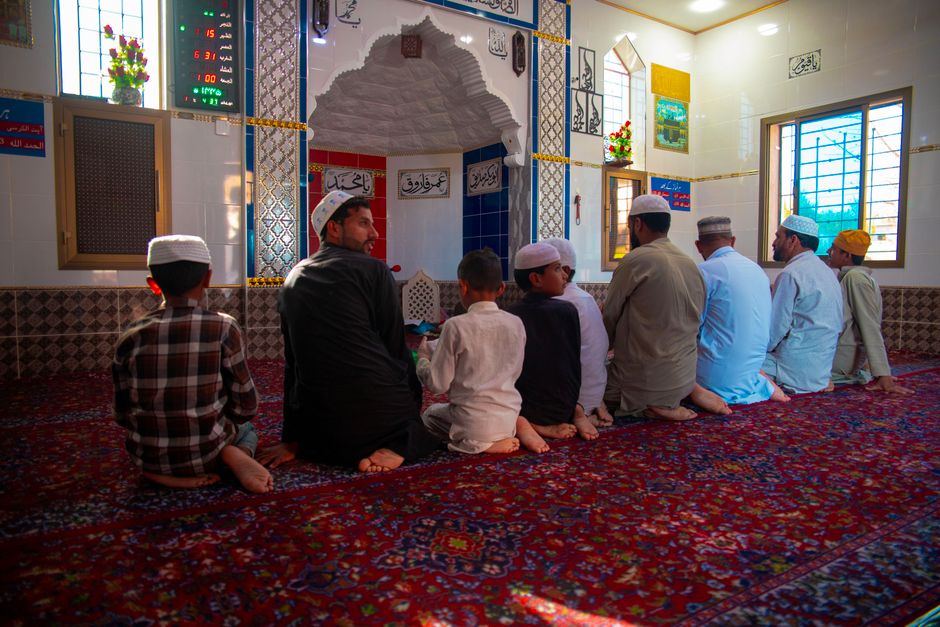
Imagine walking into a room filled with the comforting scent of tea and the soft murmur of familiar voices. For many Muslim women in New South Wales, the local mosque has always been a place of spiritual refuge—a spot for prayer, community, and peace. But lately, these sacred spaces are hosting a different kind of conversation. Between the rows of prayer mats and the shelves of holy texts, women are gathering to talk about something that was once whispered about in hushed tones: reproductive health.
It’s a significant shift. For a long time, topics like cervical screenings, menopause, and fertility were tucked away behind a curtain of modesty or cultural taboo. But things are changing. Across the state, Mosque workshops help Muslim women discuss reproductive health in NSW, creating a safe, culturally sensitive environment where health isn’t just a medical issue—it’s a community priority.
Why the Mosque is the Perfect Place for This Conversation
You might wonder, why a mosque? Why not just a GP clinic or a community center? The answer lies in trust. For many migrant and refugee communities in Western Sydney and beyond, the healthcare system can feel intimidating. There are language barriers, fears of being misunderstood, and the worry that their religious values won’t be respected.
When a health workshop is held inside a mosque, it carries a “seal of approval.” It tells the women that looking after their bodies is not just okay—it’s encouraged by their faith. By bringing doctors and health educators into these familiar settings, the barrier between “clinical medicine” and “daily life” begins to dissolve.
A Safe Space for “Sensitive” Topics
In many cultures, the concept of Haya (modesty) is deeply cherished. While modesty is a beautiful part of the faith, it can sometimes lead to women feeling shy about discussing reproductive issues with male doctors or even their own families. These workshops are usually “women-only” spaces, led by female health professionals who share the same cultural background. This creates an atmosphere where no question is too “embarrassing” to ask.
Real-World Impact: Mariam’s Story
To understand the power of these sessions, let’s look at Mariam, a 45-year-old mother of four living in Lakemba. For years, Mariam had been putting off her cervical screening. She knew it was important, but the idea of the procedure made her anxious, and she didn’t know how to explain her concerns to her busy GP.
One Saturday, her local mosque announced a health afternoon. There were no white coats or cold exam tables—just a circle of chairs and a female doctor who started the session by talking about the Islamic perspective on self-care. They discussed how the body is an Amanah (a trust from God) that must be looked after.
“I realized that taking ten minutes for a test wasn’t just about me,” Mariam said. “It was about being healthy for my children and honoring the life I’ve been given.” After the workshop, Mariam and three of her friends booked their appointments together. This is the ripple effect that happens when Mosque workshops help Muslim women discuss reproductive health in NSW.
The Topics That Matter Most
These workshops aren’t just a general chat; they dive into specific, often misunderstood areas of health. By tailoring the information to the needs of the community, educators can address the most pressing concerns.
- Cervical and Breast Cancer Screening: Breaking down the myths about these tests and explaining the new self-collection options for cervical screening, which has been a game-changer for many women.
- Menopause Management: Many women suffer through hot flashes and mood changes in silence. These sessions explain that menopause is a natural transition and that help is available.
- Fertility and IVF: Navigating the complex world of reproductive technology while staying within the guidelines of Islamic ethics.
- Postnatal Health: Discussing “the fourth trimester,” including mental health and physical recovery after giving birth.
- Contraception and Family Planning: Providing factual information in a way that respects individual family values.
The Role of NSW Health and Community Leaders
This isn’t just a grassroots movement; it’s a collaborative effort. Organizations like NSW Health and the Multicultural Health Communication Service have recognized that to reach people, you have to go where they are. They have partnered with community leaders and female religious scholars (Alimahs) to ensure the information provided is both medically accurate and religiously sound.
By involving religious leaders, the workshops address the “whole person.” When an Alimah stands next to a doctor and confirms that preventative health measures are in line with religious teachings, it removes a massive psychological weight from the women in the room. It bridges the gap between science and spirituality.
Overcoming Language Barriers
One of the biggest hurdles in NSW’s diverse landscape is language. Many of these workshops are conducted in Arabic, Urdu, Bengali, or Dari. Having a doctor who speaks your mother tongue means you can explain the nuance of a pain or a worry without it getting “lost in translation.” It builds a level of intimacy and understanding that a standard 10-minute GP consultation rarely provides.
Why This is a Win for the Whole of New South Wales
When we improve health outcomes for one community, the entire state benefits. By encouraging early detection and preventative care, we reduce the pressure on our emergency departments and hospitals. But more importantly, we create a more inclusive society where everyone feels seen and cared for.
The success of these programs in Sydney suburbs like Auburn, Bankstown, and Liverpool is a blueprint for other communities. It shows that when you treat people with cultural humility and meet them in their own spaces, they are more than willing to engage with their health.
Key Takeaways
- Trust is the Foundation: Mosques serve as trusted community hubs where women feel safe discussing private health matters.
- Cultural Sensitivity: Female-led, language-specific workshops remove the “shame” or “taboo” often associated with reproductive health.
- Faith and Health: Reframing health as a religious duty (caring for the body as a trust) encourages women to seek preventative care.
- Community Empowerment: Women who attend these workshops often become health advocates within their own families and social circles.
- Collaborative Success: Partnerships between NSW Health and religious organizations are essential for reaching multicultural communities.
Frequently Asked Questions
Are these workshops open to all Muslim women?
Yes, most workshops are designed to be inclusive of women of all ages and backgrounds within the community, from young women just starting their health journeys to seniors.
What if I’m too shy to ask a question in front of others?
The facilitators understand this. Most workshops include a “question box” where you can write down anonymous questions, or you can speak privately with the health professionals after the session ends.
Do these workshops provide medical treatments?
Generally, these are educational sessions. They provide information, answer questions, and help women navigate the healthcare system. They often provide resources on how to book appointments with culturally sensitive GPs or clinics.
How can I find a workshop near me in NSW?
The best way is to check with your local mosque’s community board, follow local Muslim community groups on social media, or check the NSW Health multicultural health pages for upcoming events.
Is the information religiously approved?
Yes. These programs are often developed in consultation with Islamic scholars to ensure that the medical advice is presented in a way that is respectful of Islamic values and ethics.
In the end, Mosque workshops help Muslim women discuss reproductive health in NSW because they recognize that health is not just about biology—it’s about heart, soul, and community. By opening these doors, we aren’t just sharing facts; we are saving lives and building a stronger, healthier future for everyone.
Written with love and assistance and refined for quality.
🔗 Related: She was out to change the…
🔗 Related: Union Health Ministry rolls out Delhi…
🔗 Related: Foundayo: Oral GLP-1 Demonstrated Up to…



Pingback: She Was Out to Change the World and She Said So: The Death of Feminist Leader Gloria Steinem Reminds Us of What Is at Stake
Pingback: The Silent Struggle: Why Pelvic Health Matters for Young Mothers in Mangaluru