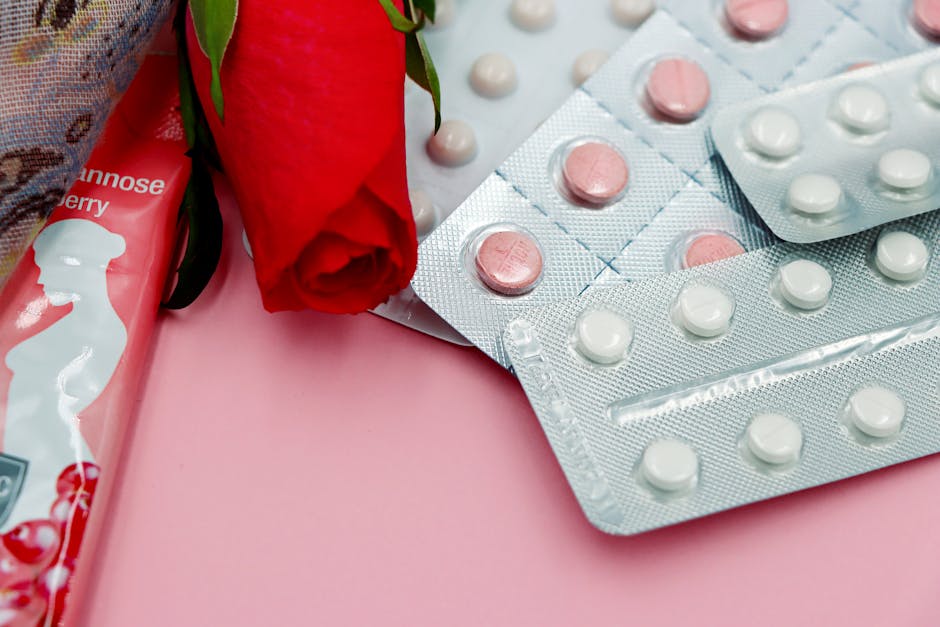
In this article, we’ll explore: Hormonal mechanisms of womens risk in the face of traumatic stress and why it matters today.
Related:
👉 Unpacking the Invisible Burden: Understanding the Hormonal Mechanisms of Women's Risk in the Face of Traumatic Stress
👉 Navigating the Tummy Troubles: 8 Foods To Avoid With an Upset Stomach and What To Eat Instead
👉 Unlocking the Womb's Welcome Mat: How PCOS Impacts Endometrial Receptivity, ER, and Histone Lactylation
Learn more: Hormonal mechanisms of womens risk in the face of traumatic stress on Wikipedia
Life throws curveballs. Sometimes, they hit us so hard they leave a lasting mark, what we call traumatic stress. It could be a car accident, a natural disaster, a personal loss, or an experience that shakes our sense of safety to its core. While everyone reacts differently to such events, you might have noticed a striking difference in how men and women often cope, or struggle, in the aftermath. It’s not just about what happens to us, but also what’s happening *inside* us – particularly the intricate dance of our hormones.
For years, research has shown that women are significantly more likely than men to develop Post-Traumatic Stress Disorder (PTSD) after experiencing trauma. We’re not talking about a small difference; studies often cite women being two to three times more likely. This isn’t a sign of weakness; it’s a testament to our unique biological blueprint. And at the heart of this blueprint lies a fascinating, powerful, and sometimes perplexing system: our hormones.
Understanding the **hormonal mechanisms of women’s risk in the face of traumatic stress** isn’t just academic; it’s a crucial step towards better support, more tailored treatments, and a deeper compassion for ourselves and the women in our lives. So, let’s pull back the curtain and explore this invisible but incredibly potent influence on our resilience and vulnerability.
The Unseen Battle: Why Women Experience Trauma Differently
Imagine two people, John and Sarah, both involved in the same serious car accident. They both experience the same terrifying moments, the same immediate shock. Yet, in the months that follow, Sarah finds herself plagued by intrusive thoughts, nightmares, and a constant sense of dread far more intensely and persistently than John. Why might this be?
While societal factors, types of trauma experienced, and reporting biases play a role, a significant part of the answer lies within our physiology. Women’s bodies are wired differently, and these differences extend to how we perceive, process, and recover from stress and trauma. Our hormonal landscape, ever-shifting and complex, plays a starring role in this drama.
A Symphony of Stress: Understanding Our Hormonal Landscape
Before we dive into the specifics of trauma, let’s briefly understand the key players in our hormonal orchestra.
The Usual Suspects: Cortisol and Adrenaline
When faced with danger, real or perceived, our bodies launch into “fight or flight” mode. This is thanks to our adrenal glands pumping out stress hormones like adrenaline (epinephrine) and cortisol. Adrenaline gives us that immediate burst of energy and heightened awareness, while cortisol helps manage longer-term stress, impacting everything from blood sugar to inflammation.
In a healthy stress response, these hormones surge and then return to baseline. But with chronic stress or trauma, this system can go haywire, leading to a state of constant alert, exhaustion, or dysregulation.
The Female Powerhouse: Estrogen and Progesterone
These are the stars of our show. Estrogen and progesterone are the primary female sex hormones, orchestrating everything from our menstrual cycles and reproductive health to bone density, brain function, and mood. Their levels fluctuate dramatically throughout the month, across our lifespan (puberty, pregnancy, perimenopause, menopause), and even day-to-day. And these fluctuations, as we’ll see, are critical to understanding trauma risk.
Estrogen’s Double-Edged Sword: Protection and Vulnerability
Estrogen is often seen as a wonderfully protective hormone. It’s known for its neuroprotective effects, meaning it can help shield brain cells from damage. It also plays a role in modulating our stress response, sometimes dampening the intensity of fear. In certain contexts, higher estrogen levels can actually make us *more* resilient.
However, here’s where it gets complicated. The *fluctuations* of estrogen, rather than just its presence, seem to be a key factor in how **hormonal mechanisms of women’s risk in the face of traumatic stress** play out.
Imagine Sarah again. She survived the car accident, but then found herself unusually irritable and tearful in the week leading up to her period. During this time, when estrogen levels are dipping, many women report heightened anxiety, mood swings, and general emotional sensitivity. This isn’t just “PMS”; it’s a window of increased vulnerability.
When estrogen levels are low, certain brain regions involved in fear processing (like the amygdala) can become more active, and the brain’s ability to regulate emotion (via the prefrontal cortex) might be less efficient. This means that during these low-estrogen phases, women might be more prone to developing PTSD symptoms, experiencing them more severely, or having a harder time recovering. It’s like trying to weather a storm with less protective gear.
Progesterone’s Role: The Calming (and Sometimes Confusing) Influence
Progesterone is often considered estrogen’s calming counterpart. It has anxiolytic (anxiety-reducing) properties and can promote feelings of relaxation and well-being. It does this by interacting with GABA receptors in the brain, which are the same receptors targeted by anti-anxiety medications like benzodiazepines.
So, when progesterone levels are high – for example, during the second half of the menstrual cycle (the luteal phase) or during pregnancy – women might feel a greater sense of calm. This could, in theory, offer a buffer against stress and trauma.
But just like estrogen, the *drop* in progesterone can be problematic. Think about the postpartum period. After childbirth, there’s a dramatic and sudden drop in progesterone. This abrupt withdrawal of a calming hormone, combined with other stressors, is thought to be a significant contributor to postpartum depression and anxiety, and potentially to a heightened vulnerability to trauma-related issues if a traumatic event occurs during this time. The protective shield is suddenly removed, leaving us more exposed.
The Brain-Body Connection: How Hormones Rewire Our Response
Our hormones aren’t just floating around in our bloodstream; they’re actively communicating with our brain. They influence the structure and function of key brain areas involved in processing fear, memory, and emotion:
* **Amygdala:** The brain’s “fear center.” Hormones can dial up or down its sensitivity.
* **Hippocampus:** Crucial for memory formation and retrieval. Trauma can shrink the hippocampus, and hormones can influence this process.
* **Prefrontal Cortex:** Responsible for executive functions, including emotional regulation and decision-making. Hormones can impact its ability to “talk down” the amygdala.
When these hormonal fluctuations meet the physiological changes induced by trauma, it can create a perfect storm. For example, a woman experiencing chronic stress and trauma during a low-estrogen phase might find her amygdala is in overdrive, her hippocampus struggles to properly store and retrieve memories (leading to fragmented flashbacks), and her prefrontal cortex has a harder time calming the alarm bells. This explains why symptoms like hypervigilance, intrusive thoughts, and emotional dysregulation can be so persistent and debilitating.
Beyond the Basics: Other Hormonal Players
While estrogen and progesterone are central, other hormones also play supporting roles in the **hormonal mechanisms of women’s risk in the face of traumatic stress**:
* **Oxytocin:** Often called the “love hormone,” oxytocin is released during social bonding. While it can reduce stress in some contexts, its role in trauma is complex. In women, it might promote “tend and befriend” responses, but in some cases, it can also heighten social anxiety or lead to withdrawal if social support is lacking or perceived as unsafe.
* **Thyroid Hormones:** The thyroid gland regulates metabolism, energy, and mood. Dysregulation of thyroid hormones (hypothyroidism or hyperthyroidism) can mimic or exacerbate symptoms of anxiety, depression, and stress, making recovery from trauma even harder.
Real-World Impact: When Hormones Meet Trauma
So, what does all this scientific jargon mean for real women living real lives?
It means that a woman who experiences a traumatic event might find her symptoms are more severe or harder to manage during certain times of her menstrual cycle. It means that the period around childbirth, already emotionally charged, can be a time of heightened vulnerability to developing PTSD if trauma occurs. It means that navigating perimenopause, with its wild hormonal swings, can make existing trauma symptoms resurface or intensify.
This understanding helps explain why women often report:
* Higher rates of PTSD following similar traumatic events compared to men.
* More intense emotional flashbacks and intrusive thoughts.
* Greater likelihood of developing co-occurring anxiety disorders, depression, or even autoimmune conditions.
It’s not about being “weak.” It’s about a beautifully complex system that, under immense pressure, can sometimes struggle to regain its balance.
What Can We Do? Navigating Our Hormonal Landscape
Understanding these **hormonal mechanisms of women’s risk in the face of traumatic stress** empowers us. It’s not about changing who we are, but about working with our bodies, not against them.
Here are some actionable steps and considerations:
* **Track Your Cycle:** Pay attention to how your mood, energy, and stress levels fluctuate throughout your menstrual cycle. This awareness can help you anticipate periods of heightened vulnerability and plan extra self-care.
* **Prioritize Stress Management:** Techniques like mindfulness, meditation, yoga, deep breathing, and regular exercise are crucial. They help regulate the nervous system and can mitigate the impact of hormonal fluctuations.
* **Seek Trauma-Informed Therapy:** Therapies specifically designed for trauma, such as EMDR (Eye Movement Desensitization and Reprocessing) or Cognitive Behavioral Therapy (CBT), can be incredibly effective. A therapist who understands the unique challenges women face, including hormonal influences, can provide more tailored support.
* **Consider Hormonal Health:** If you suspect hormonal imbalances are impacting your well-being after trauma, discuss it with a healthcare provider. This could involve checking thyroid function, discussing birth control options (which can stabilize hormones for some), or exploring other endocrine health considerations.
* **Nourish Your Body:** A balanced diet rich in whole foods, adequate sleep, and hydration are foundational to hormonal health and overall resilience.
* **Build a Strong Support System:** Connecting with others, whether friends, family, or support groups, can provide crucial emotional buffering and help regulate stress.
* **Advocate for Yourself:** Don’t hesitate to seek out healthcare professionals who listen to your experiences and understand the intricate interplay between hormones, trauma, and mental health.
Our bodies are magnificent, intricate machines. By understanding the profound influence of our hormones on how we experience and recover from traumatic stress, we can move towards a future where women receive more informed, compassionate, and effective care. It’s about recognizing our unique strengths and vulnerabilities, and empowering ourselves with knowledge.
Key Takeaways
- Women are significantly more likely than men to develop PTSD after trauma, partly due to hormonal factors.
- Estrogen and progesterone, the primary female sex hormones, play a critical role in modulating the stress response.
- Fluctuations in estrogen, particularly during low-estrogen phases of the menstrual cycle, can increase vulnerability to trauma symptoms.
- Drops in progesterone (e.g., postpartum) can remove a calming influence, potentially heightening anxiety and stress sensitivity.
- These hormones interact with key brain regions (amygdala, hippocampus, prefrontal cortex) involved in fear, memory, and emotional regulation.
- Understanding these hormonal mechanisms is vital for developing more effective and gender-sensitive approaches to trauma recovery.
FAQ Section
Q1: Does this mean women are “weaker” than men in the face of trauma?
Absolutely not. It means women are biologically *different*. Our bodies have unique strengths and vulnerabilities. Recognizing these differences allows for more targeted support, not a judgment of strength. It’s about understanding the specific challenges women face due to their hormonal landscape.
Q2: Can men also be affected by hormonal responses to trauma?
Yes, men’s hormones, particularly testosterone, also play a role in their stress response and vulnerability to trauma. However, the mechanisms and prevalence differ. For example, lower testosterone levels in men have been linked to increased anxiety and depressive symptoms following trauma.
Q3: What’s the most important thing I can do if I’ve experienced trauma and suspect hormones are playing a role?
The most important step is to seek professional help. Consult with a trauma-informed therapist or mental health professional. Additionally, speak with your doctor about any concerns regarding your hormonal health. They can help you explore options for managing both your trauma symptoms and any underlying hormonal imbalances.
Q4: Should I get my hormones tested if I’ve been through trauma?
It’s worth discussing with your doctor, especially if you experience significant mood swings, irregular periods, or other symptoms that suggest a hormonal imbalance. While a hormone test alone won’t diagnose PTSD, understanding your hormonal profile can be a valuable piece of the puzzle in developing a holistic treatment plan.
Written with love and assistance and refined for quality.
{“@context”:”https://schema.org”,”@type”:”Article”,”headline”:”Decoding the Inner Rhythms: How Hormones Shape Women’s Vulnerability to Traumatic Stress”,”description”:”In this article, weu2019ll explore: Hormonal mechanisms of womens risk in the face of traumatic stress and why it matters…”,”author”:{“@type”:”Person”,”name”:”rahuljait”},”datePublished”:”2026-05-10T17:16:00+00:00″,”dateModified”:”2026-05-10T17:16:00+00:00″,”mainEntityOfPage”:”https://healthyworldz.com/decoding-the-inner-rhythms-how-hormones-shape-womens-vulnerability-to-traumatic-stress/”,”image”:[“https://healthyworldz.com/wp-content/uploads/2026/05/hormonal-mechanisms-of-womens-risk-in-the-face-of-traumatic-stress-41.jpg”]}
🔗 Related: Hormonal mechanisms of womens risk in…
🔗 Related: Hormonal mechanisms of womens risk in…
🔗 Related: Hormonal mechanisms of womens risk in…