In this article, we’ll explore: 8 Foods To Avoid With an Upset Stomachand What To Eat Instead and why it matters today.
Related:
👉 Unlocking the Womb's Welcome Mat: How PCOS Impacts Endometrial Receptivity, ER, and Histone Lactylation
👉 Navigating the Queasy: 8 Foods To Avoid With an Upset Stomach and What To Eat Instead
👉 Unpacking the Gender Divide: How Hormones Shape Women's Vulnerability to Traumatic Stress
Learn more: 8 Foods To Avoid With an Upset Stomachand What To Eat Instead on Wikipedia
Ah, the dreaded upset stomach. We’ve all been there, haven’t we? That familiar rumble, the sudden wave of nausea, the uncomfortable bloating, or perhaps that urgent dash to the bathroom. It’s a truly miserable experience, turning even the simplest daily tasks into monumental challenges. When your stomach is protesting, the last thing you want to do is make things worse. And yet, in our desperation for comfort, we sometimes reach for foods that, unbeknownst to us, are actually fueling the fire of our digestive distress.
It’s like trying to put out a fire with gasoline – completely counterproductive! But here’s the good news: just as certain foods can exacerbate an upset stomach, others can be your best friends, offering soothing relief and helping your digestive system get back on track. Understanding the difference is key to a quicker recovery and a more comfortable experience.
As a professional blog writer and SEO expert, I know you’re looking for practical, actionable advice that cuts through the noise. So, let’s dive deep into the world of tummy-friendly eating. We’re going to explore the 8 Foods To Avoid With an Upset Stomach and What To Eat Instead, equipping you with the knowledge to make smart choices when your gut is feeling grumpy. Get ready to swap those tummy-aggravators for soothing saviors!
The Culprits: 8 Foods to Sidestep When Your Stomach is Souring
When your digestive system is already in turmoil, it’s like a delicate ecosystem under stress. Introducing certain foods can be akin to throwing a wrench into the already struggling machinery. Here are the top offenders you should avoid, and why they cause trouble:
1. Spicy Foods (Think Fiery Hot Peppers)
Ever felt that intense burning sensation after a particularly spicy meal, even when your stomach is perfectly fine? Now imagine that sensation when your stomach lining is already irritated. Spicy foods, rich in compounds like capsaicin, can act as direct irritants to your digestive tract. They can increase stomach acid production, leading to heartburn, nausea, and even diarrhea for some. It’s a direct assault on an already vulnerable system.
- What to Eat Instead: Opt for bland, comforting foods. Think plain boiled chicken, steamed carrots, or a simple bowl of rice. These provide nourishment without the fiery kick.
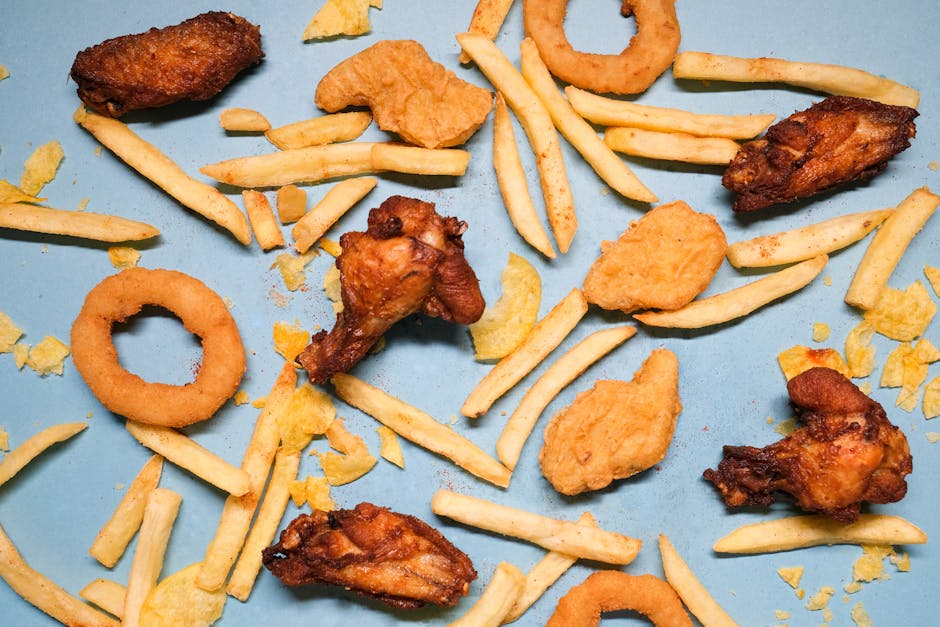
2. Fried and Greasy Foods (Say Goodbye to French Fries)
Oh, the allure of crispy fried chicken or a plate of greasy fries! Delicious, yes, but a definite no-go when your stomach is upset. Foods high in fat are notoriously difficult for your digestive system to break down. They sit in your stomach longer, leading to feelings of fullness, bloating, and often, nausea. The excess oil can also stimulate muscle contractions in your gut, potentially worsening diarrhea.
- What to Eat Instead: Choose lean proteins like baked or grilled chicken or fish. Steamed or boiled vegetables, like zucchini or green beans, are also excellent choices.
3. Dairy Products (Especially If You’re Lactose Intolerant)
While dairy can be a source of calcium and protein, it can be problematic for many with an upset stomach, particularly if you’re lactose intolerant. Lactose, the sugar found in milk and dairy products, requires a specific enzyme (lactase) to be digested. When your stomach is upset, your body might produce less lactase, leading to undigested lactose that ferments in your gut, causing gas, bloating, cramps, and diarrhea.
- What to Eat Instead: If you love your dairy, consider lactose-free milk or yogurt. Otherwise, plant-based alternatives like almond milk or rice milk can be good substitutes. Plain rice or bananas are also gentle options.
4. Acidic Foods (Citrus Fruits, Tomatoes, and Their Juices)
While a glass of orange juice might seem refreshing, highly acidic foods can irritate an already sensitive stomach lining. Citrus fruits (oranges, lemons, grapefruits), tomatoes, and products made from them (like tomato sauce or ketchup) can increase stomach acid, exacerbating heartburn, acid reflux, and general stomach discomfort. Imagine pouring lemon juice on a cut – that’s what it can feel like internally.
- What to Eat Instead: Stick to less acidic fruits like bananas, melon, or applesauce. For vegetables, cooked spinach or sweet potatoes are good choices.
5. Caffeinated Drinks (Coffee, Energy Drinks, and Some Teas)
Your morning coffee ritual might be a non-negotiable on a good day, but when your stomach is upset, it’s best to hit pause. Caffeine is a stimulant that can increase stomach acid production and also act as a laxative, speeding up bowel movements. This can worsen diarrhea and contribute to dehydration. Energy drinks are even worse, often loaded with sugar and other stimulants that can further irritate your gut.
- What to Eat Instead: Hydration is key! Sip on plain water, clear broths, or gentle herbal teas like ginger or peppermint. Ginger is particularly known for its anti-nausea properties.
6. Alcohol (Any Kind, Really)
This one might seem obvious, but it’s worth reiterating. Alcohol is a direct irritant to the stomach lining and can increase stomach acid. It also acts as a diuretic, leading to dehydration, which is the last thing you need when your body is trying to recover. Even a small amount can worsen symptoms like nausea, vomiting, and diarrhea.
- What to Eat Instead: Focus on rehydration with water, electrolyte drinks (like diluted sports drinks or oral rehydration solutions), and clear broths.
7. Processed Sugary Foods and Drinks (Sodas, Candy, Pastries)
While a sweet treat might offer momentary comfort, processed sugars can wreak havoc on an upset stomach. Large amounts of sugar can draw water into your intestines, leading to diarrhea. They can also feed “bad” bacteria in your gut, leading to increased gas and bloating. Sugary sodas, in particular, introduce carbonation, which adds to bloating and discomfort.
- What to Eat Instead: If you crave something sweet, opt for natural sugars from fruits like bananas or applesauce. Plain toast or rice cakes can also satisfy a craving without the sugar overload.
8. Raw Vegetables and High-Fiber Foods (Especially Cruciferous Ones)
Normally, fiber is fantastic for digestion. But when your stomach is upset, raw, high-fiber vegetables (especially cruciferous ones like broccoli, cabbage, and cauliflower) can be difficult to digest. Their complex structures require more work from your gut, potentially leading to increased gas, bloating, and discomfort. Think of it as asking your gut to run a marathon when it can barely walk.
- What to Eat Instead: Stick to cooked, soft vegetables like boiled carrots, mashed potatoes, or well-cooked squash. These are easier to break down and gentler on your system.
The Soothing Saviors: What to Eat Instead When Your Tummy is Troubled
Now that we’ve covered what to avoid, let’s talk about the good stuff – the foods that can help soothe your stomach and aid in recovery. The general rule of thumb is to stick to bland, easy-to-digest options that won’t overwork your digestive system.
- The BRAT Diet: This classic acronym stands for Bananas, Rice, Applesauce, and Toast. These foods are low in fiber, bland, and easy to digest, making them perfect for upset stomachs.
- Clear Broths: Chicken or vegetable broth can provide essential nutrients and electrolytes without being heavy.
- Ginger: Known for its anti-nausea properties, ginger tea or small pieces of candied ginger can be very soothing.
- Peppermint: Peppermint tea can help relax stomach muscles and ease cramping.
- Plain Crackers: Saltine crackers can help absorb excess stomach acid and settle nausea.
- Cooked Lean Proteins: Boiled or baked chicken or fish can provide necessary protein without added fats.
- Water: Staying hydrated is paramount, especially if you’ve been experiencing vomiting or diarrhea.
Key Takeaways for a Happy Tummy
- Listen to Your Body: Everyone is different. Pay attention to how certain foods make you feel.
- Start Bland: When in doubt, opt for bland, easy-to-digest foods that are low in fat, sugar, and spice.
- Hydrate, Hydrate, Hydrate: Water, clear broths, and electrolyte solutions are your best friends.
- Small, Frequent Meals: Instead of three large meals, try eating smaller portions more often to avoid overloading your digestive system.
- Cooked is Better: For vegetables, cooked and soft is generally easier to digest than raw.
Frequently Asked Questions About Eating with an Upset Stomach
Q1: How long should I stick to a bland diet after an upset stomach?
A: Generally, it’s a good idea to stick to bland foods for at least 24-48 hours after your symptoms improve. Gradually reintroduce other foods, starting with small portions, to see how your body reacts. If you rush back to your regular diet too quickly, you might trigger a relapse.
Q2: Can I still drink coffee if I have an upset stomach, but only a small amount?
A: It’s best to avoid coffee entirely when your stomach is upset. Even a small amount of caffeine can stimulate stomach acid production and bowel movements, potentially worsening your symptoms. Opt for decaffeinated herbal teas like ginger or peppermint instead, which can actually help soothe your stomach.
Q3: Are probiotics helpful when I have an upset stomach?
A: Probiotics can sometimes be helpful, especially if your upset stomach is due to an imbalance in gut bacteria (like after taking antibiotics). However, it’s best to consult with a doctor or pharmacist before taking them, as not all probiotics are created equal, and some might not be suitable depending on the specific cause of your upset stomach. If you do try them, start with a mild, reputable brand.
Q4: What if I have no appetite at all? Should I force myself to eat?
A: If you have no appetite, don’t force yourself to eat solid foods. The most important thing is to stay hydrated. Sip on water, clear broths, or electrolyte solutions. Once you feel a slight return of appetite, start with very small amounts of bland foods like plain crackers or a banana. Listen to your body – it will tell you when it’s ready for food.
Bringing Comfort Back to Your Gut
Dealing with an upset stomach is never fun, but making informed food choices can significantly impact your recovery and comfort. By understanding which foods to avoid with an upset stomach and what to eat instead, you’re empowering yourself to heal faster and feel better sooner. Remember, your digestive system is a complex and sensitive part of your body. Treat it with care, especially when it’s feeling vulnerable.
So, the next time your tummy starts to rumble, skip the spicy takeout and the greasy fries. Reach for that soothing ginger tea, a plain banana, or a bowl of comforting rice. Your gut will thank you for it, and you’ll be back to feeling your vibrant self in no time. If your symptoms persist or worsen, always remember to consult a healthcare professional. Here’s to a happier, healthier gut!
Written with love and assistance and refined for quality.
{“@context”:”https://schema.org”,”@type”:”Article”,”headline”:”Navigating the Tummy Troubles: 8 Foods To Avoid With an Upset Stomach and What To Eat Instead”,”description”:”In this article, weu2019ll explore: 8 Foods To Avoid With an Upset Stomachand What To Eat Instead and why it…”,”author”:{“@type”:”Person”,”name”:”rahuljait”},”datePublished”:”2026-05-10T14:35:57+00:00″,”dateModified”:”2026-05-10T14:35:57+00:00″,”mainEntityOfPage”:”https://healthyworldz.com/navigating-the-tummy-troubles-8-foods-to-avoid-with-an-upset-stomach-and-what-to-eat-instead-4/”,”image”:[“https://healthyworldz.com/wp-content/uploads/2026/05/8-foods-to-avoid-with-an-upset-stomachand-what-to-eat-instead-18.jpg”]}
🔗 Related: Hormonal mechanisms of womens risk in…
🔗 Related: Hormonal mechanisms of womens risk in…
🔗 Related: Hormonal mechanisms of womens risk in…