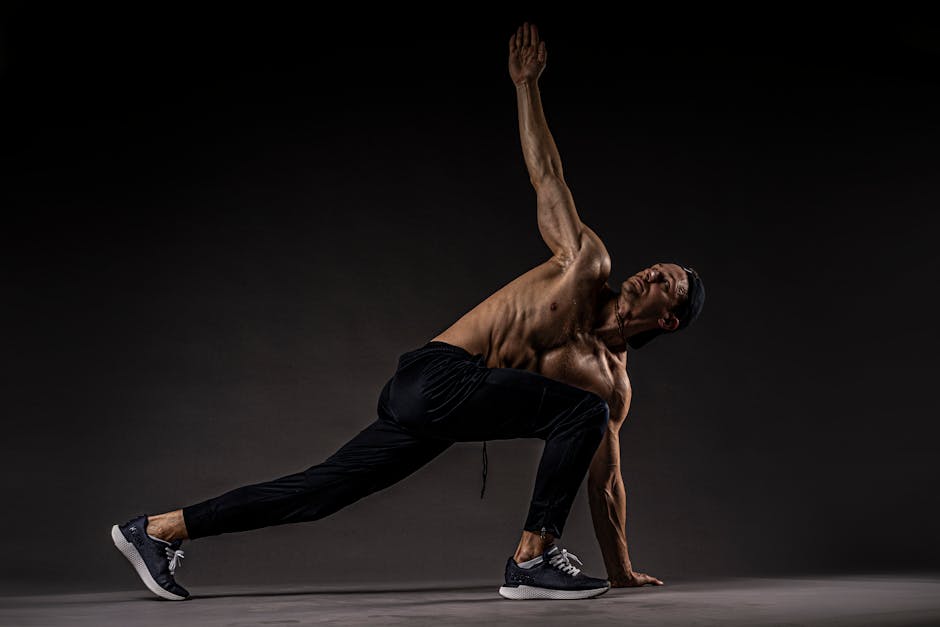
In this article, we’ll explore: fitness and why it matters today.
Related:
👉 fitness (2026) – Full Breakdown
👉 stress (2026) – Explained
👉 pcod (2026) – Explained
Learn more: fitness on Wikipedia
Beyond the Bench Press: Redefining Fitness for a Fulfilling Life
The word “fitness” often conjures up images of sculpted bodies, grueling gym sessions, and perhaps a touch of intimidation. For many, it feels like an exclusive club, reserved for the already athletic, the perpetually motivated, or those with endless free time. But what if I told you that this perception is just one small piece of a much larger, more beautiful puzzle? What if true fitness isn’t about chasing an unrealistic ideal, but about embracing a journey of self-care, strength, and vitality that fits *your* life?
As someone who’s navigated the ups and downs of my own relationship with movement and health, I’ve learned that fitness is far more profound than just looking good in a swimsuit. It’s about feeling good, living fully, and having the energy to chase your dreams, big or small. It’s about being able to play with your kids without getting winded, tackling a challenging hike, or simply having the mental clarity to power through a busy day. In this post, we’re going to strip away the myths, break down the barriers, and explore what a truly holistic and human approach to fitness looks like. Get ready to redefine what “fit” means for you.
What Does “Fitness” Really Mean, Anyway?
Let’s be honest, for a long time, my idea of fitness was pretty narrow. It was about how much I could lift, how fast I could run, or what the number on the scale said. This kind of thinking, while common, often leads to burnout, frustration, and a feeling of never being “enough.”
More Than Just Muscles and Scales
The truth is, genuine fitness encompasses so much more than just physical strength or a particular body fat percentage. It’s a multi-faceted diamond with many brilliant facets:
* **Physical Fitness:** Yes, this is part of it – cardiovascular health, muscular strength, flexibility, balance, and endurance. It’s about your body’s ability to perform daily tasks and more.
* **Mental Fitness:** This is often overlooked! Exercise is a powerful tool for stress reduction, mood elevation, and cognitive function. It helps clear your head and sharpen your focus.
* **Emotional Fitness:** How does movement make you *feel*? Does it empower you, relieve anxiety, or give you a sense of accomplishment? Fitness can be a huge boost to self-esteem and emotional resilience.
* **Nutritional Fitness:** Fueling your body with wholesome, nourishing foods is inextricably linked to how well it performs and recovers.
* **Rest and Recovery:** Just as crucial as activity, giving your body time to repair and rejuvenate is vital for sustained health and progress.
I remember a time when I was obsessively tracking every calorie and every minute on the treadmill, convinced that more was always better. I was physically exhausted, mentally drained, and ironically, felt less “fit” than ever. It was only when I started listening to my body, prioritizing sleep, and finding activities I genuinely enjoyed that I began to understand the true depth of what fitness could offer.
The Power of Feeling Good
Think about it: what’s the point of having a “perfect” body if you’re too tired to enjoy it? The real power of fitness lies in how it makes you feel, day in and day out. It’s the feeling of:
* Waking up with energy, ready to tackle the day.
* Being able to spontaneously join your kids in a game of tag without feeling winded.
* Carrying groceries effortlessly, or tackling that DIY project around the house.
* Having a clear head after a brisk walk, ready to solve a problem at work.
* The sheer joy of moving your body in a way that feels good, whether it’s dancing in your living room or cycling through a scenic park.
This feeling of vitality, capability, and inner strength is the ultimate reward of a consistent and balanced approach to fitness.
Your Personal Fitness Blueprint: No One-Size-Fits-All
One of the biggest mistakes people make is trying to copy someone else’s fitness routine. What works for a professional athlete or a social media influencer might be completely unsustainable, or even detrimental, for you. Your fitness journey is uniquely yours.
Finding Your Why
Before you even think about what exercises to do, ask yourself: *Why* do I want to be fit? Your “why” is your fuel, your motivation, especially on days when getting started feels like climbing Everest.
* Is it to keep up with your grandkids?
* To reduce stress and manage anxiety?
* To train for a specific event, like a charity run or a hiking trip?
* To improve your overall health and longevity?
* To have more energy for your hobbies and passions?
* To simply feel more confident and comfortable in your own skin?
My “why” evolved over time. Initially, it was about aesthetics. Now, it’s about mental clarity, managing chronic pain, and having the stamina to enjoy long walks with my dog and explore new places. When your “why” is deeply personal and meaningful, it transforms fitness from a chore into a powerful act of self-love.
It’s About Movement, Not Just “Working Out”
Let’s ditch the intimidating term “working out” for a moment and replace it with “movement.” Our bodies are designed to move, not to sit for hours on end. And movement doesn’t always require a gym membership or fancy equipment.
Here are some simple ways to weave more movement into your daily life:
* **Walk More:** Take the stairs instead of the elevator, park further away, take a brisk walk during your lunch break, or go for an evening stroll.
* **Embrace Everyday Activities:** Gardening, cleaning the house vigorously, playing with pets or children – these all count!
* **Find Your Joy:** What kind of movement genuinely excites you? Dancing, cycling, swimming, hiking, yoga, martial arts, team sports? When it’s fun, it doesn’t feel like a task.
* **Short Bursts:** Even 10-minute activity breaks throughout the day can add up and make a significant difference.
Remember Sarah, a friend of mine who hated the gym? She found her fitness groove by joining a local hiking club. Not only did she get incredible physical activity, but she also discovered a supportive community and a newfound love for nature. Her “workout” became an adventure.
Nourish Your Body, Fuel Your Journey
You can’t out-exercise a poor diet. What you put into your body directly impacts your energy levels, recovery, and overall health. This doesn’t mean strict diets or deprivation. It means focusing on:
* **Whole, Unprocessed Foods:** Fruits, vegetables, lean proteins, whole grains, and healthy fats.
* **Hydration:** Water is essential for every bodily function. Carry a water bottle and sip throughout the day.
* **Mindful Eating:** Pay attention to your body’s hunger and fullness cues. Enjoy your meals without distraction.
Think of food as fuel for your amazing body, giving it the nutrients it needs to perform at its best and keep you feeling vibrant.
The Unseen Benefits: Beyond Physical Gains
While the physical changes that come with fitness are often the most visible, some of the most profound benefits are the ones you can’t see in a mirror.
Sharpen Your Mind, Lift Your Spirits
The connection between physical activity and mental well-being is undeniable. When you move your body, your brain releases endorphins – natural mood elevators that can reduce stress, alleviate symptoms of anxiety and depression, and even improve your cognitive function.
I can personally attest to this. During a particularly stressful period in my life, a daily 30-minute walk became my sanctuary. It wasn’t just about moving my legs; it was about moving through my thoughts, processing emotions, and returning with a clearer perspective. That simple act of fitness was a lifeline for my mental health. Regular exercise has also been linked to improved memory, better problem-solving skills, and enhanced creativity. It’s like giving your brain a much-needed tune-up!
Better Sleep, Brighter Days
Struggling to get a good night’s sleep? Regular physical activity, especially moderate-intensity exercise, can significantly improve sleep quality. It helps you fall asleep faster, sleep more deeply, and wake up feeling more refreshed. Just be mindful not to engage in intense exercise too close to bedtime, as it can sometimes have the opposite effect. When you sleep better, you have more energy, better mood regulation, and improved overall health – a fantastic ripple effect of your fitness efforts.
Building Resilience and Confidence
Every time you push past a perceived limit, learn a new movement, or simply show up for yourself when you don’t feel like it, you’re building resilience. The challenges you overcome in your fitness journey translate directly into your ability to handle life’s other obstacles. And with each small victory, your confidence grows. You start to trust your body, believe in your capabilities, and realize you’re stronger than you thought – both physically and mentally. This newfound self-belief can positively impact every area of your life.
Making Fitness a Lifestyle, Not a Chore
The secret to sustainable fitness isn’t about grand gestures; it’s about small, consistent actions that become integrated into your daily routine.
Start Small, Stay Consistent
Don’t try to go from zero to marathon runner overnight. That’s a recipe for injury and burnout. Instead, start with incredibly small, achievable goals.
* Aim for a 10-minute walk every day for a week.
* Do 5 minutes of stretching in the morning.
* Add two extra sets of stairs to your daily routine.
Once that feels easy, gradually increase. Consistency is far more powerful than intensity when it comes to long-term success. It builds momentum and transforms activities into habits.
Listen to Your Body
Your body is constantly sending you signals. Learn to listen to them. Are you feeling tired? Maybe you need a rest day or a lighter workout. Is something hurting? Don’t push through pain; modify or consult a professional. Comparing yourself to others, or pushing yourself to extremes, can lead to injury and frustration. Honor your body’s unique needs and limitations. Rest is not a weakness; it’s an essential part of the fitness equation.
Find Your Tribe (or Just Your Groove)
For some, the social aspect of fitness is a huge motivator. Joining a group class, a sports team, or finding a workout buddy can provide accountability and make exercise more enjoyable. For others, fitness is a solo journey – a time for quiet reflection or intense focus. There’s no right or wrong way. The key is to find activities and environments that resonate with you, whether it’s the camaraderie of a spin class or the solitude of a morning run.
Key Takeaways
* **Fitness is Holistic:** It’s not just about physical appearance but encompasses mental, emotional, and nutritional well-being, alongside adequate rest.
* **It’s Personal:** Your fitness journey is unique to you. Find your “why” and choose activities you genuinely enjoy.
* **Movement is Key:** Integrate more movement into your daily life, even in small bursts. It doesn’t always have to be a formal “workout.”
* **Nourish Your Body:** Fuel yourself with whole foods and stay hydrated to support your energy and recovery.
* **Benefits Beyond the Physical:** Fitness profoundly impacts mental clarity, mood, sleep quality, resilience, and confidence.
* **Start Small, Be Consistent:** Gradual, consistent effort leads to sustainable habits and long-term success. Listen to your body and prioritize rest.
FAQ Section
Q1: How much exercise do I really need?
A: The general recommendation for adults is at least 150 minutes of moderate-intensity aerobic activity (like brisk walking) or 75 minutes of vigorous-intensity activity (like running) per week, plus muscle-strengthening activities at least two days a week. However, any amount of movement is better than none! Start where you are and gradually increase.
Q2: Is it too late to start my fitness journey?
A: Absolutely not! It’s never too late to begin prioritizing your health and well-being. Many people start their fitness journey later in life and experience incredible benefits. Consult with a doctor before starting any new routine, especially if you have underlying health conditions.
Q3: What’s the most important thing for fitness?
A: Consistency. Showing up regularly, even for short periods, is more effective than sporadic, intense workouts. Find activities you enjoy so you’re more likely to stick with them.
Q4: How do I stay motivated?
A: Find your “why” – your personal reason for wanting to be fit. Set realistic, achievable goals. Track your progress (not just weight, but energy levels, strength, mood). Find activities you enjoy. Celebrate small victories. And don’t be afraid to take rest days or switch up your routine when you feel bored or burnt out.
Embrace Your Journey
True fitness isn’t a destination; it’s an ongoing journey of self-discovery, self-care, and continuous improvement. It’s about building a strong, resilient body and mind that can support you in living the life you truly desire. So, let go of the pressure to conform to someone else’s ideal, and instead, embrace your own unique path. Start small, listen to your body, find what brings you joy, and celebrate every step of the way. Your journey to a healthier, happier you begins now.
Written with love and assistance and refined for quality.
{“@context”:”https://schema.org”,”@type”:”Article”,”headline”:”fitness (2026) – Latest Update”,”description”:”In this article, weu2019ll explore: fitness and why it matters today.Related:ud83dudc49 fitness (2026) – Full Breakdownud83dudc49 stress (2026) – Explainedud83dudc49…”,”author”:{“@type”:”Person”,”name”:”rahuljait”},”datePublished”:”2026-05-07T17:56:59+00:00″,”dateModified”:”2026-05-07T17:56:59+00:00″,”mainEntityOfPage”:”https://healthyworldz.com/fitness-2026-latest-update/”,”image”:[“https://healthyworldz.com/wp-content/uploads/2026/05/fitness-2.jpg”]}
🔗 Related: fitness
🔗 Related: querystatsExplore
🔗 Related: querystatsExplore
🔗 Related: wellness