In this article, we’ll explore: 8 Foods To Avoid With an Upset Stomachand What To Eat Instead and why it matters today.
Related:
👉 Decoding PCOS & Fertility: Why Women with Polycystic Ovary Syndrome Exhibit Impaired Endometrial Receptivity with Excessive ER and Histone Lactylation
👉 Unlocking the Womb's Welcome Mat: How PCOS Can Affect Your Uterus and What "Excessive ER and Histone Lactylation" Means for Fertility
👉 The Belly Whisperer's Guide: 8 Foods To Avoid With an Upset Stomach and What To Eat Instead for Gentle Healing
Learn more: 8 Foods To Avoid With an Upset Stomachand What To Eat Instead on Wikipedia
We’ve all been there. That familiar, unwelcome rumble in your tummy, the queasy feeling, the sudden urge to curl up in a ball and wish the world away. An upset stomach isn’t just uncomfortable; it can truly derail your day, making even simple tasks feel like monumental challenges. Whether it’s from a dodgy meal, stress, or a pesky virus, your gut is sending out an SOS, and what you put into it next can either be a soothing balm or add fuel to the fiery discomfort.
It’s tempting to just grab whatever’s easy, but when your stomach is staging a rebellion, food becomes more than just sustenance – it’s medicine (or poison!). Knowing what to steer clear of and what to embrace can make all the difference in your recovery time and overall comfort. So, let’s dive deep into the world of tummy troubles and discover the **8 foods to avoid with an upset stomach and what to eat instead**, helping you get back to feeling like yourself, sooner rather than later.
The “No-Go” List: Foods That Worsen Upset Stomachs
When your digestive system is already working overtime, struggling to process things, the last thing it needs is a challenging meal. Think of it like trying to run a marathon with a sprained ankle – you wouldn’t push it, right? The same goes for your stomach. Here are the culprits that often make a bad situation much, much worse.
1. Spicy Foods: The Fiery Foe
Oh, how we love our hot sauces, our curries, our chili-infused delights! But when your stomach is already feeling tender, spicy foods are like pouring gasoline on a flame. Capsaicin, the compound that gives peppers their heat, can irritate the stomach lining, increase acid production, and often lead to heartburn, indigestion, or even diarrhea, especially if your gut is already inflamed.
**Why it’s bad:** Capsaicin is an irritant, stimulating nerve endings in the digestive tract.
**What to eat instead:** Opt for bland, comforting flavors. Think a simple, plain baked potato, some boiled white rice, or even a piece of plain, unseasoned toast. For a little flavor, try mild herbs like basil or oregano, but skip the cayenne for now.
2. Fried and Fatty Foods: The Slow-Digestion Saboteurs
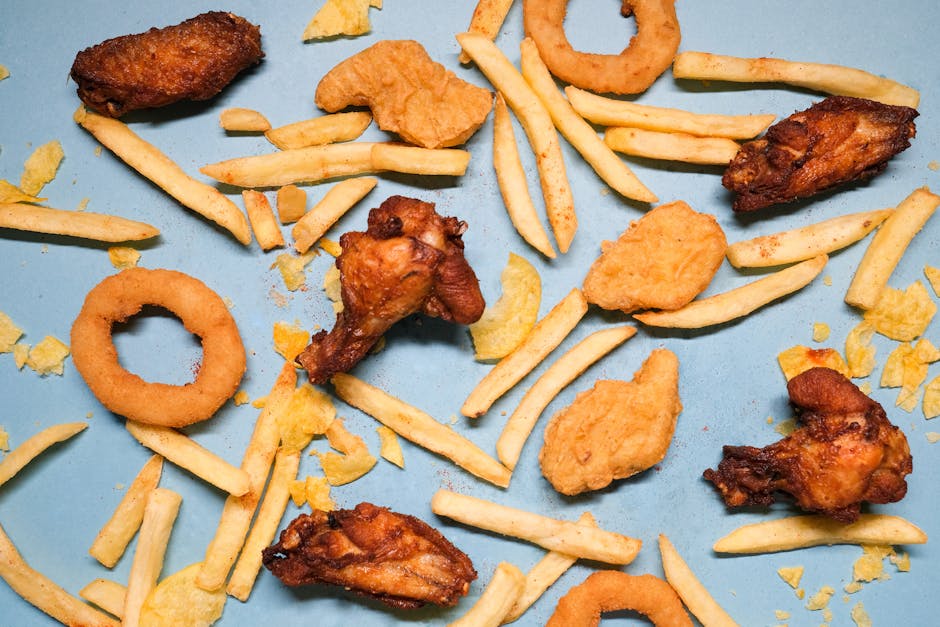
That greasy burger, those crispy fries, or that rich, creamy pasta might look tempting, but they are a nightmare for an upset stomach. Foods high in fat take a long time to digest, forcing your digestive system to work harder. This prolonged digestion can lead to nausea, heartburn, bloating, and even abdominal pain. When your stomach is upset, its ability to break down fats is significantly reduced.
**Why it’s bad:** High fat content slows gastric emptying and can trigger bile release, which can be irritating.
**What to eat instead:** Lean protein sources that are easy to digest, like skinless baked chicken breast, steamed fish, or a simple hard-boiled egg. Preparation is key here – no frying, just gentle cooking.
3. Dairy Products: The Lactose Labyrinth
For many people, even those who don’t consider themselves lactose intolerant, dairy can be problematic when the stomach is upset. The enzyme lactase, which breaks down lactose (the sugar in milk), can be temporarily depleted during illness. This means dairy products can lead to bloating, gas, cramping, and diarrhea. A glass of milk or a bowl of ice cream might seem comforting, but it could backfire spectacularly.
**Why it’s bad:** Lactose can be difficult to digest, especially when the gut is compromised.
**What to eat instead:** If you usually consume dairy, try lactose-free alternatives like almond milk or oat milk. Small amounts of plain, unsweetened yogurt with live cultures might be tolerated by some, as the cultures help break down lactose, but proceed with caution. Otherwise, stick to water or herbal teas.
4. Highly Acidic Foods (Citrus, Tomatoes): The Acid Attack
Oranges, grapefruits, lemons, limes, and even tomatoes (especially in sauces) are packed with vitamins and usually great for you. However, their high acidity can exacerbate heartburn, acid reflux, and general stomach irritation when your gut is already sensitive. Imagine splashing lemon juice on a cut – not pleasant, right? Your stomach lining can feel similarly.
**Why it’s bad:** High acidity can irritate an already sensitive stomach lining and increase acid reflux symptoms.
**What to eat instead:** Reach for low-acid fruits like bananas, ripe melons (cantaloupe, honeydew), or applesauce. These are gentle on the stomach and provide valuable nutrients.
5. Caffeinated Drinks and Alcohol: The Irritant Double Whammy
That morning coffee might be your usual ritual, but when your stomach is upset, both caffeine and alcohol are major no-nos. Caffeine is a stimulant that can increase stomach acid production and act as a diuretic, potentially leading to dehydration. Alcohol, on the other hand, directly irritates the stomach lining and can also contribute to dehydration. Both can worsen nausea and vomiting.
**Why it’s bad:** Both are irritants that can increase stomach acid, promote dehydration, and disrupt normal digestive function.
**What to eat instead:** Water, water, water! Staying hydrated is crucial. Herbal teas like peppermint (known for soothing properties) or chamomile (calming) are excellent choices. Clear broths are also fantastic for hydration and electrolytes.
6. Raw, High-Fiber Vegetables: The Roughage Rumble
While fiber is usually a friend to digestion, an upset stomach might not be ready for a raw vegetable platter or a big bowl of broccoli. Raw vegetables, especially cruciferous ones like broccoli, cauliflower, and cabbage, contain complex fibers that are harder to digest and can produce a lot of gas and bloating. Even healthy salads can be too much when your gut is vulnerable.
**Why it’s bad:** Complex fibers can be difficult to break down, leading to increased gas and bloating in a sensitive gut.
**What to eat instead:** Cooked, soft vegetables are a much better choice. Think well-cooked carrots, spinach, green beans, or zucchini. Steaming or boiling them until very tender makes them easier for your system to handle.
7. Processed Foods and Artificial Sweeteners: The Gut Disruptors
Packaged snacks, sugary cereals, and diet sodas often contain a cocktail of artificial sweeteners, preservatives, and unhealthy fats. These ingredients are tough for your body to process at the best of times, let alone when your stomach is already compromised. Artificial sweeteners like aspartame or sucralose can even cause diarrhea and bloating in some individuals by disrupting gut bacteria.
**Why it’s bad:** Difficult-to-digest ingredients, artificial additives, and unhealthy fats can further upset the delicate balance of your gut.
**What to eat instead:** Stick to whole, unprocessed foods. If you need a snack, a plain banana, a piece of white toast with a thin layer of jam (not high-fructose corn syrup), or some plain rice cakes are much safer bets.
8. Carbonated Drinks: The Fizzy Bloaters
A glass of soda or sparkling water might seem refreshing, but the bubbles are a recipe for disaster when your stomach is upset. The carbonation introduces gas into your digestive system, leading to bloating, burping, and discomfort. If you’re already feeling nauseous, the added pressure from gas can make things much worse.
**Why it’s bad:** Carbonation introduces gas into the stomach, causing bloating and pressure.
**What to eat instead:** Flat water is always the best choice. If you want a little flavor, try diluting a small amount of natural fruit juice (like apple or grape) with water. Ginger ale (flat, not sparkling) is sometimes recommended, but be sure it’s real ginger and not just artificial flavoring.
So, What *Can* You Eat When Your Tummy’s Grumbling?
Now that we know what to avoid, let’s talk about the gentle heroes that can help soothe your stomach and aid recovery. The general rule of thumb is “bland is best.”
* **The BRAT Diet:** This classic stands for Bananas, Rice (white), Applesauce, and Toast (white). These foods are low in fiber, easy to digest, and can help bind loose stools.
* **Ginger:** Known for its anti-nausea properties, ginger can be consumed as tea (fresh ginger steeped in hot water), ginger ale (flat and real ginger), or even small pieces of candied ginger.
* **Clear Broths:** Chicken or vegetable broth provides essential electrolytes and hydration without irritating the stomach.
* **Boiled Potatoes:** Plain, boiled, or baked potatoes (skin removed) are a good source of energy and easy on the digestive system.
* **Oatmeal:** Plain, cooked oatmeal (made with water, not milk) is a soothing source of soluble fiber.
* **Herbal Teas:** Peppermint, chamomile, and ginger tea are excellent for calming an upset stomach.
Remember, start with small portions and listen to your body. If something doesn’t feel right, stop.
Key Takeaways for a Happy Tummy
* **Bland is Your Friend:** When your stomach is upset, prioritize foods that are easy to digest and won’t irritate your gut.
* **Hydration is Crucial:** Water and clear liquids are essential to prevent dehydration, especially if you’re experiencing vomiting or diarrhea.
* **Listen to Your Body:** Everyone is different. Pay attention to how certain foods make you feel and adjust your diet accordingly.
* **Small, Frequent Meals:** Instead of large meals, opt for smaller, more frequent portions to avoid overwhelming your digestive system.
* **Patience is a Virtue:** Don’t rush back to your usual diet. Gradually reintroduce foods as your stomach recovers.
Frequently Asked Questions About Upset Stomachs and Food
Q1: How long should I follow a bland diet after an upset stomach?
Generally, it’s recommended to stick to a bland diet for 24-48 hours after your symptoms subside. Then, gradually reintroduce your regular foods, one at a time, to see how you tolerate them. If symptoms return, go back to the bland diet for a bit longer.
Q2: When should I see a doctor for an upset stomach?
While most upset stomachs resolve on their own, you should seek medical attention if you experience severe abdominal pain, high fever, bloody or black stools, persistent vomiting (especially if you can’t keep liquids down), signs of dehydration, or if symptoms last for more than a few days.
Q3: Are probiotics helpful for an upset stomach?
Probiotics, which are beneficial bacteria, can sometimes help restore the balance of gut flora, especially after an illness or antibiotic use. However, it’s best to consult with a healthcare professional before taking supplements, as not all probiotics are created equal, and some might not be suitable during acute illness.
Q4: Can stress cause an upset stomach?
Absolutely! The gut-brain axis is a powerful connection. Stress and anxiety can significantly impact digestive function, leading to symptoms like nausea, indigestion, diarrhea, or constipation. Managing stress through relaxation techniques can be a vital part of soothing an upset stomach.
Bringing It All Together
An upset stomach is never fun, but by making conscious choices about what you eat, you can significantly ease your discomfort and speed up your recovery. Remembering the **8 foods to avoid with an upset stomach and what to eat instead** isn’t just about temporary relief; it’s about nurturing your digestive system back to health. So, next time your tummy starts to grumble, empower yourself with these food insights and give your gut the gentle care it deserves. Your stomach will thank you for it!
Written with love and assistance and refined for quality.
{“@context”:”https://schema.org”,”@type”:”Article”,”headline”:”Navigating the Nasty: 8 Foods To Avoid With an Upset Stomach and What To Eat Instead”,”description”:”In this article, weu2019ll explore: 8 Foods To Avoid With an Upset Stomachand What To Eat Instead and why it…”,”author”:{“@type”:”Person”,”name”:”rahuljait”},”datePublished”:”2026-05-11T12:40:09+00:00″,”dateModified”:”2026-05-11T12:40:09+00:00″,”mainEntityOfPage”:”https://healthyworldz.com/navigating-the-nasty-8-foods-to-avoid-with-an-upset-stomach-and-what-to-eat-instead/”,”image”:[“https://healthyworldz.com/wp-content/uploads/2026/05/8-foods-to-avoid-with-an-upset-stomachand-what-to-eat-instead-23.jpg”]}
🔗 Related: Women with polycystic ovary syndrome exhibit…
🔗 Related: Hormonal mechanisms of womens risk in…
🔗 Related: 8 Foods To Avoid With an…