In this article, we’ll explore: 8 Foods To Avoid With an Upset Stomachand What To Eat Instead and why it matters today.
Related:
👉 Unlocking the Fertility Puzzle: How Polycystic Ovary Syndrome Impairs Endometrial Receptivity with Excessive ER and Histone Lactylation
👉 Tummy Troubles? Here are the 8 Foods To Avoid With an Upset Stomach and What To Eat Instead for Quick Relief!
👉 The Inner Dance: Unpacking the Hormonal Mechanisms of Women's Risk in the Face of Traumatic Stress
Learn more: 8 Foods To Avoid With an Upset Stomachand What To Eat Instead on Wikipedia
Ever woken up with that familiar gurgle, that uneasy feeling in your gut, or the sudden urge to make friends with the porcelain throne? We’ve all been there. An upset stomach isn’t just uncomfortable; it can throw a wrench into your entire day, making simple tasks feel monumental. When your tummy is doing a turbulent tango, the last thing you want to do is fuel the fire with the wrong foods. In fact, what you choose to put into your body can either soothe the storm or send it into a full-blown hurricane.
It’s a common misconception that you should just “tough it out” or starve yourself when your stomach is rebelling. While sometimes a short break from eating can help, often, the right kind of nourishment is exactly what your body needs to recover. But how do you know what’s “right” and what’s “wrong”? That’s exactly what we’re going to dive into today. We’ll explore the **8 foods to avoid with an upset stomach and what to eat instead**, arming you with the knowledge to make wise choices and get back to feeling like yourself again, sooner rather than later.
—
Foods That Fuel the Fire: 8 Culprits to Avoid
When your digestive system is already feeling sensitive, certain foods can act like an irritant, making symptoms worse. Think of your stomach lining as a delicate flower when it’s upset; you wouldn’t douse it with acid, would you? Here are eight common offenders that are best to steer clear of until your tummy feels better.
1. Spicy Foods
Oh, the fiery kick! While a spicy curry or a dish loaded with chili might be a delight on a normal day, it’s a definite no-go when your stomach is upset. Capsaicin, the compound that gives chili peppers their heat, can irritate the lining of your esophagus and stomach, leading to heartburn, indigestion, and even increased nausea or diarrhea. Imagine pouring hot sauce on an open wound – that’s essentially what you’re doing to your sensitive stomach.
* **What to eat instead:** Opt for bland, non-spicy foods. Think plain rice, boiled potatoes, or mild chicken.
2. Fried & Fatty Foods
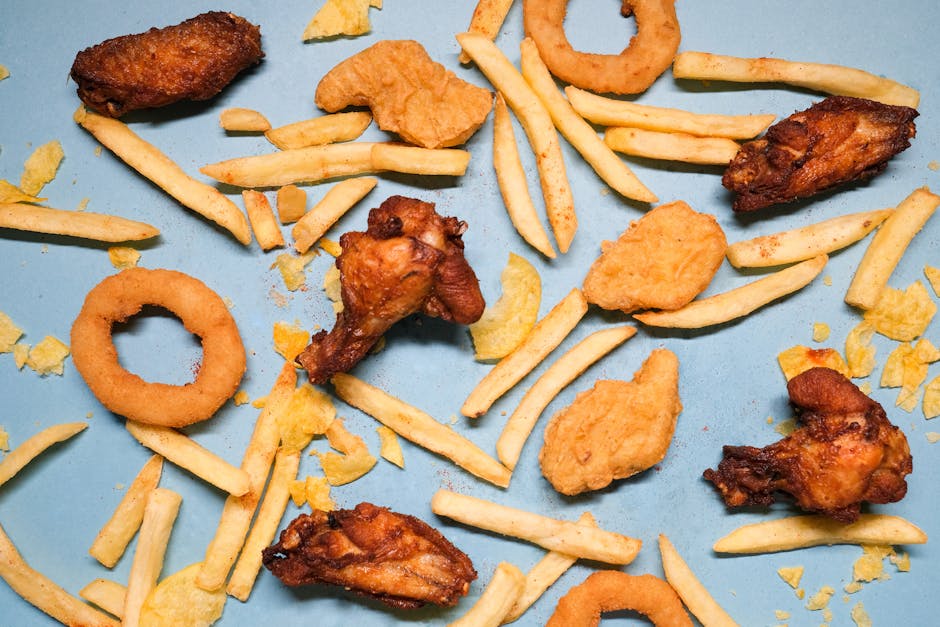
Greasy burgers, crispy fries, deep-fried chicken – these might be comfort foods for some, but they are a nightmare for an upset stomach. Foods high in fat are notoriously difficult for your digestive system to break down. They sit in your stomach longer, delaying gastric emptying and potentially causing bloating, nausea, and even vomiting. Your body is already struggling; don’t make it work overtime on a heavy, fatty meal.
* **What to eat instead:** Choose lean proteins like baked chicken or fish, and steam or boil your vegetables.
3. Dairy Products (Especially for Lactose Intolerance)
Milk, cheese, ice cream – for many, these are staples. However, if you’re lactose intolerant (even mildly so, which can be exacerbated during an upset stomach), dairy can cause significant distress. Lactose, the sugar in dairy, requires an enzyme called lactase to be broken down. When your stomach is upset, your body might produce less lactase, leading to bloating, gas, cramps, and diarrhea. Even if you’re not typically lactose intolerant, dairy can be harder to digest for a sensitive system.
* **What to eat instead:** Try lactose-free dairy alternatives or stick to water and clear broths for hydration.
4. Acidic Fruits & Juices (Citrus, Tomatoes)
While fruits are generally healthy, highly acidic ones can spell trouble for an upset stomach. Oranges, grapefruits, lemons, limes, and even tomatoes (yes, tomatoes are botanically a fruit!) can increase stomach acid, potentially worsening heartburn, acid reflux, and general stomach discomfort. Picture a lemon slice on a cut – similar irritation can happen internally.
* **What to eat instead:** Stick to low-acid fruits like bananas or applesauce.
5. Carbonated Drinks
That fizzy sensation might feel refreshing, but it’s not doing your stomach any favors. The bubbles in sodas, sparkling water, and other carbonated beverages introduce gas into your digestive system. This can lead to uncomfortable bloating, burping, and increased pressure in your stomach, exacerbating nausea or cramps. Plus, many sodas are loaded with sugar, which can also irritate your gut.
* **What to eat instead:** Plain water, still water with a slice of cucumber, or herbal teas are much better choices.
6. Caffeine (Coffee, Energy Drinks)
Your morning cup of joe might be non-negotiable on a normal day, but when your stomach is upset, it’s best to take a break. Caffeine is a stimulant that can increase stomach acid production and act as a laxative, potentially worsening diarrhea or stomach cramps. Energy drinks are even worse, often combining caffeine with high sugar content and artificial ingredients that can further irritate your system.
* **What to eat instead:** Decaffeinated herbal teas (like peppermint or chamomile) or warm water with honey can be soothing.
7. Alcohol
This one might seem obvious, but it bears repeating. Alcohol is a known irritant to the stomach lining. It can increase stomach acid, lead to dehydration, and generally worsen nausea, vomiting, and diarrhea. Even a small amount can significantly delay your recovery and make you feel much worse. When your stomach is upset, your body is working hard to heal; don’t burden it with processing alcohol.
* **What to eat instead:** Focus on hydrating with water, clear broths, or electrolyte solutions.
8. Highly Processed & Sugary Foods
Candy, pastries, sugary cereals, and ultra-processed snacks are often packed with artificial ingredients, unhealthy fats, and refined sugars. These can be difficult to digest, lead to inflammation, and upset the delicate balance of your gut microbiome. The sudden influx of sugar can also cause a rapid release of insulin, which can lead to further digestive upset and discomfort.
* **What to eat instead:** Opt for whole, unprocessed foods like plain oats, baked potatoes, or simple toast.
—
Soothe Your Stomach: What To Eat Instead
Now that we know what to avoid, let’s talk about the good stuff – the gentle giants that can help calm your churning tummy and provide much-needed nourishment without causing further distress. The key here is blandness, ease of digestion, and hydration.
1. The BRAT Diet Staples
The BRAT diet (Bananas, Rice, Applesauce, Toast) is a classic for a reason. These foods are low in fiber, easy to digest, and can help bind stools, which is helpful if you’re experiencing diarrhea.
- **Bananas:** Easy to digest, provide potassium (important if you’ve been losing fluids) and natural sugars for energy.
- **Rice (Plain, White):** A simple carbohydrate that’s easy on the stomach and provides energy.
- **Applesauce:** A good source of pectin, a soluble fiber that can help settle the stomach. Make sure it’s plain, unsweetened applesauce.
- **Toast (Plain, White):** Simple carbohydrates that are easy to digest. Avoid whole-grain varieties initially, as their higher fiber content can be harder on a sensitive stomach.
2. Ginger
This ancient root is a superstar when it comes to nausea. Ginger has natural anti-inflammatory properties and compounds that can help relax the muscles in your digestive tract.
- **How to consume:** Ginger tea (fresh ginger steeped in hot water), ginger ale (flat, not carbonated, and check for real ginger content), or small pieces of candied ginger.
3. Herbal Teas (Peppermint, Chamomile)
Warm, soothing, and packed with calming properties, certain herbal teas can be a godsend.
- **Peppermint Tea:** Can help relax stomach muscles and alleviate cramps.
- **Chamomile Tea:** Known for its calming effects, it can help reduce inflammation and soothe an upset stomach.
4. Clear Broths & Soups
Hydration is crucial when your stomach is upset, especially if you’ve been vomiting or experiencing diarrhea. Clear broths provide fluids, electrolytes, and some nutrients without overwhelming your digestive system.
- **Examples:** Chicken broth, vegetable broth. Ensure they are low in fat and not overly seasoned.
5. Lean Proteins
Once you can tolerate bland solids, lean proteins can help you regain strength and energy.
- **Examples:** Baked chicken breast (skinless), plain baked or boiled fish (like cod or tilapia). Avoid heavy sauces or seasonings.
6. Cooked Vegetables
While raw vegetables can be too fibrous and hard to digest, cooked, soft vegetables can provide essential vitamins and minerals.
- **Examples:** Steamed carrots, boiled potatoes (peeled), cooked zucchini, or green beans.
7. Oatmeal (Plain)
A bowl of plain oatmeal can be a comforting and easy-to-digest breakfast. It provides soluble fiber, which can help regulate digestion.
- **Preparation:** Cook with water, avoid milk if dairy is an issue, and don’t add sugar or rich toppings. A touch of honey might be okay if tolerated.
8. Water & Electrolyte Drinks
The most fundamental and often overlooked remedy! Staying hydrated is paramount. If you’ve been losing fluids, electrolyte drinks can help replenish essential minerals.
- **Water:** Sip slowly throughout the day.
- **Electrolyte Solutions:** Oral rehydration solutions (like Pedialyte) or homemade versions (water, pinch of salt, a little sugar) can be very effective.
—
Key Takeaways
When your stomach is feeling off, remember these core principles:
- **Avoid Irritants:** Steer clear of spicy, fatty, acidic, sugary, and highly processed foods, as well as caffeine and alcohol.
- **Opt for Bland & Easy:** Focus on foods that are gentle on your digestive system, like the BRAT diet staples, clear broths, and lean, simply prepared proteins.
- **Prioritize Hydration:** Sip water and electrolyte solutions frequently to prevent dehydration.
- **Listen to Your Body:** Introduce new foods slowly and in small amounts. If something doesn’t feel right, stop.
—
FAQ Section
Q: How long should I stick to a bland diet?
A: Generally, you should stick to a bland diet for 24-48 hours after your symptoms have subsided. Gradually reintroduce your regular foods, one at a time, to see how your body reacts. If symptoms return, go back to the bland diet for a bit longer.
Q: When should I see a doctor for an upset stomach?
A: While most upset stomachs resolve on their own, you should seek medical attention if you experience severe abdominal pain, high fever, bloody or black stools, persistent vomiting (especially if you can’t keep fluids down), signs of severe dehydration, or if symptoms last longer than a few days.
Q: Is it okay to fast when my stomach is upset?
A: A short period of fasting (e.g., a few hours) might be helpful if you’re experiencing severe nausea or vomiting to give your stomach a rest. However, prolonged fasting is generally not recommended, as your body still needs nutrients and hydration to recover. It’s often better to sip on clear fluids and introduce bland foods as soon as you can tolerate them.
Q: What about probiotics? Can they help?
A: Probiotics, which are beneficial bacteria, can sometimes help restore a healthy balance to your gut, especially after an upset stomach caused by antibiotics or certain infections. However, it’s best to consult with a doctor or dietitian before introducing them, as not all probiotics are created equal, and some might not be suitable for all conditions.
—
Final Thoughts
An upset stomach is your body’s way of telling you to slow down and pay attention. By understanding which foods to avoid with an upset stomach and what to eat instead, you’re not just enduring the discomfort; you’re actively helping your body heal and recover. Be kind to your gut, nourish it wisely, and you’ll be back to enjoying your favorite foods in no time. Listen to your body, give it the gentle care it needs, and remember, a little mindful eating goes a long way in getting you back on your feet.
Written with love and assistance and refined for quality.
{“@context”:”https://schema.org”,”@type”:”Article”,”headline”:”Navigating the Nausea: 8 Foods To Avoid With an Upset Stomach and What To Eat Instead”,”description”:”In this article, weu2019ll explore: 8 Foods To Avoid With an Upset Stomachand What To Eat Instead and why it…”,”author”:{“@type”:”Person”,”name”:”Dr. Cuterus”},”datePublished”:”2026-05-19T10:38:30+00:00″,”dateModified”:”2026-05-19T10:38:30+00:00″,”mainEntityOfPage”:”https://healthyworldz.com/navigating-the-nausea-8-foods-to-avoid-with-an-upset-stomach-and-what-to-eat-instead-3/”,”image”:[“https://healthyworldz.com/wp-content/uploads/2026/05/8-foods-to-avoid-with-an-upset-stomachand-what-to-eat-instead-89.jpg”]}
🔗 Related: Women with polycystic ovary syndrome exhibit…
🔗 Related: 8 Foods To Avoid With an…
🔗 Related: Hormonal mechanisms of womens risk in…