In this article, we’ll explore: 8 Foods To Avoid With an Upset Stomachand What To Eat Instead and why it matters today.
Related:
👉 PCOS and Your Uterus: Unpacking Impaired Endometrial Receptivity, Excessive ER, and the Role of Histone Lactylation
👉 Navigating the Queasy Tummy: 8 Foods To Avoid With an Upset Stomach and What To Eat Instead
👉 Unpacking the Invisible: How Hormones Shape Women's Journey Through Traumatic Stress
Learn more: 8 Foods To Avoid With an Upset Stomachand What To Eat Instead on Investopedia
We’ve all been there. That familiar gurgle, the uncomfortable churn, the sudden onset of nausea or a general feeling of unease in your belly. An upset stomach can throw a wrench into your entire day, leaving you feeling miserable and longing for relief. While sometimes it’s a passing bug, other times, our food choices play a starring role in how our digestive system feels.
When your stomach is protesting, the last thing you want to do is fuel the fire. Choosing the right foods can be a game-changer, helping to soothe your symptoms and get you back on track faster. But what exactly should you steer clear of, and what can you safely reach for? As a professional blog writer and SEO expert, I’m here to guide you through the maze of dietary choices when your gut is feeling grumpy. We’ll dive deep into 8 Foods To Avoid With an Upset Stomach and What To Eat Instead, ensuring you have the knowledge to make smart, soothing choices.
Why Your Food Choices Matter When Your Stomach is Upset
Think of your digestive system as a delicate ecosystem. When it’s healthy, it hums along, breaking down food efficiently and absorbing nutrients. But when it’s upset, it’s like a garden hit by a storm – everything is sensitive, and certain elements can cause more damage. The wrong foods can irritate the stomach lining, increase acid production, cause gas and bloating, or even act as a laxative, exacerbating your symptoms.
The goal isn’t to starve yourself; it’s to nourish your body with gentle, easily digestible foods that support healing rather than hinder it. So, let’s get into the specifics.
8 Foods To Avoid When Your Stomach is Upset
1. Spicy Foods
Ah, the fiery kick of a hot pepper or a heavily spiced curry! While delicious on a normal day, spicy foods are like pouring gasoline on an already inflamed fire when your stomach is upset. Capsaicin, the compound that gives chilies their heat, can irritate the stomach lining, leading to increased acid production, heartburn, and sometimes even diarrhea. It’s a direct irritant that your sensitive gut definitely doesn’t need.
- What to Eat Instead: Opt for bland, mild flavors. Think steamed chicken, plain white rice, or soft, cooked carrots. These foods are gentle on the digestive system and provide necessary nutrients without any harsh stimulation.
2. Fried and Greasy Foods
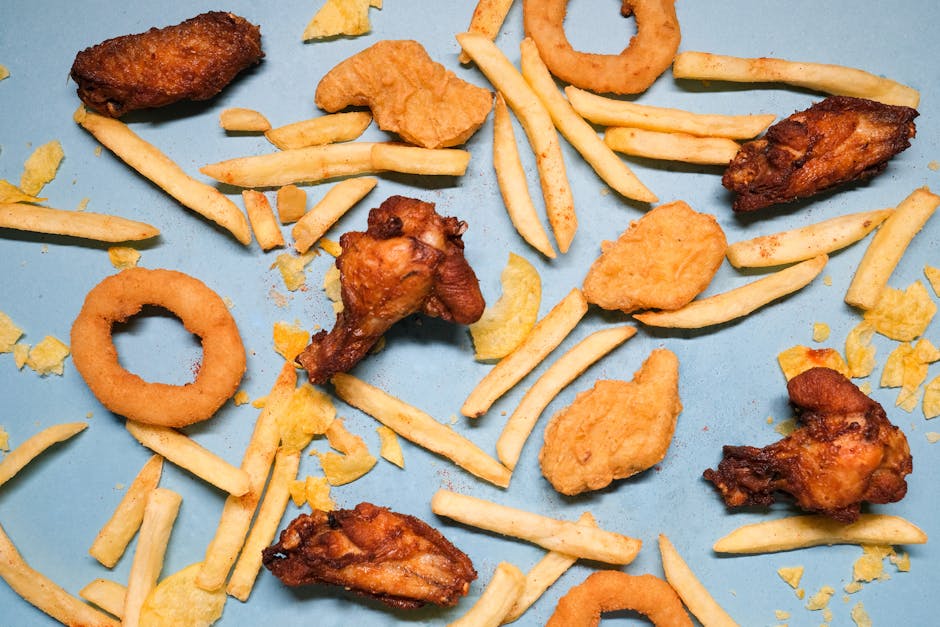
Picture a plate of crispy fried chicken or a greasy burger with a side of fries. Sounds tempting, right? Not when your stomach is in distress! Foods high in fat are notoriously difficult for your body to digest. They sit in your stomach longer, delaying gastric emptying and potentially causing nausea, bloating, and indigestion. The extra work required to break down these fats can overwhelm an already compromised digestive system.
- What to Eat Instead: Focus on lean proteins prepared gently. Baked or grilled chicken or fish, boiled potatoes, or a simple bowl of oatmeal are excellent choices. These provide energy and protein without the digestive burden of excess fat.
3. Dairy Products (Especially for Lactose Intolerance)
For many, dairy products like milk, cheese, and ice cream can be problematic when their stomach is upset, especially if they are lactose intolerant. Lactose, the sugar found in dairy, requires a specific enzyme (lactase) to break it down. When your gut is already compromised, lactase production might be lower, leading to undigested lactose that ferments in the gut, causing gas, bloating, cramps, and diarrhea.
- What to Eat Instead: If dairy is usually an issue, switch to lactose-free alternatives or avoid it altogether for a few days. Plain, unsweetened almond milk or oat milk can be good substitutes. Small amounts of plain, live-culture yogurt might be tolerated by some, as the beneficial bacteria help break down lactose.
4. Acidic Foods and Drinks
Citrus fruits (oranges, lemons, grapefruits), tomatoes, and tomato-based products (like pasta sauce or pizza) are highly acidic. While packed with vitamins, their high acidity can exacerbate heartburn, acid reflux, and general stomach irritation when your gut lining is already sensitive. Imagine splashing lemon juice on a cut – that’s what these foods can feel like to an upset stomach.
- What to Eat Instead: Reach for less acidic fruits and vegetables. Bananas, melon, applesauce, and cooked, non-acidic vegetables like green beans or zucchini are much gentler options.
5. Caffeinated Beverages
That morning cup of coffee might be your ritual, but caffeine is a known stimulant for the digestive system. It can increase stomach acid production and act as a diuretic, potentially leading to dehydration and exacerbating diarrhea. Energy drinks and some teas also fall into this category. When your stomach is already in turmoil, adding a stimulant can just make things worse.
- What to Eat Instead: Stay hydrated with plain water, diluted fruit juice (like apple or grape), or soothing herbal teas such as ginger tea or peppermint tea. Ginger is particularly renowned for its anti-nausea properties.
6. Carbonated Drinks
Fizzy sodas, sparkling water, and even some alcoholic mixers might seem refreshing, but the bubbles they contain are just trapped gas. When you drink them, that gas gets released in your stomach, leading to bloating, burping, and sometimes even stomach pain. It’s like inflating a balloon inside your already tender belly.
- What to Eat Instead: Stick to still beverages. Plain water is always best. You can also try diluted fruit juice or clear broths, which can help replenish electrolytes and provide some nutrients.
7. High-Sugar and Processed Foods
Candy, pastries, sugary cereals, and heavily processed snacks might offer a momentary comfort, but they can be detrimental to an upset stomach. High sugar content can feed “bad” bacteria in your gut, leading to an imbalance in your gut microbiome, which can cause gas, bloating, and even diarrhea. Processed foods often contain artificial ingredients, unhealthy fats, and preservatives that are difficult for a sensitive digestive system to process.
- What to Eat Instead: Choose whole, unprocessed foods. Simple carbohydrates like plain white rice, toast, or crackers can be good options. For a touch of sweetness, a ripe banana or a small amount of applesauce is much better.
8. Raw, High-Fiber Vegetables and Legumes
While raw vegetables and legumes (like beans and lentils) are fantastic for your health on a normal day, their high fiber content can be challenging for an upset stomach. The fiber can be difficult to break down, leading to increased gas and bloating, and sometimes even contributing to diarrhea. Imagine your gut trying to process a dense salad when it’s barely coping with anything else – it’s just too much work.
- What to Eat Instead: Opt for cooked, low-fiber vegetables that are easier to digest. Think well-cooked carrots, boiled potatoes (skin removed), or pureed pumpkin. White rice is also a good low-fiber carbohydrate choice that can help bind stools.
Key Takeaways for a Happy Tummy
- Listen to Your Body: Everyone is different. Pay attention to how certain foods make you feel.
- Go Bland: When in doubt, stick to bland, easily digestible foods. The BRAT diet (Bananas, Rice, Applesauce, Toast) is a classic for a reason.
- Stay Hydrated: Water, clear broths, and herbal teas are your best friends.
- Small, Frequent Meals: Instead of three big meals, try eating smaller portions more frequently to avoid overwhelming your digestive system.
- Cook Gently: Steaming, boiling, or baking foods makes them easier to digest than frying.
Frequently Asked Questions About Upset Stomachs and Food
Q: How long should I stick to a bland diet after an upset stomach?
A: Generally, it’s a good idea to stick to bland foods for at least 24-48 hours after your symptoms have significantly improved. Gradually reintroduce other foods, starting with small portions, to see how your body reacts. If symptoms return, revert to the bland diet.
Q: Are probiotics good for an upset stomach?
A: Probiotics, the beneficial bacteria found in fermented foods like yogurt (if tolerated) or supplements, can be very helpful in restoring a healthy gut microbiome, especially after a bout of illness or antibiotic use. However, introduce them cautiously, as some people might experience initial gas or bloating.
Q: When should I see a doctor for an upset stomach?
A: While most upset stomachs resolve on their own, you should consult a doctor if you experience severe pain, high fever, persistent vomiting, signs of dehydration, bloody or black stools, or if symptoms last for more than a few days. Always prioritize your health and seek professional advice when concerned.
Bringing It All Together for Your Gut Health
Dealing with an upset stomach is never fun, but by making mindful food choices, you can significantly ease your discomfort and support your body’s healing process. Remember these 8 Foods To Avoid With an Upset Stomach and What To Eat Instead, and you’ll be well-equipped to navigate those rough patches. Your gut will thank you for the gentle care!
Next time your tummy starts to grumble, take a deep breath, reach for those soothing options, and give your digestive system the break it deserves. Here’s to feeling better, one gentle bite at a time!
Written with love and assistance and refined for quality.
{“@context”:”https://schema.org”,”@type”:”Article”,”headline”:”Tummy Troubles? Here are the 8 Foods To Avoid With an Upset Stomach and What To Eat Instead for Quick Relief!”,”description”:”In this article, weu2019ll explore: 8 Foods To Avoid With an Upset Stomachand What To Eat Instead and why it…”,”author”:{“@type”:”Person”,”name”:”Dr. Cuterus”},”datePublished”:”2026-05-19T08:44:15+00:00″,”dateModified”:”2026-05-19T08:44:15+00:00″,”mainEntityOfPage”:”https://healthyworldz.com/tummy-troubles-here-are-the-8-foods-to-avoid-with-an-upset-stomach-and-what-to-eat-instead-for-quick-relief-2/”,”image”:[“https://healthyworldz.com/wp-content/uploads/2026/05/8-foods-to-avoid-with-an-upset-stomachand-what-to-eat-instead-88.jpg”]}
🔗 Related: Women with polycystic ovary syndrome exhibit…
🔗 Related: Hormonal mechanisms of womens risk in…
🔗 Related: 8 Foods To Avoid With an…