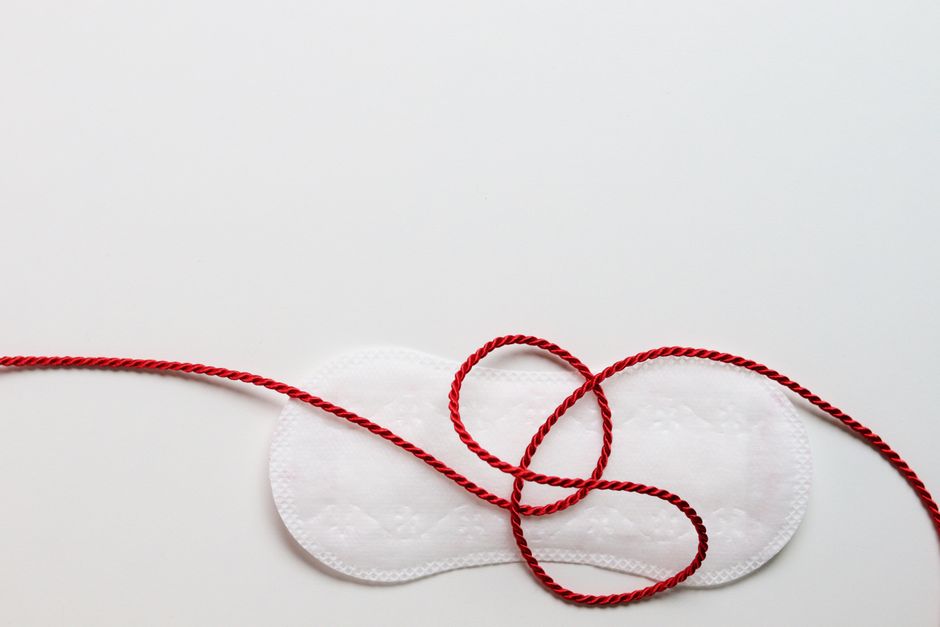
In this article, we’ll explore: Period poverty: A global menstrual health crisis and why it matters today.
Related:
👉 BcozSheMatters: Why the WHO Health Ministry Campaign for Women and Girls is the Change We Need
👉 BcozSheMatters: Why the New WHO and Health Ministry Campaign is a Game-Changer for Women’s Well-being
👉 The Surprising "Double-Threat" Supplement: How to Build a Stronger Body and a Sharper Mind
Learn more: Period poverty: A global menstrual health crisis on Google Search
Imagine being a teenage girl sitting in a classroom, feeling the familiar cramp in your lower back. You know your period has started. But instead of reaching into your bag for a pad or a tampon, you realize you have nothing. You can’t ask your teacher because you’re too embarrassed, and you can’t ask your parents because you know they’re already struggling to put food on the table. So, you fold up some old newspaper or a piece of a tattered rag, tuck it into your underwear, and pray it doesn’t leak before you can run home and hide.
This isn’t a scene from a history book. This is the daily reality for millions of women, girls, and people who menstruate around the world. It is a phenomenon known as period poverty, and it is far more than just a “women’s issue.” It is a systemic failure that affects education, the economy, and basic human rights.
Today, we’re going to dive deep into why period poverty: a global menstrual health crisis is something we all need to care about, and more importantly, what we can do to stop it.
What Exactly Is Period Poverty?
At its simplest, period poverty is the lack of access to menstrual products, hygiene facilities, and waste management. However, if we look closer, it’s a “triple threat” of challenges:
- Financial Barriers: The inability to afford pads, tampons, liners, or menstrual cups.
- Infrastructure Barriers: A lack of clean water, private toilets with locks, and soap to stay clean.
- Educational Barriers: A lack of knowledge about how the body works, often fueled by cultural taboos and shame.
When we talk about period poverty: a global menstrual health crisis, we aren’t just talking about the cost of a box of tampons. We are talking about the dignity of a human being. When someone cannot manage their period safely, they are often forced to withdraw from public life.
The Hidden Face of Period Poverty in Wealthy Nations
One of the biggest myths about period poverty is that it only happens in developing countries. While the challenges in those regions are immense, period poverty is a “hidden” crisis in wealthy nations like the United States, the UK, and Canada as well.
In the U.S., for example, menstrual products are often taxed as “luxury items” (the infamous “Pink Tax”), while items like Viagra or golf club memberships are exempt in some states. For a family living on the poverty line, choosing between a gallon of milk and a pack of pads is a choice no one should have to make. According to various studies, nearly 1 in 4 students in the U.S. struggle to afford period products, leading many to skip school entirely during their cycle.
The Story of Sarah
Sarah, a college student in London, shared her story with a local charity. “I used to skip my Friday lectures every month,” she said. “I didn’t have enough money for food and pads, so I chose food. I would stay in my room using toilet paper from the public library because I was too ashamed to tell my friends. My grades started slipping, and I felt like I was failing at life just because of a natural bodily function.”
The Global Impact: Education and the Economy
When we zoom out to a global scale, the numbers are staggering. The World Bank estimates that 500 million people worldwide lack access to basic menstrual products and hygienic facilities. This has a massive “ripple effect” on the global economy.
1. Education Under Fire
In many parts of Sub-Saharan Africa and South Asia, girls miss up to 20% of the school year because of their periods. If a girl misses a week of school every month, she eventually falls so far behind that she drops out. This increases the risk of child marriage and early pregnancy, trapping another generation in the cycle of poverty.
2. Workforce Participation
It’s not just students. Women working in factories or on farms often have to stay home if they don’t have access to proper products or private bathrooms. This leads to a loss of income, which further deepens the financial hole they are in. By solving period poverty, we aren’t just helping individuals; we are boosting the GDP of entire nations.
The Role of Stigma and Taboo
Why has it taken so long for the world to recognize period poverty: a global menstrual health crisis? The answer is simple: shame. Periods have been shrouded in mystery and “grossness” for centuries.
In some cultures, menstruating women are considered “impure.” They may be forbidden from entering the kitchen, touching plants, or attending religious services. In some extreme cases, they are banished to “menstrual huts”—small, unsafe shacks outside the home—where they are exposed to the elements and physical danger.
Even in modern offices, we whisper about “that time of the month” or hide tampons up our sleeves on the way to the bathroom. This culture of silence makes it incredibly difficult for people to ask for help, and even harder for politicians to prioritize funding for menstrual health.
Real-World Examples of Progress
It’s not all bad news. In recent years, we’ve seen a massive shift in how the world views this crisis. Activists and lawmakers are finally stepping up to the plate.
Scotland: The Global Leader
In 2020, Scotland made history by becoming the first country in the world to make period products free for everyone. They recognized that pads and tampons are as essential as toilet paper and soap in public restrooms. This move sent a message to the rest of the world: menstrual dignity is a right, not a privilege.
India’s “Padman”
Arunachalam Muruganantham, a social entrepreneur from rural India, revolutionized menstrual health by inventing a low-cost machine that produces sanitary pads. His journey—which involved him being shunned by his village and even his family—eventually led to a nationwide movement to provide affordable hygiene to millions of women in rural India.
New Zealand and Schools
New Zealand followed Scotland’s lead by providing free period products in all schools across the country. The government realized that you can’t expect a child to learn if they are worried about leaking through their clothes.
How We Can Solve the Crisis Together
Solving period poverty: a global menstrual health crisis requires a multi-pronged approach. We can’t just throw pads at the problem and expect it to go away. We need long-term, sustainable solutions.
- Policy Change: Governments need to scrap the “Pink Tax” and mandate free products in schools, shelters, and prisons.
- Education for All: We need to teach both girls and boys about menstrual health. When boys understand that periods are normal, the stigma begins to fade.
- Sustainable Options: Promoting reusable products like menstrual cups or period underwear can be a game-changer for those without a steady income, provided they have access to clean water to wash them.
- Infrastructure Investment: Building private, safe toilets in schools and workplaces is essential for keeping people in school and on the job.
Key Takeaways
- It’s Universal: Period poverty affects people in every country, from the poorest villages to the wealthiest cities.
- It’s an Economic Issue: Lack of access to products leads to missed school and work, costing billions in lost productivity.
- Stigma is the Enemy: Silence and shame prevent people from getting the help they need and stop policy changes from happening.
- Change is Possible: Countries like Scotland and New Zealand are proving that policy-driven solutions work.
Frequently Asked Questions (FAQ)
What exactly is period poverty?
Period poverty refers to the struggle many low-income people face when trying to afford menstrual products. It also includes the lack of access to clean water, private toilets, and education regarding menstrual health.
Who is affected by period poverty?
While it primarily affects women and girls, it also affects transgender men and non-binary individuals who menstruate. It hits low-income families, homeless individuals, and students the hardest.
Does period poverty only happen in developing countries?
No. It is a global issue. In the United States and the UK, millions of people struggle to afford products every month, often choosing between food and hygiene supplies.
How can I help end period poverty?
You can help by donating period products to local food banks or shelters, supporting organizations like Period.org or ActionAid, and advocating for policy changes in your local community to provide free products in schools.
Why is there a “tax” on period products?
In many regions, period products are classified as “non-essential” or “luxury” items, meaning they are subject to sales tax. Activists are working globally to reclassify these as essential health necessities to make them more affordable.
Final Thoughts
Period poverty is a quiet crisis, but its impact is deafening. It limits the potential of half the population and reinforces the cycle of poverty. However, for the first time in history, the world is starting to listen. By breaking the silence, donating what we can, and demanding better policies from our leaders, we can ensure that a natural biological process never stands in the way of someone’s education, career, or dignity.
No one should have to choose between their health and their future. It’s time to end period poverty for good.
Written with love and assistance and refined for quality.