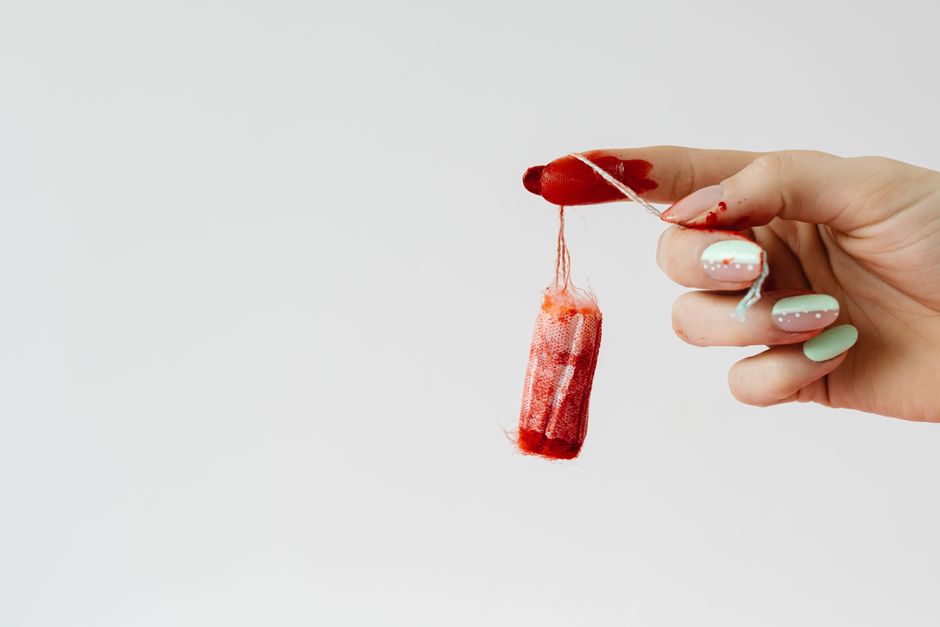
In this article, we’ll explore: Period poverty: A global menstrual health crisis and why it matters today.
Related:
👉 BcozSheMatters: Why the New WHO and Health Ministry Campaign is a Game-Changer for Women Everywhere
👉 Why BcozSheMatters: WHO Health Ministry Roll Out Campaign on Women and Girls Health and Well-being is a Game Changer
👉 Why BcozSheMatters: The New WHO and Health Ministry Campaign Redefining Wellness for Women and Girls
Learn more: Period poverty: A global menstrual health crisis on Google Search
Imagine for a moment that you are a fifteen-year-old girl named Amara living in a small village. Every month, like clockwork, your body goes through a natural cycle. But instead of this being a simple sign of health and growth, it becomes a week of dread. You don’t have pads or tampons. You don’t even have a private bathroom with clean water. To get by, you use old, dirty rags, dried leaves, or even pieces of newspaper. You stay home from school because you’re terrified of leaking through your clothes and being teased. By the end of the year, you’ve missed nearly two months of your education.
This isn’t a plot from a historical novel. This is the daily reality for millions of people. This is period poverty: a global menstrual health crisis that affects dignity, health, and equality in every corner of the world.
As a society, we often treat menstruation as a “whisper topic”—something to be discussed behind closed doors or hidden in a sleeve on the way to the bathroom. But this silence has a cost. It’s time we pull back the curtain and understand why period poverty is one of the most pressing human rights issues of our time.
What Exactly is Period Poverty?
When we talk about period poverty, most people immediately think of the cost of pads and tampons. While that is a huge part of it, the crisis is actually much broader. Period poverty is the lack of access to sanitary products, menstrual hygiene education, toilets, water soap, and waste management.
It is a complex intersection of economic hardship and social stigma. It’s not just about the “stuff”; it’s about the environment in which someone experiences their period. If you have a pad but no way to wash your hands or a private place to change it, you are still experiencing period poverty.
It’s Not Just “Over There”: A Global Perspective
One of the biggest misconceptions about period poverty is that it only happens in developing nations. While the challenges in those regions are severe, the crisis is truly global. Let’s look at two different examples to see how this manifests.
The Struggle in the United States
In the U.S., one of the wealthiest nations on earth, one in four teens has struggled to afford period products. Because pads and tampons are often not covered by government assistance programs like WIC or SNAP, low-income families are forced to choose between buying a box of tampons or buying a gallon of milk. In many states, these essential items are still taxed as “luxury goods,” adding an extra financial burden known as the “Pink Tax.”
The Barrier in Sub-Saharan Africa
In many parts of Sub-Saharan Africa, the issue is compounded by a lack of infrastructure. UNESCO estimates that one in ten girls in Sub-Saharan Africa misses school during her period. Without access to clean water or private stalls in schools, managing a period becomes an impossible task. This leads to a massive gender gap in education, as girls fall behind their male peers simply because of a biological process.
The Ripple Effect: How Period Poverty Changes Lives
Period poverty isn’t just an inconvenience; it has a devastating ripple effect that touches every part of a person’s life.
- Education: As mentioned, girls miss school. When education is interrupted, the likelihood of early marriage and lower lifetime earnings increases.
- Physical Health: When people are forced to use improvised materials like rags, husks, or sand, they are at a high risk for urogenital infections, such as yeast infections or bacterial vaginosis. In extreme cases, using a single tampon for too long because you can’t afford another one can lead to Life-threatening Toxic Shock Syndrome (TSS).
- Mental Health: The shame and anxiety associated with “leaking” or being “found out” can lead to isolation and depression. No one should feel like their body is a source of embarrassment.
- Economic Participation: Adult women in the workforce miss work days, which leads to lost wages and decreased productivity, further trapping them in a cycle of poverty.
The Invisible Wall: Stigma and Taboos
We cannot solve period poverty: a global menstrual health crisis without addressing the elephant in the room: stigma. In many cultures, menstruation is still viewed as “dirty” or “impure.”
In some communities, menstruating people are forbidden from cooking, entering places of worship, or even touching others. This cultural shaming reinforces the idea that periods are something to be hidden. When we don’t talk about periods, we don’t demand better policies. We don’t ask for free dispensers in public bathrooms. We don’t teach boys and men how to be allies. The silence is what allows the poverty to persist.
Signs of Hope: Breaking the Cycle
The good news? The world is finally waking up. We are seeing a global movement toward “menstrual equity.”
Scotland Leads the Way
In 2020, Scotland became the first country in the world to make period products free for everyone. They recognized that these products are as essential as toilet paper or soap. This landmark legislation set a standard for the rest of the world to follow.
Grassroots Innovations
In India, “The Pad Man” (Arunachalam Muruganantham) revolutionized the industry by creating a low-cost machine to produce affordable sanitary pads, empowering local women to run their own businesses while providing health solutions to their communities.
The Power of Advocacy
From New York to Nairobi, activists are successfully lobbying governments to remove the “tampon tax” and provide free products in schools and prisons. These wins prove that when we raise our voices, we can change the law.
How You Can Help End Period Poverty
You don’t have to be a politician to make a difference. Here are a few ways you can help tackle this crisis today:
- Donate Products: Local food banks and homeless shelters are always in desperate need of pads and tampons. They are often the most requested but least donated items.
- Support Sustainable Brands: Many companies now have a “buy one, give one” model. Switching to menstrual cups or period underwear can also reduce waste and long-term costs.
- Talk About It: Normalize the conversation. The more we talk about periods openly, the less power the stigma has.
- Advocate for Change: Write to your local representatives. Ask them to support legislation that provides free products in public schools and buildings.
Key Takeaways
- It’s a Human Rights Issue: Period poverty is about more than just money; it’s about health, education, and dignity.
- It is Universal: This crisis affects people in both high-income and low-income countries.
- The Cost is High: Lack of access leads to missed school, health risks, and economic loss.
- Stigma is a Barrier: Cultural taboos prevent people from seeking help and leaders from taking action.
- Change is Possible: Through policy changes, education, and community support, we can achieve menstrual equity.
Frequently Asked Questions
What is the main cause of period poverty?
The main causes are the high cost of menstrual products, lack of access to clean water and private sanitation, and a lack of education regarding menstrual health. Financial hardship is often the primary driver, but social stigma plays a massive role in preventing solutions.
How does period poverty affect education?
Many students stay home during their periods because they lack products or fear being shamed for leaks. This leads to chronic absenteeism, which can cause students to fall behind or drop out of school entirely, limiting their future opportunities.
Is period poverty only a problem in developing countries?
No. Period poverty is a global issue. For example, in the UK and the US, a significant percentage of students and low-income workers struggle to afford basic menstrual hygiene products every month.
What is the “Tampon Tax”?
The “Tampon Tax” refers to the sales tax placed on menstrual products because they are categorized as “non-essential” or “luxury” items by many governments. Advocates argue that because these products are a biological necessity, they should be tax-exempt, similar to groceries or medical supplies.
Can men help end period poverty?
Absolutely. Men can help by educating themselves, supporting policies for menstrual equity, and helping to break the stigma by treating menstruation as a normal, healthy part of life rather than something “gross” or “taboo.”
Final thoughts: We live in a world where we have the technology to go to Mars, yet millions of people are still using leaves and rags to manage their periods. It’s time to decide that period poverty: a global menstrual health crisis is a relic of the past. By speaking up and taking action, we can ensure that a period never stands in the way of a person’s potential.
Written with love and assistance and refined for quality.
🔗 Related: Hormonal mechanisms of womens risk in…
🔗 Related: Why Am I Losing Inches But…
🔗 Related: Period poverty: A global menstrual health…