In this article, we’ll explore: Period poverty: A global menstrual health crisis and why it matters today.
Related:
👉 Why Our Daughters Are Hurting: Making Sense of the Widening Gender Mental Health Gap
👉 Beyond the Name: Why For Millions of Women PCOS Was Never Just About the Ovaries
👉 The Hidden Struggle: Why Period Poverty is a Global Menstrual Health Crisis We Can’t Ignore
Learn more: Period poverty: A global menstrual health crisis on Google Search
Imagine, for a moment, that you are a teenage girl sitting in a classroom. You feel that familiar, dull ache in your lower back. You realize your period has started. But instead of reaching into your bag for a pad or asking a friend for a spare, you feel a wave of panic. You don’t have any supplies at home. Your family had to choose between buying groceries or buying a box of tampons this month, and food won.
To avoid the embarrassment of a visible stain on your uniform, you slip out of class and head home. You’ll stay there for the next five days, using old rags or bundled-up toilet paper, falling behind on your lessons. This isn’t a scene from a movie or a story from a century ago. This is the daily reality for millions. This is period poverty: a global menstrual health crisis that is quietly holding back half the world’s population.
We often talk about the wage gap or the education gap, but we rarely talk about the “period gap.” It’s time we pull back the curtain on this issue and understand why menstrual equity is a fundamental human right.
What Exactly Is Period Poverty?
When people hear the term “period poverty,” they usually think of a lack of money to buy pads or tampons. While that is a huge part of it, the crisis is actually much broader. Period poverty is the lack of access to sanitary products, menstrual hygiene education, toilets, water management, and waste disposal.
It’s a complex web of financial, social, and structural barriers. It’s not just about the product; it’s about the dignity and safety required to manage a natural biological process. When a person cannot manage their period safely and with dignity, it affects their physical health, their mental well-being, and their future prospects.
The Hidden Face of a Global Crisis
One of the biggest myths about period poverty is that it only happens in developing nations. While the challenges are often more severe in low-income countries, this is truly a global issue. Let’s look at how it manifests in different parts of the world.
The Struggle in Developing Nations
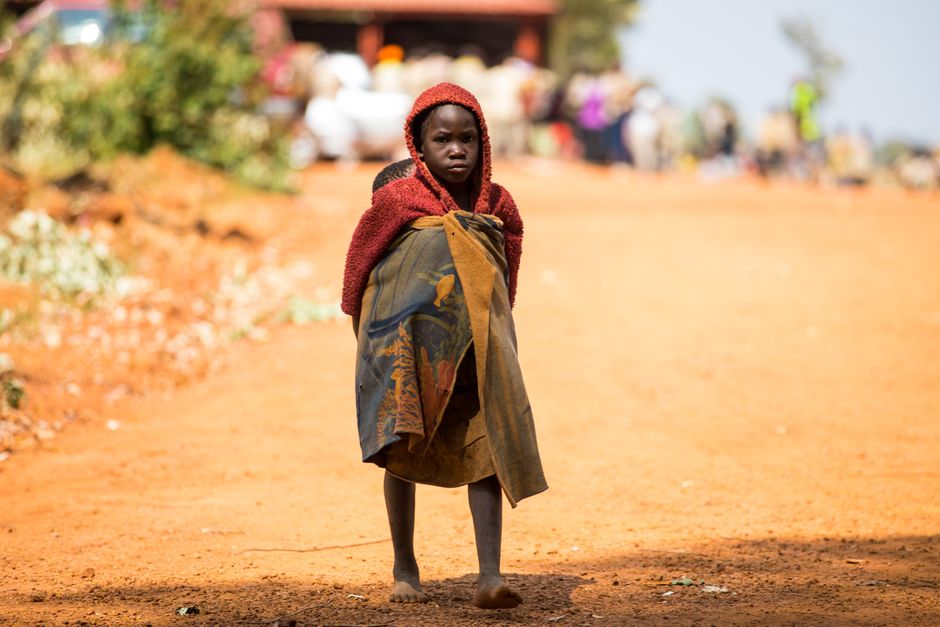
In many parts of Sub-Saharan Africa and South Asia, the barriers are often physical and cultural. In rural areas, there might not be a shop that sells sanitary products for miles. Even if there is, the cost might be equivalent to a full day’s wages for a family.
Take the example of Amina, a 14-year-old girl in rural Kenya. For Amina, her period means missing a week of school every month. Without access to pads, she uses dried leaves or old pieces of goat hide. These materials are not only uncomfortable but can lead to severe bacterial infections. For Amina, period poverty isn’t just an inconvenience; it’s a threat to her health and her dream of becoming a teacher.
The Crisis in Wealthy Countries
You might be surprised to learn that period poverty is rampant in the United States, the UK, and Canada. In these countries, the issue is often tied to the high cost of living and the “Pink Tax”—the extra amount women pay for everyday products.
A study in the U.S. found that nearly two-thirds of low-income women couldn’t afford menstrual products at some point during the year. In the UK, teachers have reported buying pads out of their own pockets for students who were using socks or newspaper because their parents couldn’t afford supplies. When you are living paycheck to paycheck, a $10 box of tampons can feel like a luxury you simply can’t afford.
The Ripple Effect: Education and Economy
Why should someone who doesn’t menstruate care about this? Because period poverty affects the entire economy. When girls miss school, they lose out on education. When women miss work because they can’t manage their periods, productivity drops.
- School Dropouts: In many parts of the world, the onset of puberty marks the end of a girl’s education. Without the means to manage their periods, girls fall behind and eventually drop out, increasing the risk of child marriage and early pregnancy.
- Economic Impact: Studies have shown that for every year a girl stays in school, her future earnings increase significantly. By solving period poverty, we are literally investing in the global economy.
- Workplace Inequality: Many hourly-wage workers in factories or service jobs don’t have “period breaks” or access to clean bathrooms. This forces them to take unpaid leave, further deepening the cycle of poverty.
The Heavy Weight of Stigma
We can’t talk about period poverty: a global menstrual health crisis without talking about the “shame factor.” In many cultures, periods are seen as “dirty” or “impure.” This stigma is a wall that prevents people from seeking help.
In some communities, menstruating people are forbidden from cooking, entering places of worship, or even touching others. When a society treats a normal bodily function as a secret or a source of shame, it becomes much harder to advocate for policy changes. If we are too embarrassed to say the word “period,” how can we expect politicians to fund free pads in public bathrooms?
Storytelling is our best weapon here. When celebrities, activists, and everyday people start talking openly about their cycles, the stigma begins to crumble. We need to move from “whispering about tampons” to “demanding menstrual equity.”
Real-World Examples of Change
The news isn’t all bad. There are incredible movements happening right now to tackle this crisis head-on.
Scotland: The Trailblazer
In 2020, Scotland became the first country in the world to make period products free for everyone. They recognized that pads and tampons are as essential as toilet paper and soap. If you don’t have to pay for toilet paper in a public restroom, why should you have to pay for a pad?
The “Pad Man” of India
Arunachalam Muruganantham, often called the “Pad Man,” revolutionized menstrual hygiene in rural India. After seeing his wife struggle with unhygienic rags, he invented a low-cost machine to manufacture sanitary pads. His work didn’t just provide products; it provided jobs for women and started a national conversation in a country where the topic was once strictly taboo.
Free Supplies in Schools
States like California and New York in the U.S. have passed laws requiring public schools to provide free menstrual products in bathrooms. This simple change has helped thousands of students stay in class and focus on their education rather than their clothes.
How Can We End Period Poverty?
Solving this crisis requires a three-pronged approach: Access, Education, and Policy.
1. Improving Access
We need to ensure that products are affordable and available. This includes supporting local entrepreneurs who make sustainable, low-cost reusable pads and ensuring that food banks and homeless shelters are well-stocked with menstrual supplies.
2. Education for Everyone
Menstrual health education shouldn’t just be for girls. Boys and men need to understand the biological process to help break down the stigma. When everyone understands that a period is just a sign of a healthy body, the shame disappears.
3. Policy and Legislation
Governments need to scrap the “tampon tax” (where menstrual products are taxed as luxury items) and mandate free supplies in public spaces like schools, prisons, and shelters. Menstrual health is public health.
Key Takeaways
- Period poverty is universal: It affects people in both high-income and low-income countries.
- It’s more than just pads: It includes access to clean water, private toilets, and accurate health information.
- Education is the casualty: Millions of girls miss school every year due to a lack of supplies, which limits their future potential.
- Stigma is a barrier: Cultural taboos prevent people from asking for help and politicians from taking action.
- Change is happening: Countries like Scotland and various U.S. states are proving that free access is possible and effective.
Frequently Asked Questions
Is period poverty really a “crisis”?
Yes. When millions of people are forced to use unsafe materials like sand, ash, or rags, and when children are missing significant portions of their education, it is a public health and human rights crisis. It perpetuates the cycle of poverty and inequality.
How can I help someone experiencing period poverty?
You can donate unopened boxes of pads or tampons to your local food bank or homeless shelter. You can also support organizations like Period.org or Days for Girls, which work globally to provide supplies and education. Most importantly, you can talk about it! Normalizing the conversation helps break the stigma.
Why aren’t reusable products like menstrual cups the only solution?
While reusable products are great for the environment, they aren’t always practical. To use a menstrual cup or reusable cloth pad safely, you need access to clean, boiling water for sterilization. In areas with water scarcity, disposables are often the safer, more hygienic option.
Does the “Tampon Tax” still exist?
In many places, yes. Many governments still categorize menstrual products as “luxury items” or “non-essential,” meaning they are taxed at a higher rate than items like Viagra or even certain snacks. Activists worldwide are working to reclassify these as essential health necessities.
Final Thoughts
Period poverty: a global menstrual health crisis is not an unsolvable problem. Unlike many of the world’s complex issues, this one has a very clear solution: provide the products, provide the education, and provide the facilities.
No one should have to choose between their dignity and their dinner. By advocating for menstrual equity, we aren’t just helping people manage their periods—we are helping them stay in school, stay in the workforce, and live their lives without shame. It’s time to make period poverty a thing of the past.
Written with love and assistance and refined for quality.
🔗 Related: Hormonal mechanisms of womens risk in…
🔗 Related: Research Shows This Supplement Can Help…