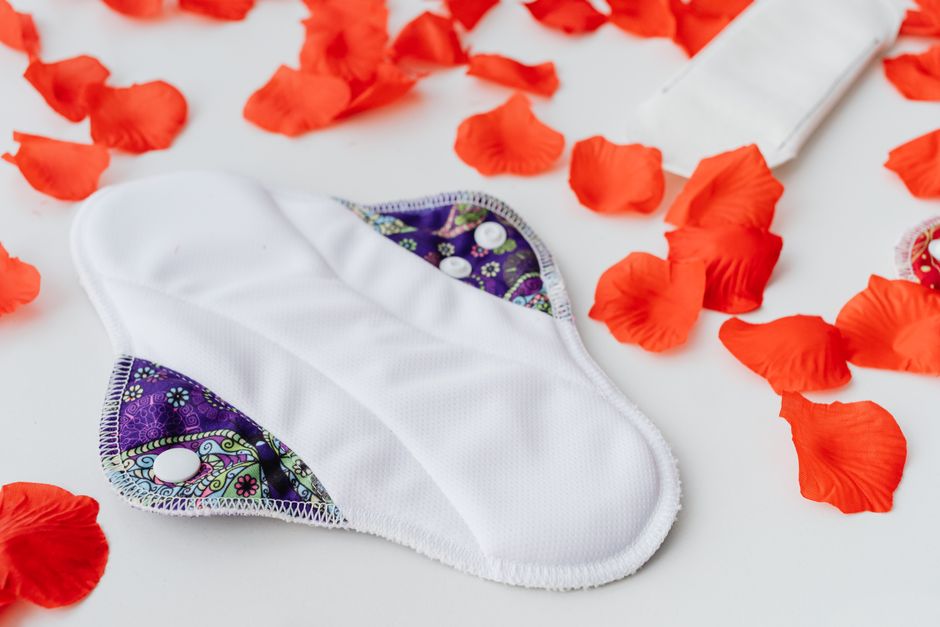
In this article, we’ll explore: Period poverty: causes and related issues and why it matters today.
Related:
👉 Why Women’s Health is Finally Taking Center Stage: The #BcozSheMatters Campaign
👉 The Secret Strength: Why Pelvic Health Matters for Young Moms in Mangaluru
👉 The Hidden Crisis: Understanding Period Poverty, Its Causes, and Why It Matters for Everyone
Learn more: Period poverty: causes and related issues on Google Search
Imagine for a second that you are a fifteen-year-old girl sitting in a classroom. You feel that familiar, dull ache in your lower back. You realize your period has started. But instead of reaching into your bag for a pad or asking a friend for a spare, you feel a wave of sheer panic. Why? Because you don’t have any supplies at home, your parents can’t afford to buy them this month, and the school nurse is out of stock.
You have two choices: use wadded-up toilet paper that will likely leak before the next bell, or go home and miss your chemistry exam. This isn’t a scene from a movie about the distant past. This is the daily reality for millions of people globally. This is period poverty.
In this post, we are going to dive deep into period poverty: causes and related issues. We’ll look at why this happens in both wealthy and developing nations, how it affects a person’s life beyond just those five days a month, and what we can do to fix it.
What is Period Poverty?
Before we get into the “why,” let’s define the “what.” Period poverty is a global struggle where people—mostly women, girls, and transgender individuals—cannot afford or access menstrual products. But it’s more than just a lack of pads or tampons. It also includes a lack of access to clean water, private toilets, and basic education about how menstruation works.
When someone can’t manage their period with dignity, it ripples out into every other part of their life. It affects their education, their health, and their mental well-being.
Period Poverty: Causes and Related Issues
To solve a problem, we have to understand where it starts. The causes of period poverty are a complex mix of economics, infrastructure, and ancient social taboos. Let’s break them down.
1. The Financial Burden and the “Pink Tax”
The most obvious cause is the cost. Menstrual products are expensive. In many parts of the world, these items are taxed as “luxury goods” rather than essential necessities. This is often referred to as the “Pink Tax.” While items like Viagra or certain snacks might be tax-exempt in some regions, pads and tampons are hit with a sales tax that makes them unreachable for low-income families.
Think about a family living on the edge of the poverty line. When money is tight, the choice often comes down to buying a gallon of milk or a box of tampons. Usually, food wins.
2. Lack of Infrastructure
In many developing nations, or even in neglected urban areas of developed countries, the issue isn’t just the product—it’s the place. If a school or workplace doesn’t have clean, running water or a private stall with a door that locks, managing a period becomes a logistical nightmare. Without a way to wash or a discreet way to dispose of used products, many people choose to stay home entirely.
3. Cultural Stigma and Silence
In many cultures, menstruation is still treated as something “dirty” or “shameful.” This silence is a major driver of period poverty. When we don’t talk about periods, we don’t plan for them. Schools might forget to budget for pads, and parents might feel too embarrassed to teach their children about reproductive health. This “shame” prevents people from asking for help when they can’t afford supplies.
The Real-World Impact: More Than Just a Physical Struggle
The period poverty: causes and related issues we discuss aren’t just statistics; they are lived experiences. The “related issues” are where the damage really happens.
Education and the “Missing Days”
One of the most heartbreaking side effects of period poverty is the impact on education. In sub-Saharan Africa, the World Bank estimates that one in ten girls misses school during their menstrual cycle. Over time, these missed days add up, causing students to fall behind and eventually drop out. This keeps the cycle of poverty spinning, as girls who don’t finish school have fewer economic opportunities in the future.
Health Risks and “Alternative” Methods
When you can’t afford a pad, you get creative—but that creativity can be dangerous. People living in period poverty often resort to using old rags, newspapers, husks of corn, or even sand wrapped in cloth. These methods are not only uncomfortable but can lead to severe reproductive and urinary tract infections (UTIs). In extreme cases, leaving a single tampon in for too long because you don’t have a replacement can lead to Toxic Shock Syndrome (TSS), which is life-threatening.
The Psychological Toll
The mental health aspect of period poverty is often overlooked. Imagine the constant anxiety of “leaking” in public or the humiliation of having to ask a stranger for a pad. This leads to a loss of dignity and self-esteem. For a young person, this shame can be traumatizing and lead to social withdrawal.
A Tale of Two Realities: Examples of Period Poverty
To understand the scope, let’s look at two different examples.
Example 1: The Rural Village
In a small village in rural India, a girl named Anaya gets her first period. Her school doesn’t have a private bathroom for girls. Because she can’t afford pads, her mother gives her an old piece of cloth. Anaya is terrified of staining her uniform, so she stays home for five days every month. Eventually, she falls so far behind in math that she decides to stop going to school altogether to work in the fields.
Example 2: The Big City
In London or New York, a college student named Sarah is working two part-time jobs just to pay rent. After paying for her bus pass and groceries, she has $5 left in her bank account. A box of tampons costs $9. Sarah spends her afternoon at the campus library, stuffing her underwear with cheap paper towels from the public restroom. She spends her entire lecture worrying if she smells or if the paper has shifted, unable to focus on the professor.
How We Can Break the Cycle
The good news? This is a solvable problem. We are seeing a global movement to end period poverty through several key avenues:
- Legislative Change: Countries like Scotland have made history by making period products free for everyone. Many U.S. states have also abolished the “Pink Tax.”
- School Programs: Providing free dispensers in school bathrooms ensures that no student has to choose between their education and their health.
- Normalizing the Conversation: By talking openly about periods, we strip away the stigma. Men and boys need to be part of this conversation too, so they can support their sisters, daughters, and colleagues.
- Sustainable Solutions: Donating menstrual cups or period underwear can provide a long-term solution (lasting years) for people who don’t have regular access to stores or waste disposal.
Key Takeaways
- Period poverty is a lack of access to menstrual products, education, and hygiene facilities.
- The main causes include high costs (Pink Tax), lack of clean water, and cultural taboos.
- It impacts education, as millions of girls miss school every month due to a lack of supplies.
- Serious health risks arise when people use unsafe alternatives like rags or newspapers.
- Solutions include policy changes, free products in public spaces, and breaking the social stigma through open conversation.
Frequently Asked Questions
Is period poverty only a problem in developing countries?
No. While it is a massive issue in developing nations, it is also very common in wealthy countries like the US, UK, and Canada. Low-income individuals, homeless people, and students in these countries frequently struggle to afford supplies.
What is the “Pink Tax”?
The Pink Tax refers to the extra amount of money women are charged for certain products or services. In the context of period poverty, it specifically refers to the VAT or sales tax placed on menstrual products, treating them as non-essential items.
How does period poverty affect mental health?
It causes significant stress, anxiety, and a sense of shame. The fear of “accidents” and the inability to maintain personal hygiene can lead to social isolation and a decrease in self-worth.
What can I do to help?
You can donate unopened boxes of pads or tampons to local food banks and homeless shelters. You can also support organizations like Period.org or local charities that advocate for free products in schools and the removal of the Pink Tax.
Final Thoughts
Period poverty isn’t just a “women’s issue”—it’s a human rights issue. When a large portion of the population is held back because of a natural biological process, society as a whole loses out on their potential, their ideas, and their contributions.
By understanding period poverty: causes and related issues, we can move toward a world where a period is just a period—not a barrier to an education or a source of shame. It’s time we make menstrual equity a reality for everyone, everywhere.
Written with love and assistance and refined for quality.
🔗 Related: Perineal muscle strength as a predictor…
🔗 Related: Yes Creatine Can Help With StrengthBut…