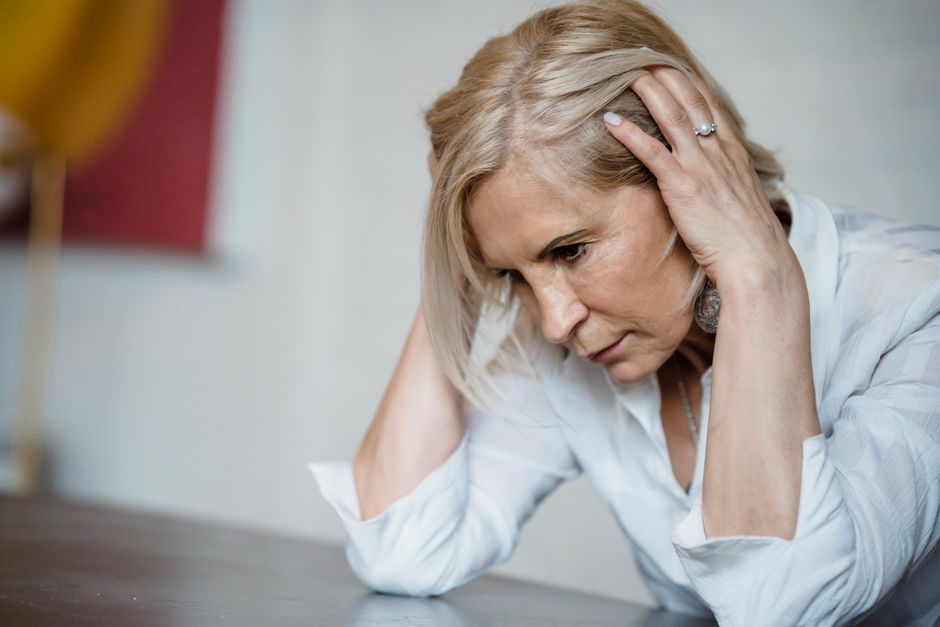
In this article, we’ll explore: Hormonal mechanisms of womens risk in the face of traumatic stress and why it matters today.
Related:
👉 Why Am I Losing Inches But Not Weight? Here Are 4 Possible Reasons The Scale Isn't Changing
👉 Beyond the Hormones: Why Women with PCOS Struggle with Embryo Implantation
👉 The Invisible Patient: Why Womens Health Needs a System Redesign to Close the Diagnostics Gap
Learn more: Hormonal mechanisms of womens risk in the face of traumatic stress on Investopedia
Imagine two people are standing on a busy street corner when a car suddenly swerves and crashes into a storefront. Both individuals are physically unhurt, but the shock is palpable. One of them, a man, feels his heart race, but within a few days, the memory becomes just a “crazy story” he tells at dinner. The other, a woman named Sarah, finds herself jumping at every loud noise for weeks. She can’t stop seeing the glass shatter in her mind’s eye. She feels like she’s constantly on the verge of a panic attack.
For a long time, society—and even some corners of medicine—chalked this difference up to “sensitivity” or “emotionality.” But that’s not just unfair; it’s scientifically wrong. What Sarah is experiencing isn’t a lack of resilience. It is a complex biological dance happening deep within her brain and endocrine system. When we look at the hormonal mechanisms of womens risk in the face of traumatic stress, we begin to see that women’s bodies process danger and recovery through a very specific chemical lens.
In this post, we’re going to peel back the layers of how estrogen, progesterone, and cortisol influence how women respond to trauma. We’ll explore why women are twice as likely to develop PTSD as men and how understanding our biology can lead to better healing.
The Biological Blueprint: It’s Not Just “All in Your Head”
When we talk about stress, we often talk about the “Fight or Flight” response. You’ve probably heard of the HPA axis (the Hypothalamic-Pituitary-Adrenal axis). This is the command center that tells your body to pump out adrenaline and cortisol when you’re in trouble.
However, the way this command center operates isn’t identical for everyone. In women, the HPA axis is heavily influenced by sex hormones. Think of hormones like the “software” running on the “hardware” of your nervous system. If the software is tuned differently, the output—how you feel and react—will be different too.
The Role of Estrogen: The Fear Regulator
Estrogen is often thought of purely as a reproductive hormone, but it’s actually a powerful neuroprotective agent. It talks directly to the amygdala (the brain’s fear center) and the hippocampus (the memory center).
Research suggests that estrogen plays a massive role in something called “fear extinction.” This is the brain’s ability to learn that a previously dangerous situation is now safe. For example, if you were in a car accident, fear extinction is what allows you to eventually get back behind the wheel without shaking. When estrogen levels are high, women tend to be better at this “unlearning” of fear. When estrogen is low, the brain struggles to let go of the trauma, keeping the “threat alarm” ringing long after the danger has passed.
Why Timing Matters: The Menstrual Cycle and Trauma
One of the most fascinating—and overlooked—aspects of the hormonal mechanisms of womens risk in the face of traumatic stress is the timing of the trauma itself. Scientists have found that the phase of the menstrual cycle a woman is in during a traumatic event can actually predict her risk of developing lasting psychological scars.
Consider these two phases:
- The Mid-Luteal Phase: This is the time after ovulation when progesterone is high and estrogen is fluctuating. Some studies suggest that if a woman experiences trauma during this window, she may be more prone to intrusive memories (flashbacks).
- The Early Follicular Phase: This is when both estrogen and progesterone are at their lowest (during menstruation). Low estrogen during a trauma can impair the brain’s ability to regulate the stress response, potentially increasing the risk of PTSD symptoms later on.
This isn’t to say that your cycle “causes” PTSD, but rather that the hormonal environment of the brain at the moment of impact changes how the memory is “baked” into your mind.
The “Tend and Befriend” Response
For decades, “Fight or Flight” was the only stress model studied (mostly in men). But in the early 2000s, researchers like Shelly Taylor identified a different pattern often seen in women: “Tend and Befriend.”
This response is driven by oxytocin, often called the “cuddle hormone.” When women face stress, their bodies release oxytocin, which buffers the fight-or-flight response and encourages them to seek out social support and nurture their offspring. While this is a beautiful survival strategy, it also means that if a woman is socially isolated or if her trauma involves a betrayal of trust (like domestic violence), the hormonal “safety net” of oxytocin can actually lead to deeper psychological distress.
The Cortisol Paradox
Cortisol is the “stress hormone” we love to hate, but we actually need it to survive. In a healthy response, cortisol spikes to give you energy and then drops back down. In many women who have experienced chronic traumatic stress, the system gets “tired.” We see a blunted cortisol response—where the body doesn’t produce enough of it to shut down the inflammation and stress caused by the trauma. This keeps the body in a state of low-grade, constant “emergency mode.”
Real-World Example: The Story of Maria
To make this clearer, let’s look at Maria. Maria was a first responder who worked through a high-stress natural disaster. For months afterward, she struggled with insomnia and hyper-vigilance. Her male colleagues seemed to “shake it off” more easily.
Maria felt ashamed, thinking she wasn’t “tough enough.” However, a look at her biology told a different story. Maria had been under chronic stress for years, which had deregulated her cortisol levels. Furthermore, the most intense part of the disaster happened during a point in her cycle when her estrogen was at its lowest. Her brain literally didn’t have the chemical tools it needed to “extinguish” the fear response. Once she understood that her reaction was a physiological reality—not a character flaw—she was able to seek targeted therapy that helped her nervous system reset.
Key Takeaways: Understanding the Risk
- Hormones are Brain Modulators: Estrogen and progesterone aren’t just for reproduction; they change how the brain’s fear and memory centers function.
- The Estrogen Shield: Higher levels of estrogen generally help the brain “unlearn” fear, while low levels can make trauma “stick” more easily.
- The Vulnerability Window: The timing of a traumatic event within the menstrual cycle can influence the severity of subsequent PTSD symptoms.
- Social Connection is Biological: Oxytocin drives women toward social bonding during stress, making social support a critical part of hormonal recovery.
- It’s a Systemic Issue: “Risk” isn’t about weakness; it’s about how the HPA axis and sex hormones interact to create a unique stress profile.
Moving Toward Healing
Understanding the hormonal mechanisms of womens risk in the face of traumatic stress isn’t about pigeonholing women as “vulnerable.” It’s about empowerment. When we know that estrogen affects fear extinction, we can look at treatments that might involve cycle-syncing therapy or even hormonal support.
If you are a woman who has experienced trauma, know this: Your body reacted the way it was programmed to react. If your memories feel louder or your heart beats faster than others, it’s because your biological “software” was trying to protect you in the best way it knew how. Healing involves teaching that software that the “glitch” is over and it’s finally safe to come home.
Frequently Asked Questions (FAQ)
1. Does this mean women are naturally less resilient than men?
Absolutely not. Resilience isn’t just about “not feeling stress.” It’s about how the body recovers. Women’s bodies have evolved highly sophisticated ways to handle stress (like the “Tend and Befriend” response). The “risk” mentioned is specifically about the likelihood of developing PTSD, which is a result of how the brain stores memories under specific hormonal conditions.
2. Can birth control help or hurt my response to stress?
This is a great question that scientists are still studying. Because hormonal contraceptives stabilize estrogen and progesterone levels, they can change how the HPA axis responds to stress. Some women find they feel more emotionally stable, while others may feel a “blunting” of emotions. It’s a very individual experience.
3. Should I track my cycle if I’m going through a stressful time?
Many therapists recommend it! Knowing where you are in your cycle can help you understand why some days you might feel more “on edge” or prone to flashbacks. It provides a sense of control and helps you realize that your feelings are tied to your physiology.
4. What are the best treatments for women dealing with hormonal stress?
Therapies like EMDR (Eye Movement Desensitization and Reprocessing) and CBT (Cognitive Behavioral Therapy) are very effective. Additionally, focusing on activities that naturally regulate hormones—like consistent sleep, anti-inflammatory nutrition, and social connection—can help balance the HPA axis.
5. Is cortisol always bad?
No! Cortisol is your friend in an emergency. It helps you focus and act. The problem only arises when cortisol stays high for too long or becomes too low to do its job of “turning off” the stress response. Balance is the goal.
Written with love and assistance and refined for quality.
{“@context”:”https://schema.org”,”@type”:”Article”,”headline”:”The Invisible Connection: How Hormones Shape Why Women Experience Trauma Differently”,”description”:”In this article, weu2019ll explore: Hormonal mechanisms of womens risk in the face of traumatic stress and why it matters…”,”author”:{“@type”:”Person”,”name”:”Dr. Cuterus”},”datePublished”:”2026-06-08T22:04:13+00:00″,”dateModified”:”2026-06-08T22:04:13+00:00″,”mainEntityOfPage”:”https://healthyworldz.com/the-invisible-connection-how-hormones-shape-why-women-experience-trauma-differently/”,”image”:[“https://healthyworldz.com/wp-content/uploads/2026/06/hormonal-mechanisms-of-womens-risk-in-the-face-of-traumatic-stress-99.jpg”]}
🔗 Related: Why womens health needs a system…
🔗 Related: Hormonal mechanisms of womens risk in…
🔗 Related: Sirona Foundation Promotes Menstrual Hygiene and…