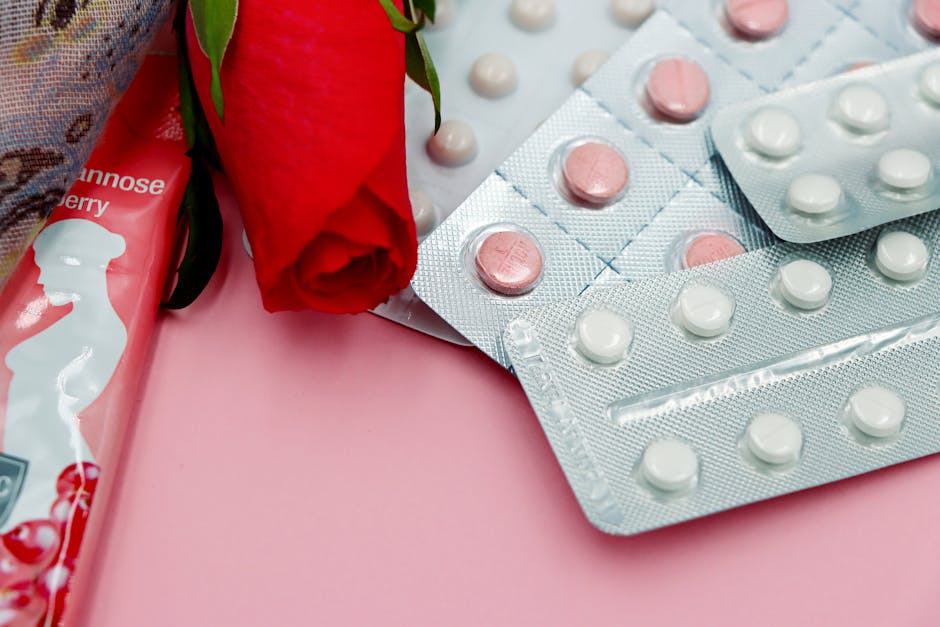
In this article, we’ll explore: Hormonal mechanisms of womens risk in the face of traumatic stress and why it matters today.
Related:
👉 Unraveling the Silent Symphony: Understanding Hormonal Mechanisms of Women's Risk in the Face of Traumatic Stress
👉 Unraveling the Invisible Threads: Understanding Hormonal Mechanisms of Women's Risk in the Face of Traumatic Stress
👉 Why Women Experience Trauma Differently: Unpacking the Hormonal Mechanisms of Their Risk in the Face of Traumatic Stress
Learn more: Hormonal mechanisms of womens risk in the face of traumatic stress on Wikipedia
Imagine two people experience the exact same traumatic event – a car accident, a natural disaster, or a deeply personal betrayal. Both are shaken, both are hurting. But as the days turn into weeks, one seems to bounce back with more resilience, while the other finds themselves trapped in a persistent cycle of anxiety, flashbacks, and an overwhelming sense of dread. Often, the person struggling more intensely is a woman. It’s not a sign of weakness; it’s a profound testament to the intricate, often unseen, biological differences that shape our responses to life’s harshest blows.
For years, the conversation around trauma and its aftermath, particularly Post-Traumatic Stress Disorder (PTSD), largely focused on universal psychological responses. While invaluable, this approach sometimes overlooked a critical piece of the puzzle: our biology. Specifically, for women, the delicate dance of hormones plays an incredibly significant role in how trauma is processed, stored, and ultimately impacts their mental and physical well-being. This isn’t just academic; it’s a vital understanding that can lead to more effective, gender-specific support and healing strategies. Let’s delve into the fascinating and complex world of the **hormonal mechanisms of women’s risk in the face of traumatic stress**.
The Unseen Battle: Why Trauma Hits Women Differently
Statistics don’t lie. Women are twice as likely as men to develop PTSD after experiencing trauma. This isn’t because women experience more trauma (though certain types of trauma, like sexual assault, disproportionately affect women), but rather because of a complex interplay of factors, with biology at the forefront. While societal pressures, reporting differences, and types of trauma certainly contribute, cutting-edge research increasingly points to our internal chemistry – our hormones – as a major differentiator.
Think of our bodies as incredibly sophisticated chemical factories. When we encounter a threat, these factories go into overdrive, releasing a cascade of hormones designed to help us survive. This “fight, flight, or freeze” response is universal. However, the *way* these chemicals are produced, regulated, and cleared, and how they interact with our brain, can differ significantly between sexes. For women, this hormonal symphony can sometimes amplify their vulnerability to the long-term effects of traumatic stress.
A Symphony of Hormones: The Key Players
Let’s meet the main characters in this hormonal drama, and understand their roles in shaping a woman’s response to trauma.
Estrogen: The Double-Edged Sword
Estrogen, often celebrated for its role in reproduction and bone health, is far more than just a “female hormone.” It’s a powerful neurosteroid, meaning it directly influences brain function. It affects mood, memory, and even the way our brains process fear.
* **The Protective Side:** During certain phases of the menstrual cycle when estrogen levels are higher, it can actually have a protective effect. It can enhance the extinction of fear memories (helping us “unlearn” fear associations) and boost resilience.
* **The Vulnerability Side:** However, when estrogen levels fluctuate dramatically, or are consistently low, this protective shield can weaken. Imagine a woman experiencing a traumatic event during a low-estrogen phase of her cycle – say, right before her period. Her brain might be less equipped to process and integrate that fear memory, making her more susceptible to developing persistent trauma symptoms. For example, some studies suggest that women are more likely to experience panic attacks or heightened anxiety during the perimenstrual phase due.
Progesterone: The Calming (or Not So Calming) Influence
Progesterone is another key female hormone, often associated with pregnancy. It’s known for its calming, anxiolytic (anxiety-reducing) properties, partly because it gets converted into a powerful neurosteroid called allopregnanolone, which acts on GABA receptors in the brain – the same receptors targeted by anti-anxiety medications.
* **The Calming Effect:** Adequate levels of progesterone can help reduce anxiety and promote feelings of well-being. It can be a natural buffer against stress.
* **When It Goes Awry:** But what happens when progesterone levels drop sharply, as they do after childbirth or during the premenstrual phase? This sudden withdrawal can leave the brain vulnerable to increased anxiety and heightened stress responses. Think of a new mother struggling with postpartum anxiety or depression after a difficult birth experience. The massive drop in progesterone, combined with the trauma of childbirth, can exacerbate her vulnerability to PTSD symptoms.
Cortisol & The HPA Axis: Our Body’s Alarm System
The Hypothalamic-Pituitary-Adrenal (HPA) axis is our body’s central stress response system. When we encounter a threat, the HPA axis kicks into gear, releasing cortisol – our primary stress hormone. Cortisol is essential for survival, giving us the energy and focus needed to deal with danger.
* **The Initial Response:** In the immediate aftermath of trauma, cortisol levels typically spike. However, interestingly, women often show a *lower* initial cortisol response to trauma compared to men. This might sound counterintuitive, but a blunted initial cortisol response has actually been linked to a *higher* risk of developing PTSD. Why? Because adequate initial cortisol is crucial for helping the brain properly “file away” the traumatic memory, rather than letting it replay uncontrollably.
* **Chronic Dysregulation:** Over time, particularly with chronic stress or trauma, the HPA axis can become dysregulated in women. This can manifest as either consistently high cortisol (leading to anxiety, sleep issues, inflammation) or, paradoxically, chronically low cortisol (leading to fatigue, burnout, and a feeling of being overwhelmed). This dysregulation can make it incredibly difficult for the body and mind to return to a state of calm.
Oxytocin: The Bonding Hormone with a Twist
Oxytocin, often called the “love hormone” or “bonding hormone,” is released during social connection, touch, and intimacy. It generally has stress-reducing effects and promotes feelings of trust and safety.
* **Positive Role:** In healthy social contexts, oxytocin can be a powerful antidote to stress, fostering resilience and promoting healing through connection.
* **The Traumatic Paradox:** However, in the context of interpersonal trauma (like abuse or betrayal), oxytocin can play a more complicated role. If a traumatic event occurs within a relationship where oxytocin would normally be released, it can create a maladaptive bond or even make the trauma more deeply embedded due to the complex emotional attachment. It can also make it harder for survivors to trust others and seek the very social support that oxytocin typically facilitates.
The Menstrual Cycle, Pregnancy, and Menopause: Hormonal Rollercoasters and Risk
A woman’s life is characterized by significant hormonal shifts, each presenting unique challenges and vulnerabilities in the face of traumatic stress.
The Menstrual Cycle: A Monthly Vulnerability Window?
The ebb and flow of estrogen and progesterone throughout the menstrual cycle can create periods of heightened vulnerability.
- **Follicular Phase (high estrogen):** Generally associated with better mood and cognitive function, potentially offering more resilience.
- **Luteal Phase (high progesterone, then drop):** The premenstrual phase, where progesterone drops significantly, can be a particularly vulnerable time. Many women report increased anxiety, irritability, and mood swings. If a traumatic trigger or reminder occurs during this phase, the brain might be less equipped to cope, potentially exacerbating PTSD symptoms or making new trauma harder to process.
Consider Sarah, who experiences flashbacks related to a past assault. She notices these flashbacks are significantly more intense and frequent in the week leading up to her period, a time when her hormonal landscape is shifting dramatically.
Pregnancy and Postpartum: A Delicate Balance
Pregnancy is a hormonal marathon, followed by a dramatic crash after birth.
- **Pregnancy:** While often a time of joy, the hormonal shifts can also make some women more susceptible to anxiety and depression. Existing trauma can be re-triggered, or new trauma (like a difficult pregnancy complication) can occur.
- **Postpartum:** The sudden drop in estrogen and progesterone after childbirth, combined with sleep deprivation, physical recovery, and the immense responsibility of a newborn, creates a perfect storm of vulnerability. For women who experience birth trauma – a common yet often unacknowledged form of trauma – the risk of postpartum PTSD is significant. The hormonal environment can intensify the emotional fallout, making it harder to bond with the baby, experience joy, and heal.
Maria had a terrifying emergency C-section. In the weeks after, despite having a healthy baby, she felt numb and detached. The sudden hormonal changes post-birth, coupled with the shock of the unexpected, traumatic delivery, made her feel like she was constantly on edge, unable to relax or enjoy her new motherhood.
Menopause: Navigating New Terrain
As women transition through perimenopause and into menopause, estrogen levels decline significantly and often erratically. This can lead to hot flashes, sleep disturbances, and mood changes, including increased anxiety and depression.
- **Estrogen Decline:** The loss of estrogen’s neuroprotective and mood-stabilizing effects can leave women more vulnerable to stress. Existing trauma symptoms might resurface or intensify, and new stressors can feel overwhelming.
Evelyn, in her late 50s, found herself grappling with anxiety she hadn’t felt since her youth. A stressful work situation, combined with the hormonal shifts of menopause, brought back old feelings of helplessness and panic that she recognized from a past traumatic experience.
Beyond Hormones: The Interplay of Biology and Environment
While hormones are a powerful piece of the puzzle, it’s crucial to remember they don’t operate in a vacuum. Genetics, brain structure (like differences in the amygdala and hippocampus), life experiences, social support, and cultural factors all intertwine with our hormonal landscape to determine our ultimate risk and resilience. Understanding the **hormonal mechanisms of women’s risk in the face of traumatic stress** isn’t about reducing women to their biology; it’s about empowering them with knowledge to better understand their unique responses and seek tailored support.
Key Takeaways
- **Women are disproportionately affected by PTSD,** with biological factors, especially hormones, playing a significant role.
- **Estrogen and progesterone** can act as both protective and vulnerability factors, depending on their levels and fluctuations.
- The **HPA axis and cortisol response** differ in women, potentially leading to prolonged or dysregulated stress responses after trauma.
- **Oxytocin’s role** can be complex, potentially exacerbating trauma in interpersonal contexts while generally promoting healing.
- **Major life stages** like the menstrual cycle, pregnancy/postpartum, and menopause create unique hormonal environments that can heighten vulnerability to traumatic stress.
- **Understanding these mechanisms** is crucial for developing gender-specific and more effective trauma treatments and support.
Frequently Asked Questions (FAQ)
Q1: Does this mean women are “weaker” in the face of trauma?
Absolutely not. It means women’s bodies process and respond to trauma differently due to distinct hormonal profiles. This isn’t about weakness, but about a different biological blueprint that requires a nuanced approach to understanding and healing.
Q2: Can hormone therapy help with trauma symptoms?
Potentially. Research is ongoing, but for some women, addressing hormonal imbalances (e.g., during menopause or postpartum) through hormone therapy or other interventions might alleviate some trauma-related symptoms. It’s crucial to discuss this with a healthcare professional specializing in hormones and mental health.
Q3: What can women do to mitigate these risks?
Knowledge is power. Understanding your own body and its hormonal rhythms can be a great first step. Strategies include:
- Tracking your menstrual cycle and noting how you feel.
- Prioritizing self-care, especially during vulnerable hormonal phases.
- Building strong social support networks.
- Seeking trauma-informed therapy that considers biological factors.
- Discussing hormonal health with your doctor, especially if you’re experiencing significant mood swings or anxiety.
Moving Forward with Understanding and Empathy
The conversation around trauma is evolving, and it’s time we fully integrate the profound impact of our biology, especially for women. By shedding light on the **hormonal mechanisms of women’s risk in the face of traumatic stress**, we can move beyond generalized approaches to trauma care and embrace a more personalized, empathetic, and ultimately more effective path to healing. If you or a loved one are struggling with the aftermath of trauma, remember that your experience is valid, and understanding these complex biological factors can be a powerful step towards finding the right support and reclaiming your well-being.
Written with love and assistance and refined for quality.
{“@context”:”https://schema.org”,”@type”:”Article”,”headline”:”Unpacking the Invisible Battle: Understanding Hormonal Mechanisms of Women’s Risk in the Face of Traumatic Stress”,”description”:”In this article, weu2019ll explore: Hormonal mechanisms of womens risk in the face of traumatic stress and why it matters…”,”author”:{“@type”:”Person”,”name”:”rahuljait”},”datePublished”:”2026-05-14T02:39:04+00:00″,”dateModified”:”2026-05-14T02:39:04+00:00″,”mainEntityOfPage”:”https://healthyworldz.com/unpacking-the-invisible-battle-understanding-hormonal-mechanisms-of-womens-risk-in-the-face-of-traumatic-stress/”,”image”:[“https://healthyworldz.com/wp-content/uploads/2026/05/hormonal-mechanisms-of-womens-risk-in-the-face-of-traumatic-stress-97.jpg”]}
🔗 Related: 8 Foods To Avoid With an…
🔗 Related: Women with polycystic ovary syndrome exhibit…
🔗 Related: Hormonal mechanisms of womens risk in…