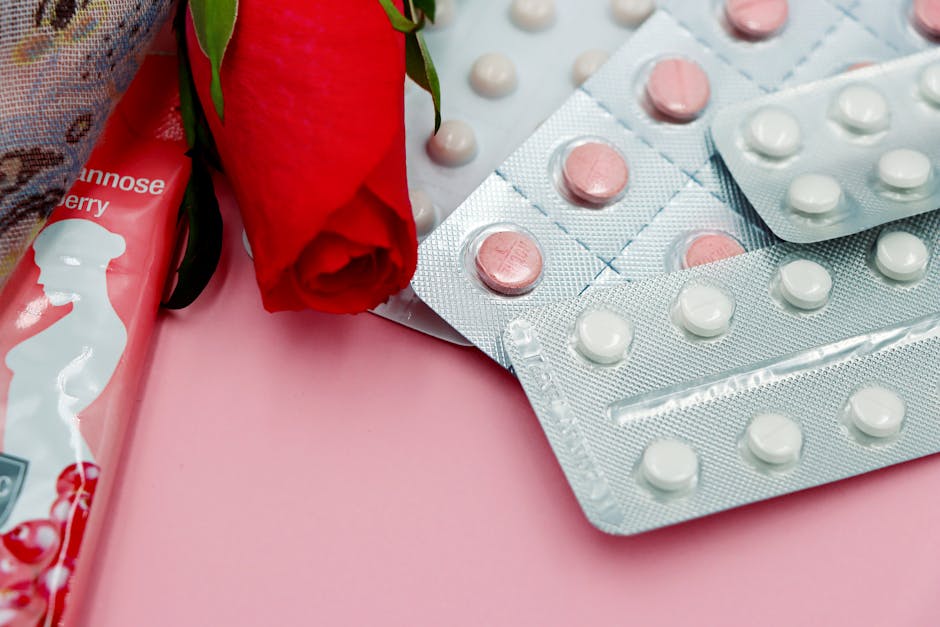
In this article, we’ll explore: Hormonal mechanisms of womens risk in the face of traumatic stress and why it matters today.
Related:
👉 Unpacking the Invisible Links: How Hormones Shape Women's Vulnerability to Traumatic Stress
👉 The Hidden Hormones: Unpacking Women's Unique Vulnerability to Traumatic Stress
👉 Unpacking the Invisible Links: How Hormones Shape Women's Vulnerability to Traumatic Stress
Learn more: Hormonal mechanisms of womens risk in the face of traumatic stress on Wikipedia
Ever wondered why, after a shared stressful experience, some people seem to bounce back quicker, while others grapple with its shadows for much longer? Or perhaps you’ve noticed that women, in general, seem to be diagnosed with anxiety disorders and PTSD at higher rates than men. It’s a complex puzzle, certainly not just about psychology or individual resilience. Dig a little deeper, and you’ll find an intricate biological dance happening beneath the surface, especially when it comes to women.
Today, we’re going to pull back the curtain on a fascinating and crucial aspect of this difference: the profound *hormonal mechanisms of women’s risk in the face of traumatic stress*. This isn’t about saying one gender is “stronger” or “weaker.” It’s about understanding the incredible, often overlooked, biological blueprint that shapes how women perceive, process, and recover from deeply distressing events. By shining a light on these internal workings, we can foster greater empathy, develop more effective support systems, and empower women with knowledge about their own bodies.
Imagine two people, Sarah and Mark, both involved in a severe car accident. Both experience the immediate shock, fear, and physical pain. But in the weeks and months that follow, their paths diverge. Mark might experience flashbacks and hyper-vigilance, but Sarah might find herself struggling with debilitating anxiety, intrusive thoughts that feel impossible to shake, and a pervasive sense of dread that impacts every aspect of her life, far more intensely than Mark. While many factors contribute to this, a significant, often invisible player is the unique hormonal landscape within Sarah’s body.
The Universal Stress Response: A Starting Point
Before we dive into the specifics of female hormones, let’s quickly recap the body’s universal stress response. When faced with a threat, real or perceived, your brain’s alarm system (the amygdala) goes off. This triggers the hypothalamic-pituitary-adrenal (HPA) axis, leading to a surge of stress hormones like cortisol and adrenaline. This is your “fight, flight, or freeze” response – a primal survival mechanism designed to get you out of danger. Your heart races, muscles tense, senses sharpen. It’s incredibly effective for immediate threats.
However, when this system gets stuck in “on” mode after a traumatic event, it can lead to chronic stress, anxiety, and post-traumatic stress disorder (PTSD). While the basic blueprint of this response is shared, the *tune* it plays, and how long it resonates, can vary significantly between men and women, largely due to hormones.
Beyond the Basics: How Hormones Reshape the Trauma Landscape for Women
For women, hormones aren’t just about reproduction. They are powerful chemical messengers that influence mood, cognition, memory, and, crucially, how the brain and body respond to stress and trauma. Let’s meet some of the key players:
Estrogen: The Multi-Faceted Hormone
Estrogen is often seen as the quintessential “female” hormone, and its role in the stress response is incredibly complex – a true double-edged sword.
* **The Protective Side?** Estrogen has neuroprotective qualities. It can enhance brain plasticity, which might help with learning and memory formation. In some contexts, adequate estrogen levels might help women cope with stress by enhancing resilience. For example, during phases of the menstrual cycle when estrogen is higher, some women report feeling more emotionally stable.
* **The Sensitizing Side?** Here’s where it gets tricky. Estrogen can also increase the activity of the amygdala, the brain’s fear center. This means it might amplify fear responses and make women more sensitive to stress cues. It also interacts with neurotransmitters like serotonin and GABA in ways that can sometimes heighten emotional reactivity. Think of it this way: Sarah, after her car accident, might find her brain’s fear circuits are already primed by estrogen to register threats more intensely, making every loud noise or sudden movement a potential trigger for a vivid re-experience of the crash. This enhanced memory for emotional details, while useful in some contexts, can be detrimental in the face of trauma.
Progesterone and Allopregnanolone: The Calming (and Sometimes Missing) Force
Progesterone is another vital female hormone, and it has a powerful, often calming, effect on the brain. It’s a precursor to a neurosteroid called allopregnanolone, which acts like a natural tranquilizer in the brain, much like anti-anxiety medications (benzodiazepines) do.
* **The Soothing Effect:** Allopregnanolone helps to reduce anxiety, promote relaxation, and even aid in sleep. It’s a natural buffer against stress.
* **When It’s Lacking:** The problem arises when progesterone levels fluctuate or drop significantly. This leads to a decrease in allopregnanolone, leaving the brain without its natural calming agent. This is why many women experience heightened anxiety, irritability, and vulnerability to stress during the pre-menstrual phase (when progesterone drops) or, dramatically, after childbirth. If a traumatic event occurs during one of these low-progesterone periods, a woman’s natural defenses against anxiety and distress are significantly weakened, potentially increasing her risk for developing chronic trauma symptoms.
Cortisol: The Stress Hormone with a Gendered Twist
While cortisol is the universal stress hormone, its release and regulation can differ in women after trauma. Some research suggests that women might have a more prolonged or dysregulated cortisol response following traumatic events. This prolonged exposure can have detrimental effects on the brain, particularly on areas involved in memory and emotional regulation, potentially contributing to the persistence of PTSD symptoms.
Oxytocin: The “Tend and Befriend” Hormone… and Its Complexities
Often called the “love hormone,” oxytocin plays a significant role in social bonding and empathy. While men tend to lean into the “fight or flight” response, women are more likely to exhibit a “tend and befriend” response, mediated by oxytocin. This involves nurturing offspring and seeking social support.
* **Positive Coping:** This can be a very adaptive coping mechanism, as social support is crucial for trauma recovery.
* **Potential Pitfalls:** However, an over-reliance on external validation or difficulty setting boundaries in the aftermath of trauma, driven by a strong “tend and befriend” impulse, can sometimes lead to further emotional distress or even re-traumatization if the social support isn’t healthy or appropriate.
The Rhythmic Dance: How the Menstrual Cycle Influences Trauma Vulnerability
The monthly ebb and flow of estrogen and progesterone throughout the menstrual cycle create distinct windows of vulnerability or resilience to stress and trauma.
* **Follicular Phase (Higher Estrogen):** Generally, women might feel more emotionally stable and resilient during this phase. However, as mentioned, higher estrogen can also enhance fear memory, meaning traumatic events experienced during this time might be encoded with vivid detail.
* **Luteal Phase (Higher Progesterone, then a Sharp Drop):** This is often a period of increased vulnerability. As progesterone peaks and then rapidly declines just before menstruation, the protective effect of allopregnanolone diminishes. Many women report increased anxiety, irritability, and emotional sensitivity during this phase. If a traumatic event occurs, or if trauma symptoms are already present, they can be significantly exacerbated. Imagine Sarah, struggling with flashbacks from her accident, finding them intensify dramatically in the week leading up to her period.
Life’s Chapters: Hormonal Shifts and Trauma Risk
Beyond the monthly cycle, major life stages bring profound hormonal shifts that can significantly impact a woman’s susceptibility to traumatic stress.
Puberty
The onset of puberty marks a surge in sex hormones, including estrogen. This period of rapid brain development coupled with new hormonal influences can be a time of increased emotional volatility and vulnerability to stress, potentially laying groundwork for future trauma responses.
Pregnancy & Postpartum
Pregnancy is a symphony of hormonal changes, designed to support life. But the postpartum period brings a dramatic, sudden drop in both estrogen and progesterone – arguably the most drastic hormonal shift a woman experiences outside of menopause. This sudden plunge can leave new mothers highly susceptible to anxiety, depression, and even PTSD, particularly if they experienced a traumatic birth. The biological foundation for postpartum depression and anxiety is firmly rooted in these hormonal shifts, making the *hormonal mechanisms of women’s risk in the face of traumatic stress* particularly evident here.
Perimenopause & Menopause
As women approach and enter menopause, estrogen levels fluctuate erratically before declining significantly. This period can bring a host of symptoms, including hot flashes, sleep disturbances, and, notably, increased anxiety and mood swings. For women with a history of trauma, the hormonal instability of perimenopause can sometimes trigger a re-emergence or worsening of past trauma symptoms, as the brain’s ability to regulate mood and stress is compromised.
Why This Understanding Matters: Towards Better Support and Healing
Understanding these intricate hormonal mechanisms isn’t about labeling women as “weaker” or more prone to trauma. It’s about acknowledging a fundamental biological reality that shapes their experience. This knowledge is incredibly powerful because it:
* **Validates Women’s Experiences:** It provides a scientific basis for why women might feel certain ways after trauma, moving beyond purely psychological explanations. It’s not “all in their head”; it’s in their hormones, too.
* **Informs Better Treatment:** Healthcare providers, therapists, and support networks can use this information to tailor interventions. A trauma-informed approach for women might consider their menstrual cycle phase, hormonal status (e.g., postpartum, menopausal), and potentially even explore hormonal support as part of a holistic treatment plan, where appropriate.
* **Empowers Women:** Knowing how your body works empowers you to advocate for yourself, understand your own responses, and seek specific types of support. Tracking your cycle, understanding hormonal fluctuations, and discussing these with your doctor can be crucial steps in managing trauma symptoms.
* **Fosters Empathy:** For partners, family, and friends, this understanding can cultivate deeper empathy and patience, recognizing that a woman’s journey with trauma is uniquely influenced by her biology.
The journey through trauma is deeply personal, but for women, it’s also profoundly biological. By recognizing the powerful interplay of hormones and traumatic stress, we open doors to more compassionate, effective, and personalized paths to healing.
Key Takeaways
* Women are diagnosed with anxiety and PTSD at higher rates than men, partly due to unique biological factors.
* The *hormonal mechanisms of women’s risk in the face of traumatic stress* play a crucial role in how women perceive, process, and recover from traumatic events.
* **Estrogen** can be both protective and sensitizing, influencing fear responses and memory consolidation.
* **Progesterone** (and its derivative allopregnanolone) acts as a natural calming agent, and its fluctuations can significantly impact anxiety levels.
* **Cortisol** responses after trauma may be more dysregulated in women, affecting long-term recovery.
* **Oxytocin** drives the “tend and befriend” response, which can be both a strength and a potential vulnerability.
* The **menstrual cycle**, **pregnancy**, **postpartum period**, and **menopause** all represent significant hormonal shifts that can increase a woman’s vulnerability to trauma symptoms.
* Understanding these hormonal influences is vital for validating women’s experiences, guiding trauma-informed care, and empowering women in their healing journeys.
FAQ Section
Q: Does this mean women are inherently more fragile when it comes to trauma?
A: Absolutely not. It means women’s biological pathways for responding to stress and trauma are different, leading to unique challenges and strengths. It’s about difference, not deficiency. Women often exhibit incredible resilience, but their recovery journey may require different considerations.
Q: What can women do to support themselves given these hormonal influences?
A: Several strategies can help:
- **Track your cycle:** Understanding your own hormonal patterns can help you anticipate periods of increased vulnerability.
- **Prioritize self-care:** Especially during vulnerable phases (e.g., pre-menstrual, postpartum), focus on sleep, nutrition, and stress reduction techniques.
- **Seek trauma-informed therapy:** Therapists who understand the physiological and hormonal aspects of trauma can provide more tailored support.
- **Discuss hormonal health with your doctor:** If you suspect hormonal imbalances are impacting your trauma recovery, talk to your healthcare provider about potential solutions.
- **Build a strong support system:** Leverage the “tend and befriend” response in a healthy way by connecting with trusted friends, family, or support groups.
Q: How can healthcare providers use this information?
A: Providers can:
- **Assess hormonal status:** Consider a woman’s menstrual cycle phase, pregnancy status, or menopausal stage when evaluating trauma symptoms and treatment options.
- **Offer tailored interventions:** Suggest therapies that account for physiological regulation and emotional fluctuations.
- **Educate patients:** Empower women by explaining the biological underpinnings of their experiences.
- **Collaborate:** Work with endocrinologists or gynecologists if hormonal interventions are deemed appropriate.
Q: Are there specific therapies that might be more effective for women based on this understanding?
A: Therapies that integrate body-based techniques, such as Somatic Experiencing, Trauma-Sensitive Yoga, or Eye Movement Desensitization and Reprocessing (EMDR), can be highly beneficial as they address the physiological imprint of trauma. Additionally, therapies that help regulate the nervous system and build emotional resilience, alongside traditional talk therapy, can be very effective. Considering a woman’s hormonal context can help therapists time interventions more effectively and understand potential fluctuations in symptom severity.
Written with love and assistance and refined for quality.
{“@context”:”https://schema.org”,”@type”:”Article”,”headline”:”Why Women Experience Trauma Differently: Unpacking the Hormonal Mechanisms of Their Risk in the Face of Traumatic Stress”,”description”:”In this article, weu2019ll explore: Hormonal mechanisms of womens risk in the face of traumatic stress and why it matters…”,”author”:{“@type”:”Person”,”name”:”rahuljait”},”datePublished”:”2026-05-13T23:37:28+00:00″,”dateModified”:”2026-05-13T23:37:28+00:00″,”mainEntityOfPage”:”https://healthyworldz.com/why-women-experience-trauma-differently-unpacking-the-hormonal-mechanisms-of-their-risk-in-the-face-of-traumatic-stress/”,”image”:[“https://healthyworldz.com/wp-content/uploads/2026/05/hormonal-mechanisms-of-womens-risk-in-the-face-of-traumatic-stress-94.jpg”]}
🔗 Related: Hormonal mechanisms of womens risk in…
🔗 Related: Hormonal mechanisms of womens risk in…
🔗 Related: Hormonal mechanisms of womens risk in…